
The landscape of workplace mental health has shifted dramatically over the past decade. Organizations now recognize that supporting employee psychological wellbeing is not simply a compassionate gesture but a strategic imperative that directly impacts productivity, retention, and organizational resilience. Corporate mental wellness programs have emerged as essential infrastructure for modern businesses, yet many organizations struggle to design and implement initiatives that deliver measurable results while genuinely supporting their workforce.
Understanding the Foundation of Effective Programs
Corporate mental wellness programs represent structured organizational initiatives designed to promote psychological health, prevent mental health challenges, and provide support when employees face difficulties. These programs encompass a broad spectrum of interventions, from stress management training and resilience building to crisis response protocols and ongoing psychological support services.
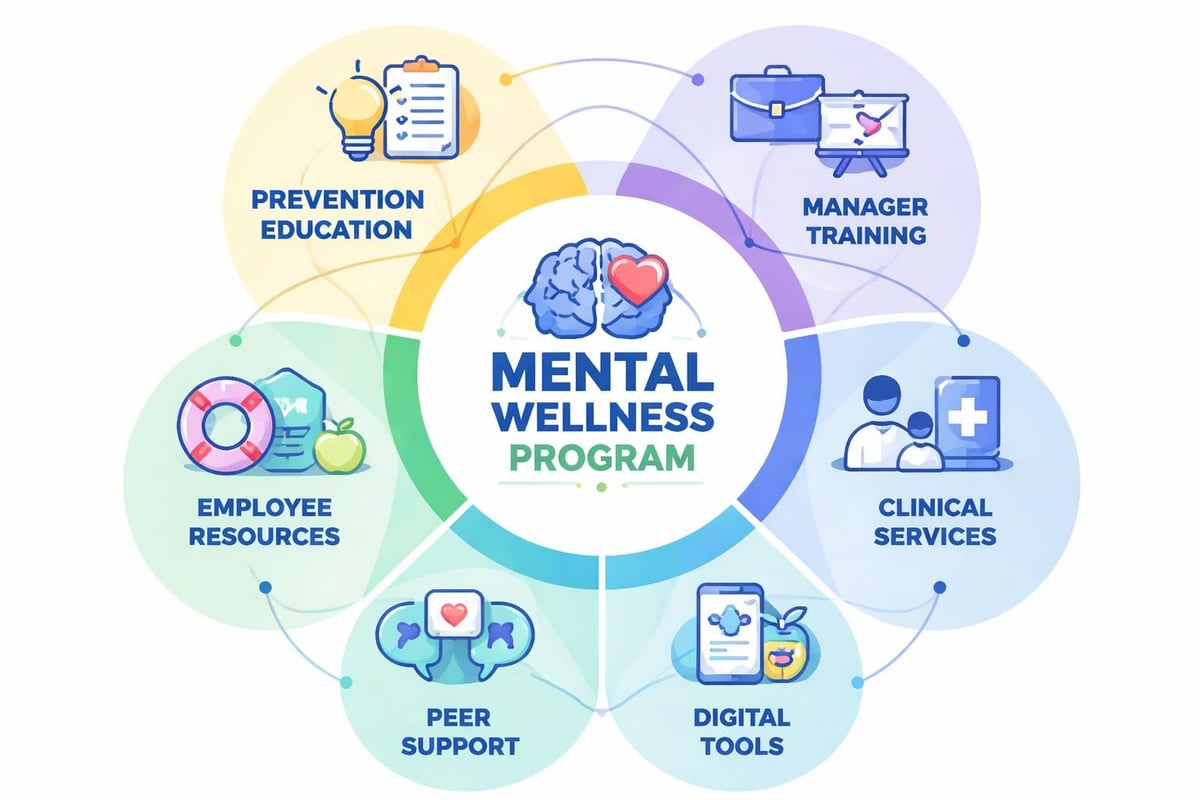
The most effective programs operate on multiple levels simultaneously. They address individual employee needs through direct support services, equip managers with skills to recognize and respond to mental health concerns, and implement systemic changes that create psychologically safer work environments. This multi-tiered approach acknowledges that workplace mental health emerges from the complex interaction between individual factors, interpersonal dynamics, and organizational culture.
The Evidence Supporting Strategic Investment
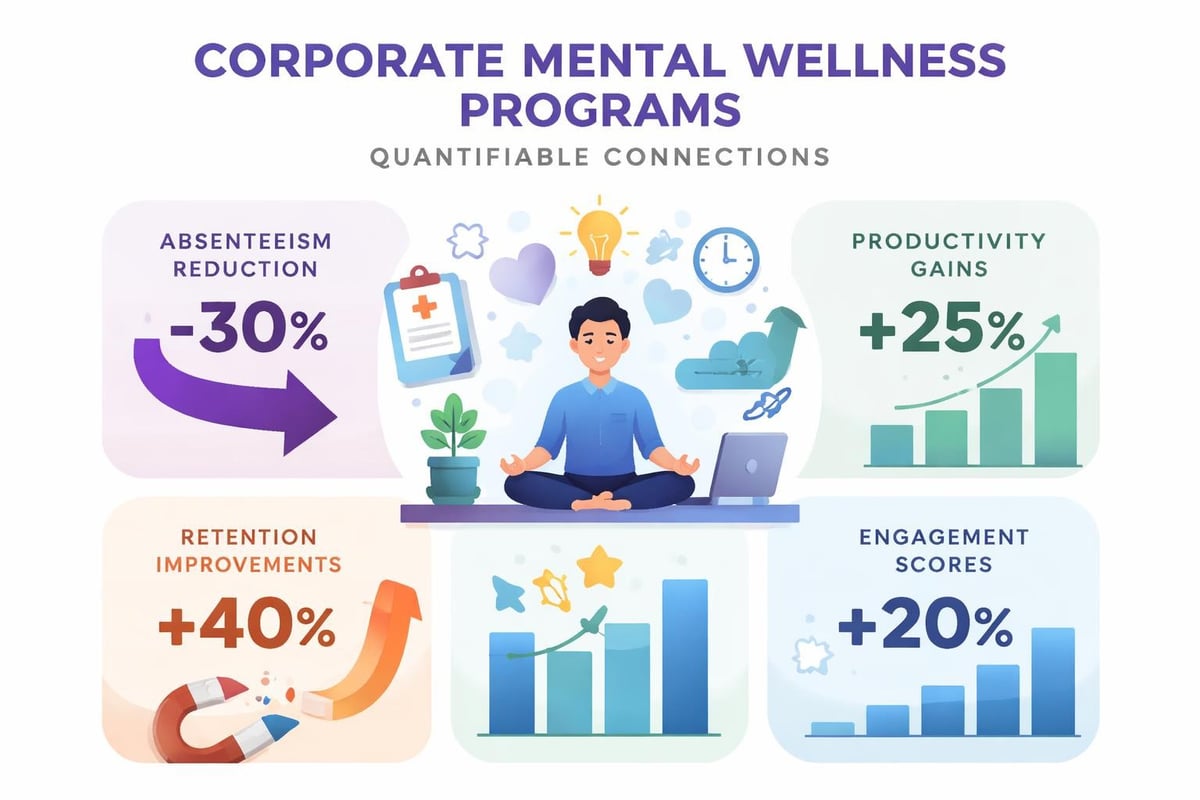
Research consistently demonstrates that well-designed corporate mental wellness programs generate substantial returns on investment. Organizations implementing comprehensive programs report reductions in absenteeism ranging from 25% to 40%, alongside significant decreases in presenteeism where employees attend work but function below optimal capacity. Beyond these measurable outcomes, effective mental health programs for corporate settings contribute to improved employee engagement, enhanced team cohesion, and stronger organizational culture.
The financial case extends beyond cost savings. Organizations known for prioritizing mental health attract higher-quality talent and experience improved retention rates, particularly among high-performing employees. In competitive labor markets, robust mental health support has become a differentiating factor that influences employment decisions across all career stages.
Core Components of Comprehensive Programs
The architecture of successful corporate mental wellness programs shares common elements, though implementation varies based on organizational size, industry, and workforce characteristics. Understanding these foundational components enables organizations to build programs aligned with their specific context while maintaining evidence-based best practices.
Accessible Mental Health Resources
Employees require straightforward access to support services when facing mental health challenges. This accessibility encompasses multiple dimensions: awareness of available resources, ease of navigation, confidentiality protections, and removal of financial barriers. Organizations achieve accessibility through various mechanisms, including employee assistance programs, telehealth services, and partnerships with mental health providers.
The mental health resources for employees should address diverse needs across the mental health spectrum, from preventive education to crisis intervention. Many organizations now offer tiered support systems that provide different levels of assistance based on employee needs, ensuring that resources match the severity and nature of challenges employees face.
Key accessibility features include:
- 24/7 availability of crisis support services
- Multiple access points including phone, video, and digital platforms
- Culturally competent providers who understand diverse employee backgrounds
- Clear communication about confidentiality protections and privacy safeguards
- Integration with existing healthcare benefits to minimize cost barriers
Manager Training and Capability Development
Frontline managers serve as critical gatekeepers in workplace mental health. They occupy a unique position to notice early warning signs, initiate supportive conversations, and connect employees with appropriate resources. However, most managers lack formal training in recognizing mental health concerns or responding effectively when employees disclose struggles.
Comprehensive manager training programs equip leaders with practical skills rather than transforming them into mental health professionals. Effective training covers recognition of common mental health indicators, conversation frameworks for discussing mental health concerns, appropriate boundaries and referral processes, and strategies for supporting employees returning from mental health-related leave.
Organizations investing in manager capability development report higher rates of early intervention, improved employee perceptions of organizational support, and greater manager confidence in handling sensitive situations. The Workplace Mental Health Institute specializes in delivering practical, skill-focused training that empowers managers to have meaningful impact without overstepping their role.
| Training Component | Manager Capability Developed | Organizational Outcome |
|---|---|---|
| Recognition Skills | Early identification of mental health indicators | Reduced crisis incidents, earlier support access |
| Conversation Frameworks | Confident, empathetic discussions about wellbeing | Increased disclosure rates, stronger trust |
| Boundary Understanding | Appropriate support vs. professional referral | Proper resource utilization, protected confidentiality |
| Return-to-Work Planning | Graduated reintegration strategies | Successful transitions, reduced re-occurrence |
Prevention-Focused Education
Prevention represents the most cost-effective and impactful element of corporate mental wellness programs. Educational initiatives that build mental health literacy, develop coping skills, and normalize help-seeking behavior create protective factors across the entire workforce. Unlike reactive support services that assist employees already experiencing difficulties, prevention programs strengthen psychological resilience before challenges emerge.
Effective prevention education covers stress management techniques, work-life integration strategies, sleep hygiene, mindfulness practices, and recognizing personal mental health patterns. Organizations achieve greatest impact when they deliver prevention content through multiple formats including workshops, digital learning modules, lunch-and-learn sessions, and peer-led discussions.
Implementation Strategies for Sustainable Impact
Moving from program design to successful implementation requires careful attention to organizational readiness, stakeholder engagement, and change management principles. The implementation of corporate mental wellness programs involves sequential phases that build momentum and demonstrate value.
Assessment and Strategic Planning
Organizations beginning their mental health journey benefit from conducting comprehensive workplace wellbeing assessments that identify current strengths, gaps, and priorities. These assessments combine quantitative data including absenteeism rates, turnover statistics, and utilization of existing resources with qualitative insights gathered through employee surveys, focus groups, and manager interviews.
Assessment findings inform strategic planning that establishes clear objectives, identifies target populations, allocates resources, and defines success metrics. Effective strategic plans balance ambition with realism, acknowledging that cultural transformation occurs gradually while identifying opportunities for early wins that build organizational confidence.
- Conduct baseline measurement of current mental health indicators and existing support utilization
- Engage stakeholders across organizational levels to understand diverse perspectives and needs
- Define specific objectives with measurable targets aligned to business outcomes
- Allocate appropriate resources including budget, personnel, and leadership attention
- Establish governance structures that ensure ongoing program oversight and refinement
Communication and Cultural Messaging
How organizations communicate about mental health fundamentally shapes employee perceptions and willingness to engage with available resources. Effective communication strategies normalize mental health conversations, reduce stigma, and position wellbeing as an organizational priority rather than individual weakness.
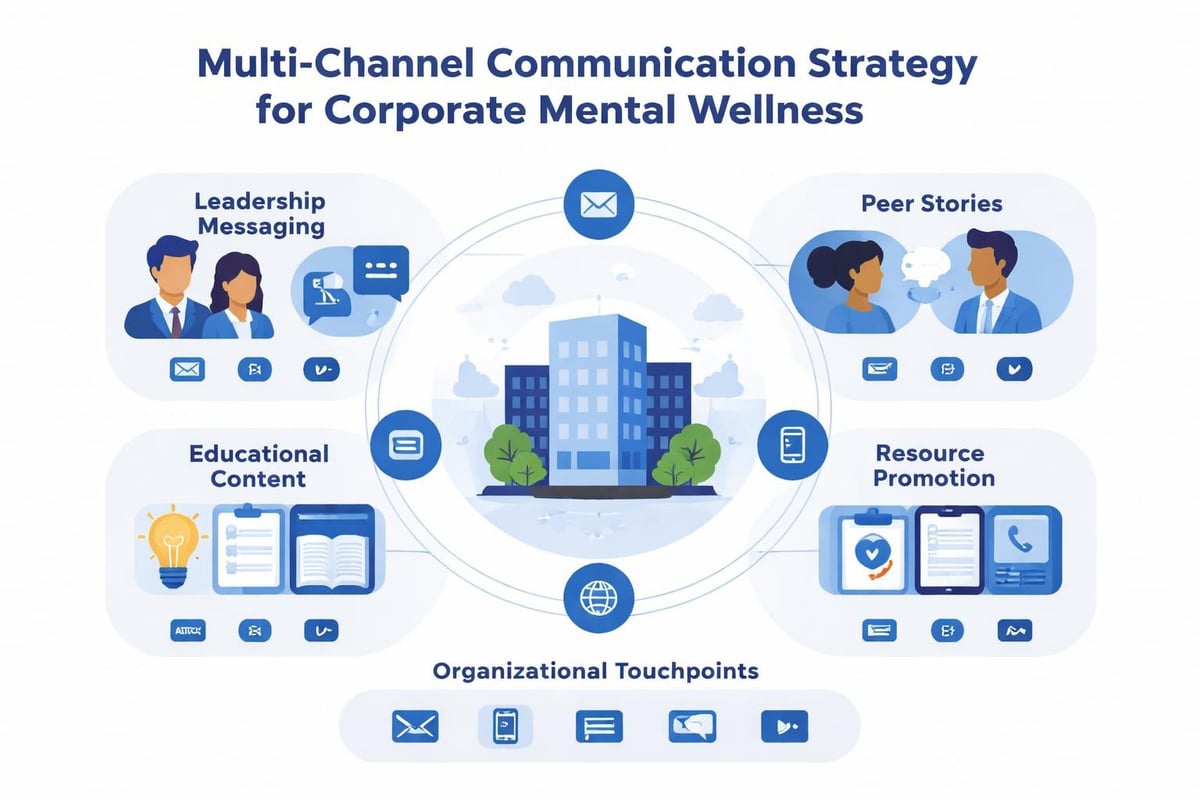 Leadership visibility proves particularly influential. When senior leaders share personal experiences with stress management, discuss their own wellbeing practices, or openly acknowledge mental health as a legitimate concern, they grant permission for employees at all levels to prioritize their psychological health. This top-down modeling accelerates cultural shifts that might otherwise require years to achieve.
Effective communication approaches include:
- Regular leadership messages emphasizing mental health as an organizational value
- Employee testimonials demonstrating positive experiences with support resources
- Consistent visual reminders of available services throughout physical and digital workspaces
- Integration of mental health content into existing communication channels rather than separate streams
- Celebration of Mental Health Awareness Month and similar observances with substantive programming
Measurement and Continuous Improvement
Corporate mental wellness programs require ongoing evaluation to assess effectiveness, identify improvement opportunities, and demonstrate return on investment to organizational decision-makers. Measurement frameworks should capture both process metrics that track program utilization and outcome metrics that reflect impact on employee wellbeing and business performance.
Organizations achieve greatest insight by combining multiple data sources. Utilization data reveals which services employees access most frequently, engagement surveys measure cultural shifts and perceived organizational support, health insurance claims identify patterns in mental health service usage, and performance metrics including absenteeism and productivity provide objective outcome indicators.
| Metric Category | Specific Measures | Collection Method |
|---|---|---|
| Utilization | EAP access rates, training participation, resource downloads | Program tracking systems |
| Perception | Psychological safety scores, manager support ratings | Annual engagement surveys |
| Health Outcomes | Mental health-related claims, self-reported wellbeing | Insurance data, pulse surveys |
| Business Impact | Absenteeism rates, turnover statistics, productivity measures | HR information systems |
Australian organizations seeking specialized support can access tailored resources through WMHI Australia, which provides region-specific guidance aligned with local workplace regulations and cultural contexts.
Advanced Program Elements
Organizations with established foundational programs often expand their offerings to address specialized needs and emerging challenges. These advanced elements demonstrate organizational maturity in mental health support while addressing gaps that basic programs may overlook.
Trauma-Informed Approaches
Trauma-informed care training equips employees and managers to recognize how traumatic experiences influence workplace behavior and performance. This approach acknowledges that many employees have experienced personal trauma that may be triggered by workplace situations, and organizational practices can either exacerbate or mitigate these impacts.
Trauma-informed organizations modify policies, communication practices, and management approaches to create environments that support healing rather than re-traumatization. This includes providing advance notice of potentially triggering content, offering flexibility in work arrangements when employees experience trauma responses, and training managers to respond compassionately when employees disclose trauma histories.
Peer Support Networks
Structured peer support programs harness the power of employee relationships to extend mental health support beyond professional services. Trained peer supporters offer empathetic listening, share coping strategies, and help colleagues navigate available resources without providing clinical intervention or advice beyond their training scope.
Peer support programs prove particularly effective in organizations where employees may hesitate to access formal services due to stigma concerns or cultural factors. The relatability and accessibility of peer supporters often facilitates earlier help-seeking and creates organic mental health conversations within teams.
Digital Mental Health Tools
Technology-enabled solutions expand the reach and accessibility of corporate mental wellness programs while providing data insights that inform program refinement. Digital offerings range from meditation apps and cognitive behavioral therapy platforms to AI-powered chatbots that provide immediate support during non-business hours.
Organizations implementing digital solutions should ensure these tools complement rather than replace human support services. The most effective approaches integrate digital resources within broader programs that maintain personal connection and professional expertise for employees facing significant mental health challenges.
 For organizations seeking to develop digital learning pathways, WMHI Online offers comprehensive courses that combine flexibility with evidence-based content, enabling employees to build mental health knowledge at their own pace.
Addressing Common Implementation Challenges
Even well-designed corporate mental wellness programs encounter obstacles during implementation. Anticipating these challenges and developing proactive strategies increases the likelihood of sustained program success and meaningful cultural change.
Overcoming Stigma and Encouraging Utilization
Stigma remains the most significant barrier preventing employees from accessing mental health support. Despite growing awareness and increasingly progressive attitudes, many employees fear professional repercussions, judgment from colleagues, or being perceived as unable to handle workplace demands if they acknowledge mental health struggles.
Organizations combat stigma through sustained, multi-faceted efforts rather than single interventions. This includes ensuring absolute confidentiality in support services, separating program administration from performance management systems, celebrating employees who share recovery stories, and holding leaders accountable for creating psychologically safe team environments.
Best practices for incorporating mental health support emphasize the importance of normalizing mental health as a universal aspect of human experience rather than framing it as a problem affecting only certain employees. This reframing encourages broader engagement while reducing the perception that accessing support signals weakness or failure.
Securing Sustained Leadership Commitment
Initial leadership enthusiasm for corporate mental wellness programs sometimes wanes as competing priorities emerge or when programs fail to demonstrate immediate, dramatic results. Maintaining executive commitment requires ongoing education about mental health’s business impact, regular reporting of program outcomes, and strategic positioning of wellbeing initiatives within broader organizational objectives.
Program champions should articulate clear connections between mental health support and organizational priorities including talent acquisition, retention of high performers, innovation capacity, and customer service quality. When leaders understand these linkages, they recognize mental wellness programs as strategic investments rather than optional benefits.
Ensuring Equitable Access and Inclusion
Corporate mental wellness programs risk inadvertently serving some employee populations better than others. Programs designed primarily for office-based professionals may overlook the needs of shift workers, frontline employees, or remote team members. Cultural differences in help-seeking behavior and mental health conceptualization may create barriers for employees from diverse backgrounds.
Organizations committed to equity conduct specific outreach to underserved populations, offer support services through multiple modalities and languages, and regularly analyze utilization data to identify disparities. Addressing these gaps requires intentional design choices and resource allocation rather than assuming that broadly available programs will reach all employees equally.
Equity considerations include:
- Scheduling training and educational sessions to accommodate various shift patterns
- Providing telehealth options for remote and geographically dispersed employees
- Ensuring mental health providers reflect the cultural diversity of the workforce
- Translating key resources into languages spoken by employees
- Adapting communication strategies to resonate across different demographic groups
Emerging Trends Shaping Program Evolution
The field of workplace mental health continues evolving rapidly as research expands understanding of effective interventions and societal attitudes toward mental health shift. Organizations developing corporate mental wellness programs benefit from awareness of emerging trends that may influence future program design.
Integration with Physical Health Initiatives
The artificial separation between mental and physical health is dissolving as organizations recognize their interconnection. Progressive programs now address mental health within holistic wellbeing frameworks that include physical fitness, nutrition, sleep, and social connection. This integration acknowledges that psychological distress often manifests through physical symptoms and that physical health challenges frequently impact mental wellbeing.
Integrated approaches also improve program efficiency by reducing duplication, presenting cohesive messaging about wellbeing, and enabling employees to address health holistically rather than compartmentalizing different aspects of their wellbeing.
Focus on Psychological Safety and Belonging
Beyond individual support services, organizations increasingly recognize that workplace culture itself significantly impacts mental health. Psychological safety, defined as the belief that one can speak up, take interpersonal risks, and show vulnerability without fear of negative consequences, has emerged as a critical cultural factor influencing both mental health and team performance.
Programs addressing psychological safety focus on team dynamics, leadership behaviors, and organizational systems that either foster or undermine employees’ sense of belonging and acceptance. This systemic approach complements individual support services by addressing root causes of workplace stress and psychological distress.
Proactive Mental Fitness Development
The mental health field is shifting from primarily reactive approaches that respond to problems toward proactive strategies that build psychological resilience and mental fitness. This preventive orientation emphasizes developing skills that enhance wellbeing and performance rather than solely addressing difficulties when they arise.
Mental fitness programming teaches employees practical techniques for managing stress, regulating emotions, maintaining perspective during challenges, and recovering from setbacks. These capabilities serve employees throughout their careers and personal lives, creating lasting value beyond immediate workplace applications.
Corporate mental wellness programs have evolved from optional perks to strategic necessities that directly influence organizational performance and employee wellbeing. By implementing comprehensive programs that combine accessible resources, manager capability development, prevention education, and ongoing measurement, organizations create workplaces where psychological health is protected and promoted. Workplace Mental Health Institute provides the expertise, training programs, and strategic consultation services needed to design and implement evidence-based mental health initiatives tailored to your organization’s unique context and objectives, helping you build a mentally healthy workplace that supports both people and performance.

