
Organizational performance increasingly depends on the capacity of employees and teams to navigate uncertainty, adapt to change, and maintain productivity under pressure. Building resilience in the workplace has evolved from a desirable wellness initiative to a strategic imperative that directly impacts retention, engagement, and competitive advantage. This comprehensive guide examines evidence-based approaches for developing resilient workforces, drawing on psychological principles and practical implementation strategies that deliver measurable outcomes.
Understanding Workplace Resilience as a Strategic Asset
Resilience represents more than the ability to bounce back from adversity. In organizational contexts, it encompasses the psychological flexibility to adapt to changing circumstances, the emotional regulation to maintain performance during stress, and the cognitive capacity to learn from challenges. Unlike fixed personality traits, resilience functions as a set of developable skills that organizations can systematically strengthen through targeted interventions.
The Business Case for Resilience Investment
Research demonstrates that resilient organizations experience lower absenteeism rates, reduced turnover costs, and higher employee engagement scores. When building resilience in the workplace becomes a strategic priority, businesses create protective factors that buffer against the inevitable disruptions of modern commerce.
Key organizational benefits include:
- Enhanced productivity during periods of change or uncertainty
- Reduced healthcare costs associated with stress-related conditions
- Improved decision-making under pressure
- Stronger team cohesion and collaborative capacity
- Higher innovation rates through psychological safety
The return on investment extends beyond immediate performance metrics. Organizations that prioritize resilience development build sustainable competitive advantages through workforce stability and adaptive capacity.

Individual Resilience Competencies
Building resilience in the workplace begins with understanding the specific competencies that enable individuals to thrive under pressure. These skills form the foundation of organizational resilience capacity.
Self-Awareness and Emotional Regulation
Self-awareness enables employees to recognize stress responses before they escalate into dysfunction. This metacognitive capacity allows individuals to identify triggers, monitor emotional states, and implement coping strategies proactively. Organizations can develop this competency through structured training that teaches employees to:
- Identify personal stress indicators and early warning signs
- Distinguish between productive and unproductive worry
- Apply evidence-based emotional regulation techniques
- Recognize cognitive distortions that amplify stress
Emotional regulation skills translate directly into workplace performance. Employees who manage emotions effectively maintain clearer judgment, communicate more constructively, and recover more quickly from setbacks.
Cognitive Flexibility and Adaptive Thinking
Rigid thinking patterns amplify workplace stress and limit problem-solving capacity. Cognitive flexibility allows employees to reframe challenges, consider multiple perspectives, and generate creative solutions under pressure. Training programs that develop this competency focus on:
- Perspective-taking exercises that challenge automatic assumptions
- Scenario planning that prepares employees for multiple outcomes
- Growth mindset development that reframes failures as learning opportunities
- Solution-focused approaches that emphasize actionable next steps
The strategies organizations implement to build cognitive flexibility directly impact how teams respond to unexpected challenges and organizational change.
Leadership's Critical Role in Resilience Development
Leaders function as resilience architects within their organizations. Their behaviors, communication patterns, and policy decisions create the environmental conditions that either support or undermine employee resilience.
Creating Psychologically Safe Environments
Psychological safety represents the belief that employees can take interpersonal risks without facing punishment or humiliation. This foundational condition enables the vulnerability required for genuine resilience development. Leaders cultivate psychological safety by:
- Modeling fallibility through transparent acknowledgment of mistakes
- Responding constructively to employee concerns and challenges
- Encouraging experimentation without punishing well-intentioned failures
- Actively soliciting diverse perspectives and dissenting opinions
When employees trust that they can discuss struggles without career consequences, they access support earlier and develop stronger coping mechanisms.
Trauma-Informed Leadership Practices
Trauma-informed approaches recognize that many employees carry experiences that affect their stress responses and coping capacity. Leaders trained in these principles understand how to create supportive environments that acknowledge this reality without requiring disclosure or creating stigma.
| Traditional Leadership | Trauma-Informed Leadership |
|---|---|
| Assumes consistent capacity | Recognizes variable capacity |
| Focuses on accountability | Balances accountability with support |
| Addresses behavior only | Considers context and underlying factors |
| Uses power hierarchically | Shares power and builds collaboration |
These practices particularly matter during organizational transitions, restructures, or crises when stress levels naturally elevate across the workforce.
Team-Level Resilience Strategies
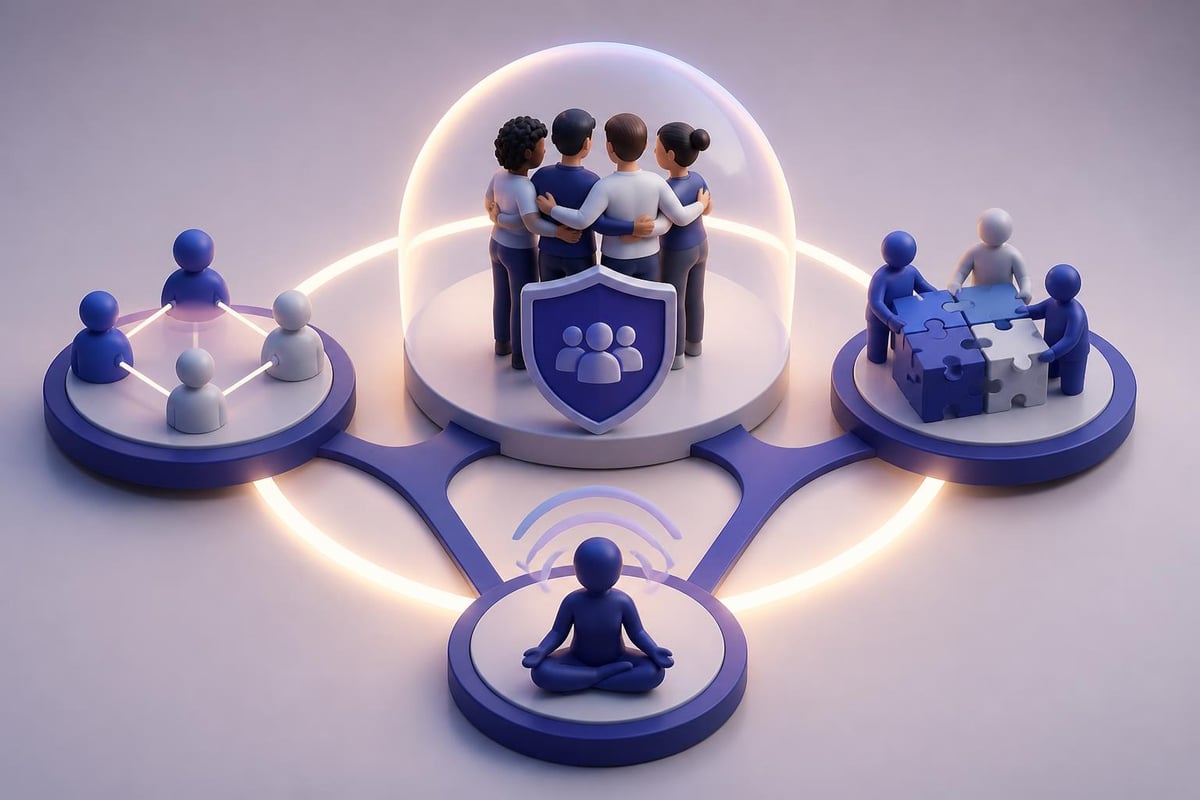
Individual resilience develops most effectively within supportive team contexts. Building resilience in the workplace requires deliberate attention to group dynamics and collective coping mechanisms.
Developing Collective Efficacy
Collective efficacy refers to a team's shared belief in its capacity to accomplish challenging tasks. Teams with high collective efficacy demonstrate greater persistence, creativity, and stress tolerance. Organizations strengthen this through:
- Celebrating team accomplishments and progress milestones
- Providing resources and removing obstacles to success
- Ensuring appropriate task-skill alignment
- Creating opportunities for mastery experiences
Teams that experience success together develop confidence that transfers to subsequent challenges, creating upward spirals of resilience and performance.
Building Peer Support Networks
Formal and informal peer support systems provide critical buffering during stressful periods. These networks function most effectively when organizations:
- Structure regular connection opportunities beyond task-focused meetings
- Train employees in supportive communication skills
- Normalize help-seeking through leadership modeling
- Create diverse support channels that accommodate different preferences
Peer support complements rather than replaces professional mental health resources. The approaches that foster resilience recognize the unique value of colleague understanding and shared experience.
Organizational Systems and Policies
Sustainable resilience requires alignment between individual development efforts and organizational systems. Policies, procedures, and cultural norms either reinforce or undermine resilience training outcomes.
Work Design and Autonomy
Job design fundamentally influences employee resilience capacity. Roles that provide appropriate autonomy, task variety, and meaningful impact naturally develop resilience skills. Organizations can optimize work design by:
- Ensuring role clarity while maintaining flexibility in execution
- Providing decision-making authority matched to responsibility
- Designing tasks that utilize diverse skills and abilities
- Connecting work to broader organizational purpose
When employees experience control over their work processes, they develop agency and problem-solving confidence that transfers across contexts.
Recovery and Restoration Opportunities
Resilience depends equally on stress exposure and recovery opportunities. Organizations that demand sustained high performance without adequate restoration periods deplete rather than build resilience. Effective recovery systems include:
| Recovery Mechanism | Implementation Strategy | Expected Outcome |
|---|---|---|
| Workload management | Realistic capacity planning | Sustainable performance |
| Flexible scheduling | Core hours with flexibility | Improved work-life integration |
| Mandatory time off | Enforced vacation policies | Reduced burnout risk |
| Micro-breaks | Encouraged brief recovery periods | Maintained focus and energy |
These structural supports enable employees to apply resilience skills effectively rather than operating in constant depletion.
Measuring and Sustaining Resilience Initiatives
Building resilience in the workplace requires ongoing assessment and refinement based on measurable outcomes. Organizations that treat resilience as a strategic initiative track relevant metrics and adjust approaches accordingly.
Key Performance Indicators
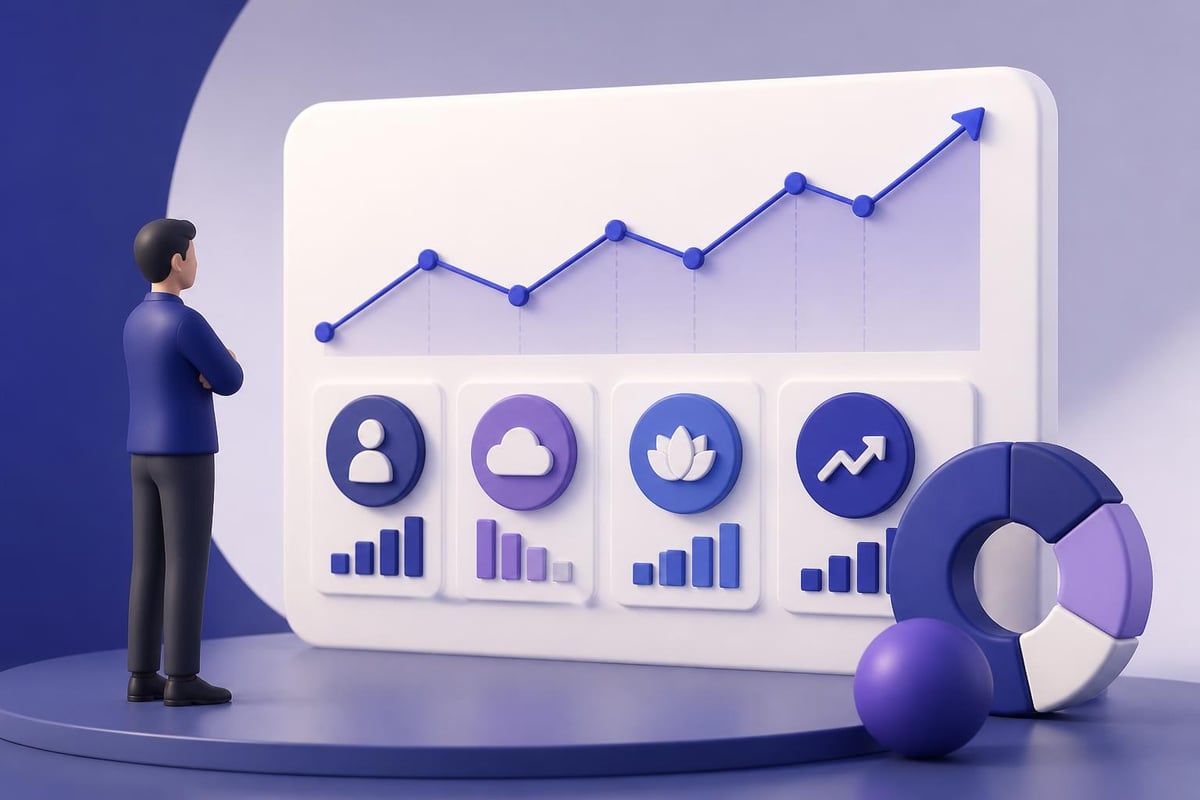
Effective resilience measurement combines subjective wellbeing indicators with objective performance metrics:
- Employee engagement scores reflecting energy and commitment
- Absenteeism rates indicating stress-related absence
- Turnover patterns particularly among high performers
- Help-seeking behaviors showing appropriate resource utilization
- Performance stability during challenging periods
These metrics provide insight into program effectiveness and identify areas requiring additional support or intervention.
Continuous Improvement Cycles
Resilience programs achieve maximum impact through iterative refinement based on feedback and outcomes data. Organizations should:
- Conduct baseline assessments before implementing new initiatives
- Gather regular feedback from participants and stakeholders
- Analyze utilization patterns of resilience resources and support
- Adjust programming based on demonstrated needs and preferences
- Communicate results transparently to build program credibility
This systematic approach ensures that resilience initiatives remain responsive to evolving organizational needs and employee experiences.
Training and Development Approaches
Effective resilience training translates psychological principles into practical workplace applications. Programs achieve lasting impact when they emphasize skill development over information delivery and provide opportunities for applied practice.
Evidence-Based Training Components
Comprehensive resilience programs address multiple skill domains through varied learning methods:
- Cognitive restructuring techniques that challenge unhelpful thought patterns
- Stress management strategies including physiological regulation
- Communication skills for seeking and offering support
- Problem-solving frameworks applicable to workplace challenges
- Meaning-making processes that sustain motivation during difficulty
Training effectiveness increases when programs incorporate workplace scenarios, provide behavioral rehearsal opportunities, and support ongoing skill application through job aids and reinforcement.
Manager-Specific Development
Managers require specialized training that addresses their dual role as both resilience practitioners and resilience facilitators for their teams. Manager training through platforms like WMHI Online should specifically address:
- Recognizing early warning signs of employee distress
- Conducting supportive conversations about mental health concerns
- Adjusting management approaches for team members under stress
- Balancing performance expectations with wellbeing support
- Accessing appropriate resources and escalation pathways
When managers develop these competencies, they multiply resilience capacity throughout their teams and create cultures where building resilience in the workplace becomes normative rather than exceptional.
Integration with Broader Wellbeing Strategies
Resilience initiatives achieve maximum impact when integrated with comprehensive workplace wellbeing strategies rather than implemented as standalone programs. This systems approach recognizes that resilience interacts with physical health, social connection, financial security, and organizational culture.
Strategic Alignment
Organizations should align resilience programming with:
- Physical health initiatives that support energy and recovery capacity
- Social connection opportunities that strengthen support networks
- Professional development pathways that build confidence and competence
- Recognition programs that reinforce values and contributions
- Communication practices that build trust and transparency
This integrated approach, supported by resources from Workplace Mental Health Institute, ensures that resilience development occurs within a supportive ecosystem rather than in isolation. The organizational structures that promote resilience recognize these interconnections and design systems accordingly.
Cultural Embedding
Sustainable resilience requires cultural transformation rather than programmatic addition. Organizations embed resilience into culture by:
- Incorporating resilience competencies into selection and promotion criteria
- Recognizing and rewarding resilient behaviors and practices
- Allocating resources that signal organizational commitment
- Addressing systemic stressors rather than only individual coping
- Modeling resilient practices at executive and leadership levels
When resilience becomes "how we do things here" rather than "a program we run," organizations develop the adaptive capacity required for long-term success in uncertain environments.
Supporting Diverse Workforce Needs
Effective resilience programming recognizes that employees bring different experiences, strengths, and challenges to their work. Building resilience in the workplace requires approaches that accommodate this diversity while maintaining evidence-based core principles.
Customization and Accessibility
Organizations maximize participation and impact by offering:
- Multiple delivery formats including live training, digital resources, and self-paced learning
- Content relevant to different roles and organizational levels
- Flexible scheduling that accommodates various work arrangements
- Language and cultural adaptations for diverse workforces
- Accommodations for different learning styles and abilities
This inclusive approach ensures that resilience resources reach employees who might otherwise face barriers to participation.
Addressing Specific Stressor Patterns
Different workforce segments often face distinct stressor patterns requiring targeted interventions. For Australian organizations working with WMHI Australia, regional considerations might include industry-specific challenges, geographic isolation factors, or cultural contexts that shape stress experiences and coping preferences.
Tailored approaches demonstrate organizational understanding and increase program relevance, improving both participation rates and skill application.
Building resilient workforces requires systematic attention to individual competencies, supportive leadership, effective team dynamics, and organizational systems that reinforce rather than undermine wellbeing. Organizations that approach resilience as a strategic capability rather than individual responsibility create sustainable competitive advantages through workforce stability and adaptive capacity. Workplace Mental Health Institute provides evidence-based training, comprehensive workplace wellbeing assessments, and strategic consultation services designed to develop resilience capacity across all organizational levels, delivering practical skills that improve mental health outcomes and enhance overall workplace performance.

