
Understanding the benefit of mental health awareness has become essential for organizations committed to building sustainable, high-performing workplaces. As psychological wellbeing increasingly influences productivity, retention, and overall organizational health, leaders must recognize that awareness initiatives extend far beyond compliance requirements. When implemented strategically, mental health awareness creates ripple effects throughout every level of an organization, from individual contributors to executive leadership teams. This comprehensive examination explores how awareness-driven approaches transform workplace cultures, improve outcomes, and position organizations for long-term success.
Breaking Down Stigma Through Education
The most significant benefit of mental health awareness lies in its power to dismantle entrenched stigma that prevents employees from seeking help. Workplace cultures historically treated mental health concerns as personal weaknesses rather than legitimate health conditions requiring support and intervention.
Research demonstrates that stigma reduction through awareness initiatives directly correlates with increased help-seeking behaviors. When organizations prioritize education about mental health conditions, employees develop vocabulary to discuss their experiences without shame. This linguistic shift enables earlier disclosure, faster intervention, and better outcomes across all organizational levels.
Creating Safe Disclosure Environments
Managers who understand mental health through structured awareness programs create environments where employees feel secure discussing challenges. This psychological safety translates into practical outcomes including reduced presenteeism and more accurate assessment of team capacity.
Key elements that enable safe disclosure include:
- Consistent messaging from leadership about mental health priorities
- Visible role modeling when senior leaders share their own experiences
- Clear pathways to support resources without career penalties
- Regular check-ins that normalize wellbeing conversations
- Confidential processes that protect employee privacy
When stigma decreases, organizations gain accurate insights into workforce mental health needs rather than relying on assumption or post-crisis intervention. This proactive stance fundamentally alters how organizations allocate resources and measure success.

Enhancing Early Intervention Capabilities
Another critical benefit of mental health awareness manifests through improved early intervention outcomes. Organizations investing in comprehensive awareness training equip employees and managers with skills to recognize warning signs before conditions escalate into crisis situations.
Early detection dramatically improves treatment outcomes and reduces recovery timeframes. The importance of recognizing symptoms early cannot be overstated, as intervention during initial stages prevents chronic conditions that require extended leave or significant accommodation.
Recognition Skills for Managers
Awareness programs teach managers specific behavioral indicators that signal declining mental health. These observable changes include altered work patterns, communication shifts, missed deadlines, withdrawal from collaboration, or changes in appearance and hygiene standards.
| Early Warning Signs | Intervention Approaches | Expected Outcomes |
|---|---|---|
| Performance decline | Private check-in conversation | Identify stressors, provide support |
| Increased absenteeism | Review workload distribution | Adjust expectations, offer resources |
| Social withdrawal | Team inclusion initiatives | Rebuild connection, reduce isolation |
| Emotional volatility | Access to mental health first aid | Immediate support, professional referral |
Organizations that develop these capabilities throughout management structures create multiple safety nets for employees experiencing difficulties. This distributed responsibility prevents over-reliance on single individuals while ensuring consistent support quality.
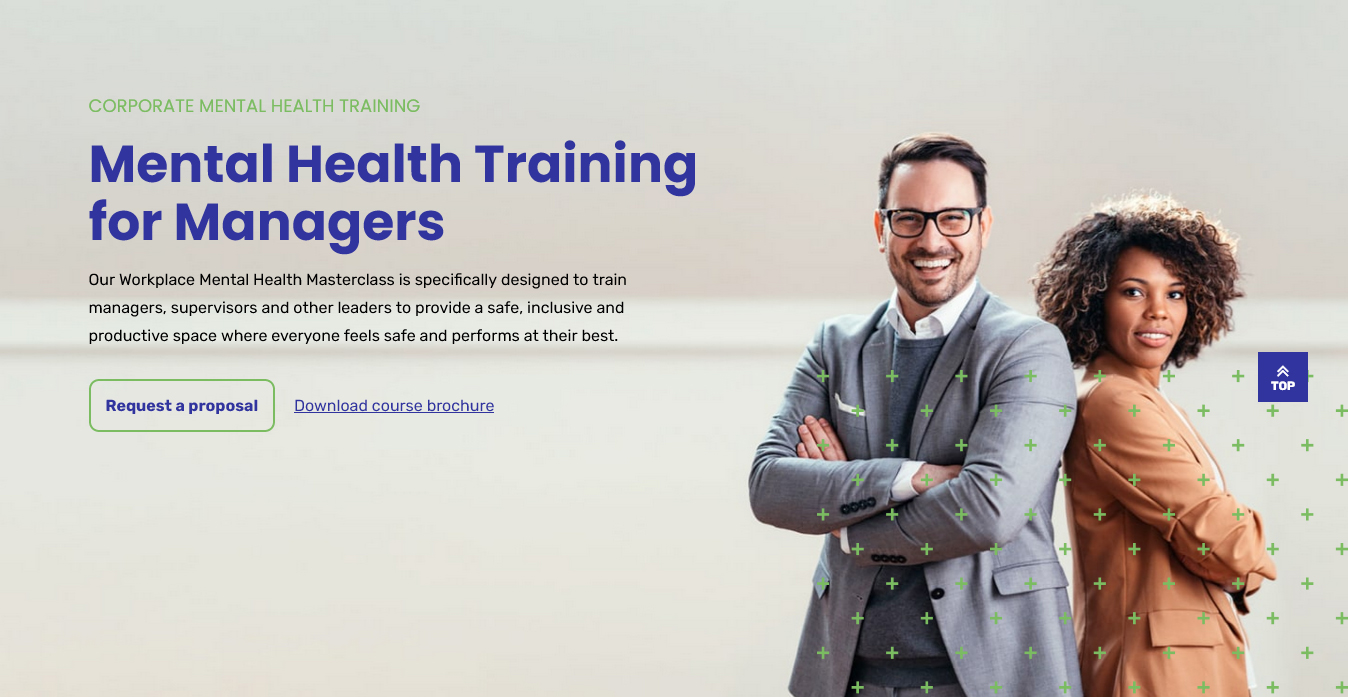
Managers equipped with Mental Health Training for Managers develop confidence in addressing sensitive conversations, reducing avoidance behaviors that allow conditions to worsen. This training covers practical frameworks for supportive dialogue, appropriate boundaries, and effective referral processes that protect both employee wellbeing and organizational interests.
Driving Measurable Performance Improvements
The benefit of mental health awareness extends directly into organizational performance metrics that matter to stakeholders and leadership teams. Companies demonstrating strong mental health awareness cultures consistently outperform competitors across productivity, innovation, and retention measures.
Employees working in psychologically safe environments report higher engagement levels, increased discretionary effort, and stronger organizational commitment. These subjective improvements translate into objective business outcomes including reduced turnover costs, lower absenteeism rates, and improved quality metrics across deliverables.
Quantifiable Business Impact
Mental health awareness initiatives generate return on investment through multiple channels. Direct cost savings emerge from reduced healthcare utilization, workers compensation claims, and disability leave. Indirect benefits include improved decision-making quality, enhanced team collaboration, and accelerated innovation cycles.
Documented organizational benefits include:
- Productivity gains averaging 12-15% in awareness-focused workplaces
- Retention improvements reducing recruitment costs by significant margins
- Absenteeism reductions decreasing lost workdays by measurable percentages
- Presenteeism mitigation through earlier intervention and support
- Innovation acceleration as psychological safety enables risk-taking
Organizations measuring these outcomes position mental health awareness as strategic investment rather than compliance cost. This reframing elevates wellbeing initiatives to board-level priorities with dedicated budgets and accountability structures.
The Cleveland Clinic research underscores how mental wellbeing affects cognitive functioning, directly influencing workplace decision quality and problem-solving capabilities. Teams operating with strong awareness foundations make better strategic choices and navigate complexity more effectively.
Building Organizational Resilience
A fundamental benefit of mental health awareness involves strengthening collective resilience across organizational systems. Resilient organizations adapt to market disruptions, navigate leadership transitions, and maintain performance during crisis periods through psychologically healthy cultures.
Awareness initiatives build resilience by normalizing adaptation challenges and equipping teams with coping strategies. When organizations treat change-related stress as predictable rather than exceptional, employees develop realistic expectations and proactive management approaches.
Resilience Components Enhanced Through Awareness
Individual resilience strengthens through understanding personal mental health patterns, recognizing stress responses, and implementing evidence-based coping strategies. Team resilience grows when collective awareness enables mutual support, distributed workload management, and collaborative problem-solving during pressure periods.
Organizational resilience emerges from systems designed with psychological wellbeing integrated into decision frameworks. These structures include workload monitoring mechanisms, recovery period planning, and resource allocation that acknowledges human capacity limits.
| Resilience Level | Awareness Contributions | Practical Applications |
|---|---|---|
| Individual | Self-awareness, coping skills | Personal stress management |
| Team | Mutual support, communication | Collaborative workload sharing |
| Organizational | Systemic design, policy | Sustainable work practices |
| Cultural | Values alignment, leadership | Long-term wellbeing prioritization |
Organizations developing multi-level resilience weather economic downturns, industry disruptions, and competitive pressures more successfully than competitors lacking these foundations. This strategic advantage compounds over time as resilient cultures attract top talent and retain institutional knowledge.

Improving Access to Support Resources
Mental health awareness directly improves how employees access and utilize available support resources. Organizations investing significant budgets in employee assistance programs, counseling services, and wellbeing initiatives often see disappointing utilization rates without corresponding awareness efforts.
Awareness programs bridge the gap between resource availability and actual usage by educating employees about what services exist, how to access them, and what to expect from engagement. This demystification removes barriers that prevent help-seeking even when resources stand readily available.
Resource Navigation Skills
Effective awareness training teaches practical navigation of support systems including internal resources, insurance coverage, community services, and crisis intervention options. Employees gain clarity about appropriate resource selection for different concern types, reducing confusion and decision paralysis.
Clear communication about confidentiality protections significantly increases resource utilization. When employees understand that accessing mental health support remains private and separate from performance management systems, they engage more readily with available services.
The expansion of mental health literacy through workplace training demonstrates how informed employees make better decisions about when and how to seek professional support, leading to improved outcomes and reduced crisis interventions.
Fostering Inclusive Workplace Cultures
Another substantial benefit of mental health awareness appears in its capacity to build genuinely inclusive workplace cultures. Diversity and inclusion initiatives gain meaningful depth when mental health considerations inform policy design, communication practices, and leadership behaviors.
Mental health awareness acknowledges that employees bring diverse backgrounds, experiences, and needs to workplace environments. This recognition extends beyond demographic diversity to encompass neurodiversity, trauma histories, caregiving responsibilities, and varying stress tolerance levels.
Inclusive Practice Development
Awareness-informed leaders design flexible work arrangements that accommodate diverse mental health needs without requiring disclosure. These universal design approaches benefit all employees while providing essential support for those managing specific conditions.
Inclusive practices enabled by mental health awareness:
- Flexible scheduling accommodating therapy appointments and recovery needs
- Communication preferences respecting processing styles and anxiety triggers
- Meeting structures supporting various participation comfort levels
- Performance evaluation recognizing diverse productivity patterns
- Career development pathways acknowledging non-linear progression
Organizations embedding mental health awareness into inclusion strategies create environments where employees bring authentic selves to work. This authenticity drives engagement, innovation, and loyalty that directly impact competitive positioning.
The Mental Health Foundation research highlights how awareness promotes understanding across communities, creating environments where diverse mental health experiences receive appropriate recognition and support.
Strengthening Leadership Effectiveness
The benefit of mental health awareness extends into leadership development, producing managers who navigate complex human dynamics with greater skill and confidence. Leaders educated about mental health make better decisions regarding team composition, workload distribution, and performance management approaches.
Awareness-trained leaders recognize how their own mental health influences leadership effectiveness. This self-awareness prevents projection of personal stress onto teams, reduces reactive decision-making, and models healthy boundary-setting that cascades through organizational cultures.
Leadership Competency Development
Modern leadership competencies increasingly incorporate mental health literacy as foundational rather than supplementary. Leaders must understand psychological safety principles, stress physiology, trauma responses, and recovery processes to effectively guide teams through contemporary workplace challenges.
These competencies enable leaders to balance performance expectations with sustainable work practices. Rather than viewing mental health support as accommodation or special treatment, awareness-informed leaders integrate wellbeing considerations into standard management approaches.
Leadership mental health awareness directly correlates with team psychological safety scores, which predict innovation, learning velocity, and error reporting accuracy. Teams led by aware managers demonstrate higher trust levels and more effective feedback cultures.
Enhancing Organizational Reputation
Organizations demonstrating genuine commitment to mental health awareness strengthen external reputation among customers, investors, and prospective employees. This reputational capital translates into competitive advantages across multiple domains including talent acquisition, customer loyalty, and investor confidence.
Modern employees, particularly younger generations, prioritize workplace mental health support when evaluating employment opportunities. Organizations known for strong mental health cultures attract broader, higher-quality candidate pools and negotiate from positions of strength during recruitment processes.
External Stakeholder Perception
Customer preferences increasingly favor organizations demonstrating social responsibility including employee wellbeing commitments. B2B relationships particularly value supply chain partners maintaining ethical employment practices that prevent exploitation and burnout.
Investor communities recognize the connection between mental health awareness and long-term organizational sustainability. Environmental, Social, and Governance frameworks now commonly include mental health metrics as material factors influencing investment decisions.
Organizations publishing transparency reports about mental health initiatives, including participation rates, outcome measures, and continuous improvement plans, differentiate themselves in competitive markets. This transparency builds trust while demonstrating accountability for stated commitments.
Supporting Personal Growth and Development
A often-overlooked benefit of mental health awareness involves its contribution to employee personal growth trajectories. Individuals developing mental health literacy gain transferable skills applicable far beyond workplace contexts, enriching personal relationships, parenting approaches, and community involvement.
Awareness programs teach emotional intelligence competencies including self-regulation, empathy, social awareness, and relationship management. These capabilities enhance professional effectiveness while supporting overall life satisfaction and wellbeing.
Skill Transferability
Employees learning to recognize stress responses, implement coping strategies, and seek appropriate support apply these skills across life domains. The workplace investment in mental health awareness generates societal benefits as educated individuals support family members, friends, and community members experiencing mental health challenges.
Organizations contributing to broader mental health literacy fulfill corporate social responsibility mandates while building goodwill that extends brand reach. Employees become ambassadors for mental health awareness in personal networks, multiplying organizational impact beyond direct workforce boundaries.
Personal growth through awareness also supports career longevity. Employees managing mental health effectively sustain productive careers across decades rather than burning out in high-intensity periods. This longevity benefits both individuals and organizations retaining institutional knowledge.
Creating Sustainable Wellbeing Systems
The strategic benefit of mental health awareness lies in its foundation for sustainable wellbeing systems that evolve with organizational needs. Awareness initiatives establish baseline understanding that supports increasingly sophisticated interventions over time.
Organizations beginning with basic awareness education can progressively layer specialized training, peer support programs, leadership coaching, and systemic policy reforms. This developmental approach builds capability without overwhelming systems or budgets.
System Evolution Pathways
Mature mental health systems integrate awareness across recruitment, onboarding, performance management, succession planning, and exit processes. Mental health considerations inform every employee lifecycle stage rather than existing as standalone programs.
Developmental stages for wellbeing systems:
- Foundation building through basic awareness training for all employees
- Manager capability development with specialized leadership programs
- Peer support networks enabling horizontal assistance structures
- Policy integration embedding wellbeing into operational procedures
- Measurement sophistication tracking outcomes and refining approaches
Organizations progressing through these stages demonstrate compound returns as each level builds upon previous investments. The benefit of mental health awareness becomes self-reinforcing as culture shifts create momentum for continued improvement.
Sustainable systems also address psychosocial hazards systematically rather than responding reactively to individual cases. This preventive orientation reduces harm occurrence while maintaining compliance with evolving regulatory requirements.
Facilitating Difficult Conversations
Mental health awareness equips organizations with capacity to navigate difficult conversations that previously generated anxiety and avoidance. Managers develop confidence addressing performance issues complicated by mental health factors, distinguishing between appropriate support and accountability.
This nuanced capability prevents two common pitfalls: ignoring mental health factors that require accommodation, or avoiding performance management entirely due to mental health disclosure. Awareness training provides frameworks balancing these competing needs appropriately.
Conversation Frameworks
Effective mental health conversations follow structured approaches that respect dignity while addressing legitimate performance or behavioral concerns. These frameworks separate person from problem, focus on observable behaviors rather than assumptions about mental state, and identify collaborative solutions.
Managers learn appropriate questions that gather necessary information without crossing into clinical diagnosis or invasive inquiry. This boundary awareness protects both employee privacy and organizational liability while enabling supportive responses.
The significance of mental health awareness in fostering empathy enables leaders to approach difficult conversations with appropriate compassion while maintaining necessary standards and expectations.
The benefit of mental health awareness extends across individual, team, and organizational levels, creating compounding value that strengthens workplace culture and performance. Organizations that embed awareness into their operational DNA position themselves for sustained success in increasingly complex business environments. The Workplace Mental Health Institute offers evidence-based training programs designed to build this essential capability throughout your organization, from frontline employees to senior leadership teams. Explore how comprehensive mental health awareness can transform your workplace culture and drive measurable business outcomes.

