
The mental health landscape for australians for mental health has undergone significant transformation in recent years, particularly within workplace settings. Organizations across the country now recognize that supporting employee psychological wellbeing is not merely a compliance obligation but a strategic imperative that directly impacts productivity, retention, and organizational culture. With current data indicating substantial increases in psychological distress among working Australians, the need for comprehensive, evidence-based mental health strategies has never been more critical.
Understanding the Current Mental Health Landscape for Australian Workers
The mental health challenges facing Australian employees represent a complex interplay of workplace factors, societal pressures, and individual circumstances. Recent mental health indicators demonstrate that a significant proportion of adults experience high levels of psychological distress, with workplace-related stressors contributing substantially to this burden.
Key statistics that shape the australians for mental health conversation include:
- Approximately one in five Australian adults experience mental health conditions annually
- Workplace stress accounts for substantial workers' compensation claims
- Mental health conditions contribute to extended periods of absenteeism
- Presenteeism costs exceed absenteeism in productivity loss
The Economic Impact on Australian Organizations
Mental health challenges create measurable financial consequences for businesses. Organizations that fail to prioritize australians for mental health initiatives face direct costs through increased absenteeism, higher turnover rates, and reduced productivity. Indirect costs include diminished team morale, decreased innovation, and reputational damage.
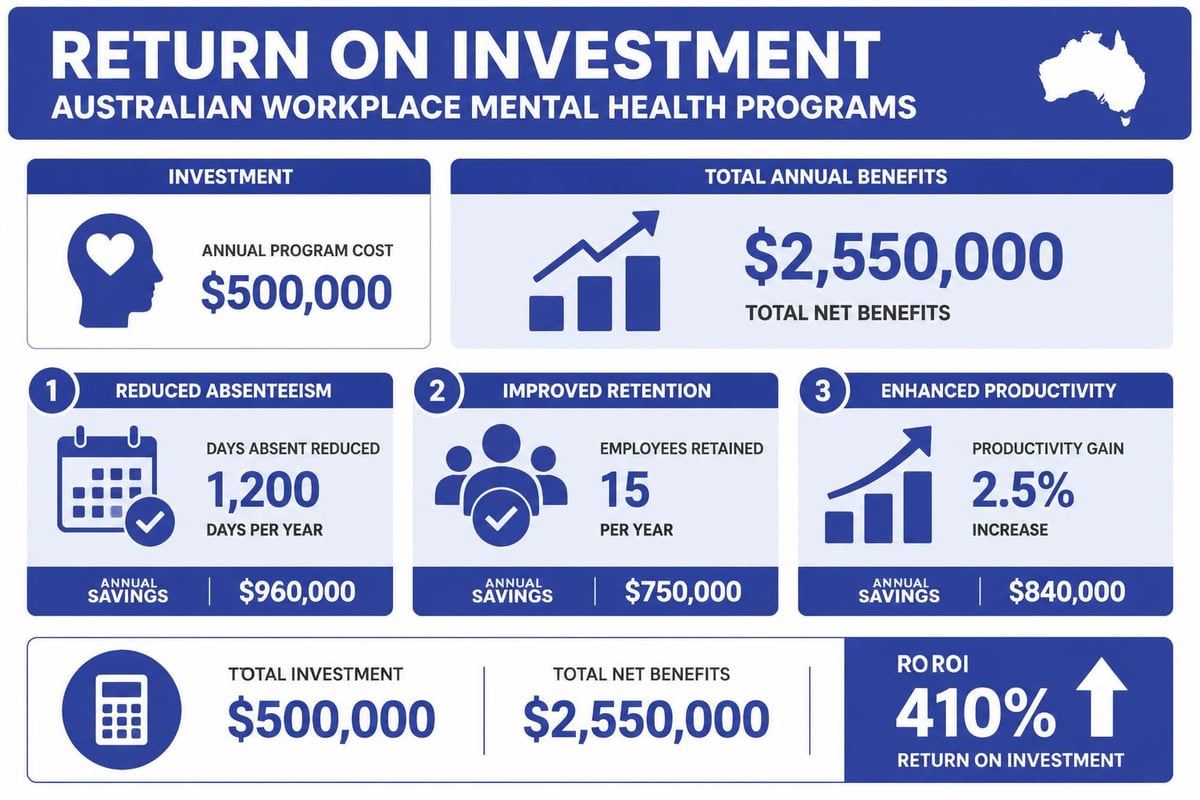
The return on investment for comprehensive mental health programs consistently demonstrates positive outcomes. For every dollar invested in workplace mental health interventions, organizations typically see returns ranging from two to five dollars through reduced absenteeism, improved productivity, and lower recruitment costs.
Building Psychologically Safe Workplaces for Australians
Creating environments where australians for mental health can thrive requires systematic approaches that address multiple organizational levels. Psychological safety forms the foundation of effective mental health strategies, enabling employees to voice concerns, seek support, and engage authentically without fear of negative consequences.
Leadership Accountability and Modeling
Leaders bear primary responsibility for establishing workplace cultures that prioritize mental health. This accountability extends beyond policy implementation to personal modeling of healthy behaviors and open conversations about psychological wellbeing.
Essential leadership practices include:
- Demonstrating vulnerability by sharing personal experiences with stress management
- Normalizing help-seeking behaviors through visible support utilization
- Establishing clear boundaries around work hours and availability
- Responding empathetically to employee mental health disclosures
- Allocating resources specifically for mental health initiatives
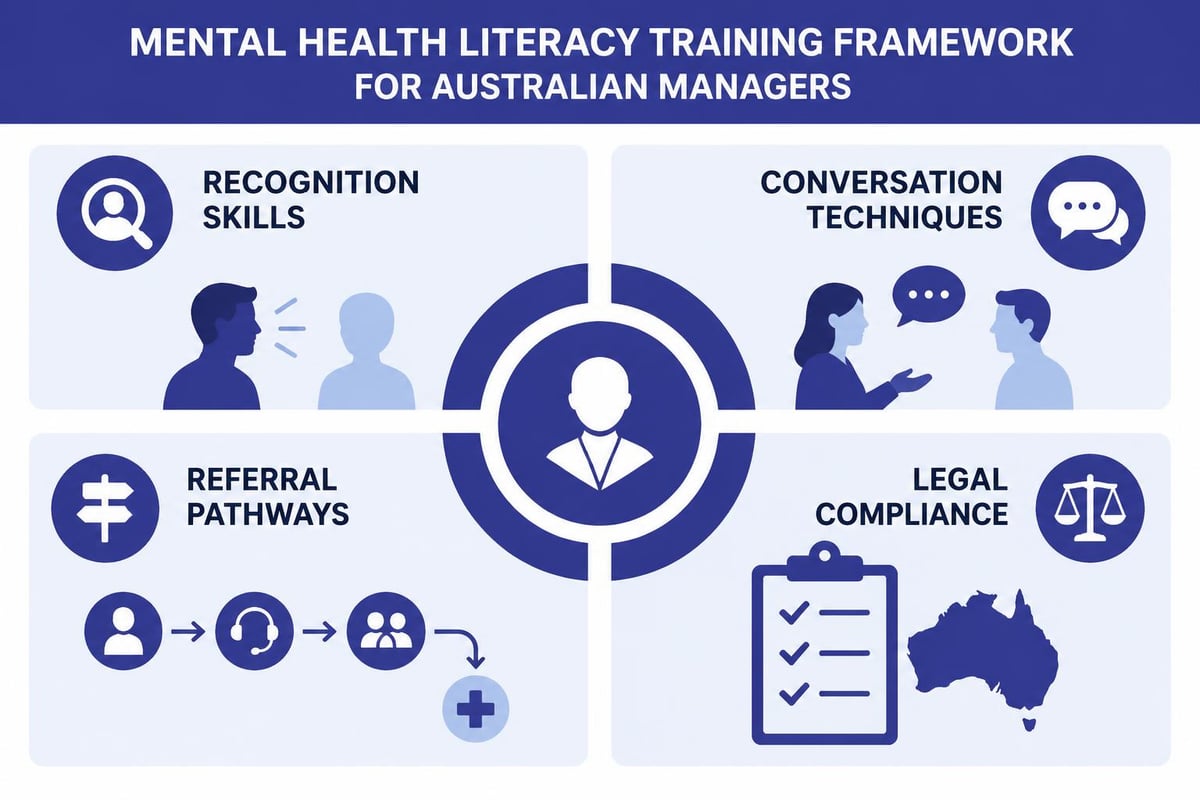
Organizations supporting mental health in Australia recognize that leadership training represents a critical investment. Managers equipped with mental health literacy can identify early warning signs, conduct supportive conversations, and facilitate appropriate referrals to professional resources.
Structural Workplace Modifications
Beyond individual leadership capabilities, organizational structures themselves require examination and modification to support australians for mental health effectively. Workload distribution, role clarity, decision-making authority, and social connection opportunities all influence psychological wellbeing.
| Structural Element | Mental Health Impact | Recommended Intervention |
|---|---|---|
| Workload management | Chronic stress, burnout | Regular capacity reviews, realistic deadlines |
| Role clarity | Anxiety, uncertainty | Clear position descriptions, defined expectations |
| Autonomy levels | Engagement, motivation | Delegated decision-making, flexible approaches |
| Social connection | Isolation reduction | Team activities, mentorship programs |
| Physical environment | Stress levels | Quiet spaces, ergonomic design |
Evidence-Based Training Programs for Australian Workplaces
Comprehensive training forms the cornerstone of sustainable mental health strategies. Programs designed specifically for australians for mental health considerations must address local context, cultural factors, and regulatory requirements while delivering practical, applicable skills.
Manager-Focused Mental Health Training
Managers occupy a unique position to influence employee mental health outcomes positively. Training programs targeting this group should develop competencies in recognition, response, and referral while building confidence in handling sensitive conversations.
Core competencies for trained managers:
- Recognizing behavioral and performance changes indicating distress
- Conducting non-judgmental check-in conversations
- Understanding boundaries between managerial support and professional intervention
- Navigating workplace adjustments and reasonable accommodations
- Maintaining confidentiality while ensuring appropriate documentation
Managers trained through specialized programs from Australian mental health organizations report increased confidence in addressing mental health concerns and improved team psychological safety metrics. These outcomes directly correlate with reduced absenteeism and enhanced team performance.
Employee Resilience and Wellbeing Programs
While manager training addresses organizational leadership capabilities, employee-focused programs build individual capacity for stress management, emotional regulation, and help-seeking behaviors. Effective programs for australians for mental health balance skill development with awareness building.
Resilience training should not position mental health challenges as individual failings requiring personal correction. Instead, programs should acknowledge systemic workplace stressors while providing practical tools for navigation and recovery.
- Stress awareness and self-monitoring techniques
- Evidence-based coping strategies including cognitive reframing
- Boundaries establishment between work and personal life
- Social connection and support network development
- Recognition of when professional help is appropriate
Trauma-Informed Approaches in Australian Workplaces
Trauma-informed practices recognize that many employees bring experiences of trauma into workplace settings. These experiences influence stress responses, interpersonal relationships, and work performance. Organizations committed to supporting australians for mental health must integrate trauma-informed principles throughout policies and practices.
Core Principles of Trauma-Informed Workplaces
Trauma-informed approaches rest on foundational principles that reshape organizational culture and individual interactions. These principles apply universally while allowing customization to specific workplace contexts.
The five key principles include:
- Safety: Creating physical and psychological environments where employees feel secure
- Trustworthiness: Demonstrating organizational consistency and transparency in decisions
- Peer support: Facilitating connections between employees with shared experiences
- Collaboration: Ensuring employees participate meaningfully in decisions affecting them
- Empowerment: Recognizing and building upon employee strengths and capabilities
Organizations implementing trauma-informed practices report improvements in employee engagement, reductions in conflict, and enhanced capacity to support diverse workforce needs. Training in trauma-informed care equips managers and HR professionals to recognize trauma responses and adjust workplace expectations appropriately.
Practical Implementation Strategies
Translating trauma-informed principles into daily practice requires intentional strategy development and consistent application. Organizations should assess current practices against trauma-informed standards and identify modification opportunities.
| Practice Area | Traditional Approach | Trauma-Informed Approach |
|---|---|---|
| Performance management | Focus on deficits | Strength-based discussions |
| Policy communication | Top-down directives | Collaborative development |
| Conflict resolution | Blame assignment | Understanding underlying needs |
| Change management | Rapid implementation | Gradual transition with support |
Strategic Wellbeing Assessments for Australian Organizations
Comprehensive wellbeing assessments provide data-driven insights into organizational mental health status, enabling targeted intervention development. Assessments designed for australians for mental health contexts should incorporate validated measurement tools while respecting privacy and confidentiality.
Assessment Components and Methodologies
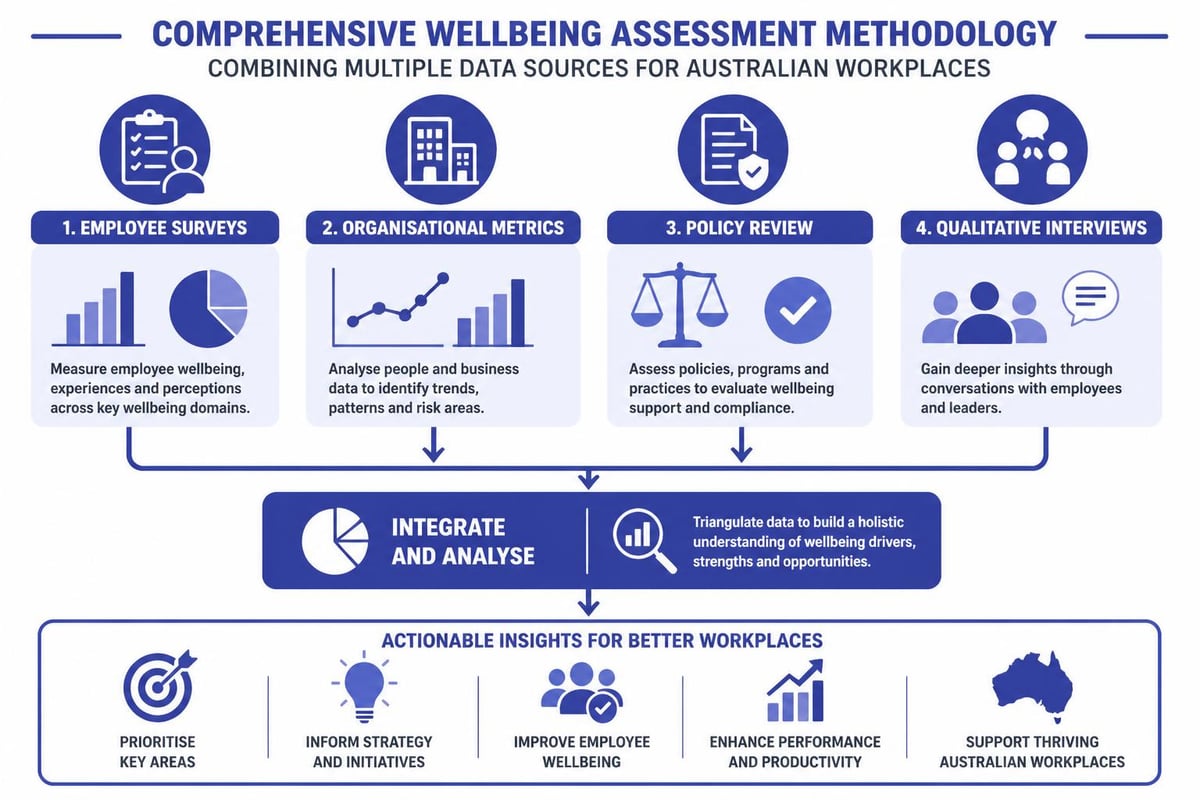
Effective wellbeing assessments combine quantitative metrics with qualitative insights to create comprehensive understanding of employee experiences. Multiple data sources triangulate findings and reduce bias.
Assessment methods include:
- Anonymous employee surveys measuring psychological safety, stress levels, and job satisfaction
- Confidential focus groups exploring specific wellbeing themes
- Analysis of organizational data including absenteeism patterns and turnover rates
- Structured interviews with leaders regarding observed team wellbeing
- Review of existing policies and practices against evidence-based standards
Organizations utilizing professional wellbeing assessments gain actionable insights that guide resource allocation and program prioritization. Assessment results should inform strategic planning rather than serving as compliance exercises.
Translating Assessment Data into Action
Data collection represents only the initial phase of strategic wellbeing improvement. Organizations must translate findings into prioritized action plans with clear accountability, timelines, and success metrics.
Effective action planning involves stakeholder participation across organizational levels. Employees who contributed assessment data should receive transparent communication about findings and proposed responses, creating accountability loops that build trust.
Action plan components:
- Priority identification based on assessment severity and organizational capacity
- Resource allocation including budget, personnel, and time commitments
- Implementation timelines with realistic milestones and checkpoints
- Success metrics defining what improvement looks like quantitatively
- Review schedules ensuring ongoing monitoring and adjustment
Building Sustainable Mental Health Cultures
Sustainable mental health cultures extend beyond discrete programs to become embedded organizational characteristics. These cultures normalize mental health conversations, remove help-seeking barriers, and integrate wellbeing considerations into all business decisions.
Policy Integration and Systemic Change
Mental health considerations should influence recruitment, onboarding, performance management, professional development, and succession planning. This integration ensures that supporting australians for mental health becomes standard practice rather than special initiative.
Organizations developing mental health policies should consult diverse stakeholders including employees with lived experience, union representatives where applicable, and mental health professionals. Policies gain legitimacy and practical relevance through inclusive development processes.
Essential policy areas:
- Mental health leave provisions and application processes
- Workplace adjustment procedures for employees experiencing mental health challenges
- Anti-stigma commitments and discrimination prevention
- Manager responsibilities for mental health support
- Confidentiality protections and information sharing protocols
Measurement and Continuous Improvement
Organizations committed to australians for mental health excellence recognize that culture development requires ongoing measurement and refinement. Regular data collection tracks progress, identifies emerging challenges, and demonstrates accountability.
Leading indicators provide early warning of potential issues before they escalate. These might include team psychological safety scores, manager check-in frequency, or employee assistance program utilization rates. Lagging indicators such as absenteeism and turnover confirm the impact of interventions over time.
| Metric Type | Examples | Collection Frequency |
|---|---|---|
| Leading indicators | Psychological safety scores, training completion | Quarterly |
| Lagging indicators | Absenteeism rates, turnover statistics | Monthly |
| Process indicators | Policy compliance, manager check-ins | Ongoing |
| Outcome indicators | Productivity metrics, engagement scores | Annually |
Specialized Training for High-Risk Sectors
Certain industries expose Australian workers to elevated mental health risks through traumatic content, high-pressure environments, or physically demanding conditions. Organizations in these sectors require specialized approaches to supporting australians for mental health that address industry-specific challenges.
First Responders and Emergency Services
First responders regularly encounter traumatic incidents that accumulate psychological impact over careers. Effective mental health strategies for these professionals must address both acute incident response and cumulative trauma effects.
Training programs should incorporate peer support models, critical incident stress management protocols, and regular psychological screening. Organizations should normalize help-seeking by integrating mental health check-ins into standard operational procedures rather than positioning them as crisis responses.
Healthcare and Social Services
Healthcare workers and social service professionals experience vicarious trauma through sustained exposure to client suffering. Compassion fatigue and moral injury represent significant occupational hazards requiring proactive management.
Workplace strategies should include supervision models that process emotional impacts, workload management preventing sustained overexposure, and organizational acknowledgment of the psychological demands inherent in caring professions. Resources from online mental health training platforms provide accessible skill development for healthcare teams.
Creating Mentally Healthy Remote and Hybrid Work Environments
The evolution of work arrangements creates both opportunities and challenges for supporting australians for mental health. Remote and hybrid models eliminate commute stress while potentially increasing isolation and blurring work-life boundaries.
Technology-Enabled Connection and Support
Organizations must intentionally design connection opportunities within remote work structures. Regular video check-ins, virtual social activities, and digital collaboration platforms help maintain team cohesion and reduce isolation.
Effective remote mental health strategies include:
- Scheduled informal virtual gatherings beyond task-focused meetings
- Digital wellbeing resources accessible through organizational platforms
- Clear communication protocols preventing after-hours intrusion
- Training for managers in recognizing remote worker distress
- Equipment and workspace support ensuring ergonomic home offices
Boundary Management in Flexible Work Arrangements
Flexibility benefits mental health when it enhances autonomy and work-life integration. However, without clear boundaries, flexibility can deteriorate into constant availability expectations that increase stress.
Organizations should establish core collaboration hours while protecting focused work time and personal time. Leaders must model healthy boundary practices, demonstrating that flexibility serves wellbeing rather than extending work into all hours.
Supporting australians for mental health within workplace contexts requires comprehensive strategies addressing individual skills, leadership capabilities, organizational structures, and cultural norms. Evidence-based approaches that integrate training, assessment, policy development, and continuous improvement create sustainable improvements in employee psychological wellbeing and organizational performance. The Workplace Mental Health Institute provides specialized training programs, wellbeing assessments, and strategic consultation designed to help Australian organizations build mentally healthy cultures that enhance both employee wellbeing and business outcomes.

