

The Hidden Price of Bad Leadership
It’s often not the workload that wears people down, but the way they’re led. Bad leadership drains energy, silences ideas, and drives good people away.
It’s often not the workload that wears people down, but the way they’re led. Bad leadership drains energy, silences ideas, and drives good people away.

You can tell the health of a workplace without a word being spoken. Policies may look great on paper, but it’s leadership that shapes the culture. The way leaders show up each day decides whether people just get by — or truly thrive.

Ever noticed how the quietest person in the room can drop the biggest idea? Too often, their voices get drowned out. With psychological safety, those ideas don’t just surface, they change the game.

We all like a bit of optimism at work. But when “good vibes only” becomes the rule, it can quietly push real issues underground. And that silence? It’s often where burnout and disengagement begin.

Sometimes people don’t leave loudly. They simply grow distant, little by little. And by the time they resign, the decision has already been made in their mind.

Unlike stress or burnout, loneliness doesn’t usually make a dramatic entrance. It creeps in quietly. But its impact can be just as heavy — less energy, less collaboration, less purpose.

A lot of us already know about the importance of mental health at work. We’ve heard the stats. We’ve seen the campaigns. Maybe you’ve even taken part in some activities for Mental Health Month – a webinar, a team meditation, a wellness challenge.

Trauma dumping is different. It encompasses intense feelings or experiences without seeking permission from the other party. This could feel like upon entering into a communication, a person has leaped on a roller coaster and the rest need to survive the ride without knowing if they are able or ready.

Trust-Based Relational Intervention (TBRI) is a trauma-informed model that helps us support people who’ve experienced adversity—particularly early relational trauma, neglect or chronic stress.

A trauma-informed workplace recognizes that employees bring their whole selves—and sometimes past or ongoing stressors—into their work environment. By fostering safety, trust, and resilience, organizations can boost well-being, productivity, and retention. Here’s how to build a meaningful trauma-informed framework…

Recent data from the World Health Organization shows that for every $1 invested in mental health support, organizations see a $4 return through increased productivity and reduced absenteeism. That’s not just good ethics – it’s smart business. What Makes a Workplace Truly Trauma-Informed?

A friend of mine recently shared a story about their workplace transformation. He worked in a demanding industry, where stress was part of the daily routine. However, after their company introduced a series of mental health initiatives, including comprehensive mental health training, the atmosphere shifted.
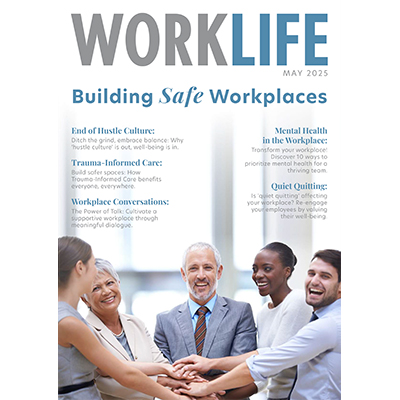
Discover how meaningful conversations and supportive leadership can create resilient teams where employees feel valued, heard, and empowered to bring their best selves to work every day.

Executives in large organizations are well positioned to achieve significant accomplishments and to enjoy considerable wealth and power. However, while professionals entering the workforce may aspire to one day become senior leaders…

Discover how thoughts, emotions, and behaviors impact physical health in this WorkLife edition. Learn strategies to harness the mind-body connection for greater resilience.
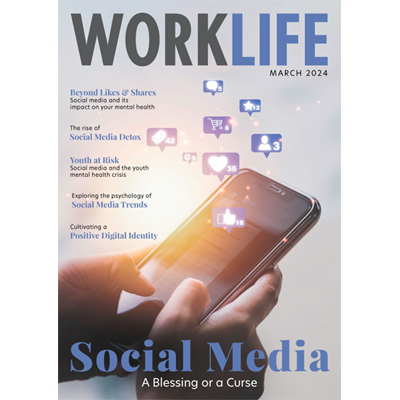
Social media has grown exponentially in the last decade and it has become an undeniable influence in most people’s lives. But is it a boon or a bane?

The recent lawsuits against social media platforms are groundbreaking, urging us to seriously consider the influence these platforms have on young people’s mental health.

Communication is the basis of all human interactions. It lets us say what we want, share ideas, and make real relationships. Unfortunately, stonewalling is a bad habit that often gets in the way of good conversation.

People with narcissistic personality disorder often have trouble forming strong connections with others and might engage in harmful behaviors to keep their sense of superiority over others. We’ll talk about what narcissism is, how it affects relationships, and how to spot narcissistic traits in people.

A lot of people often neglect their mental health and wellbeing and develop mental health conditions like anxiety, stress, and depression as a result. You can maintain and enhance your mental health by following these 7 easy tips anyone can apply