
Employee burnout has emerged as one of the most pressing challenges facing organizations worldwide, affecting productivity, retention, and workplace culture. The ability to reduce employee burnout requires a comprehensive understanding of its root causes and strategic interventions that address both individual and organizational factors. As workplaces navigate increasing complexity and change, leaders must equip themselves with evidence-based approaches that create sustainable, supportive environments where employees can thrive without sacrificing their mental health and wellbeing.
Understanding the Burnout Epidemic
Burnout extends far beyond simple workplace stress or occasional fatigue. The World Health Organization classifies burnout as an occupational phenomenon characterized by three dimensions: emotional exhaustion, depersonalization, and reduced personal accomplishment. This distinction matters because addressing burnout requires different interventions than managing everyday stress.
Research reveals that burnout affects workers across all sectors, with significant variations based on organizational culture, leadership quality, and job design. The financial implications are staggering, with burnout contributing to increased absenteeism, presenteeism, and turnover costs that can reach up to 200% of an employee's annual salary when replacement and training expenses are factored.
The Real Cost Beyond Productivity
Organizations that fail to reduce employee burnout face consequences that ripple throughout their entire operation:
- Decreased innovation and creativity as exhausted employees default to routine tasks
- Compromised decision-making quality stemming from cognitive depletion
- Weakened team cohesion when burned-out members withdraw emotionally
- Increased safety incidents particularly in high-risk industries
- Damaged employer reputation affecting talent acquisition

Identifying Burnout Risk Factors
Effective strategies to reduce employee burnout begin with accurate identification of contributing factors. Unlike common misconceptions that attribute burnout solely to individual resilience or work hours, research demonstrates that organizational and systemic factors play the dominant role.
The CDC emphasizes that workplace conditions create the primary environment for either burnout or wellbeing. Six key areas consistently predict burnout risk: workload sustainability, perceived control, recognition and reward systems, community and support, fairness and equity, and values alignment between employee and organization.
Assessment and Early Detection
| Risk Factor Category | Warning Signs | Intervention Timing |
|---|---|---|
| Workload Imbalance | Consistent overtime, missed deadlines, quality decline | Immediate |
| Role Clarity Issues | Confusion about priorities, conflicting demands | Within 2 weeks |
| Recognition Gaps | Disengagement, reduced initiative, cynicism | Within 1 month |
| Support Deficits | Isolation, reluctance to ask for help, team conflict | Within 2 weeks |
Early detection systems that capture these warning signs enable leaders to reduce employee burnout before it becomes entrenched. Regular check-ins, pulse surveys, and creating psychological safety for honest conversations provide crucial data for proactive intervention.
Creating Structural Support Systems
Organizations serious about reducing burnout must move beyond individual resilience training to address structural and cultural factors. Research from Harvard Kennedy School demonstrates that interventions focused on social support and belonging significantly reduce burnout and resignation rates among frontline workers.
Structural changes that reduce employee burnout include redesigning work processes to eliminate unnecessary administrative burden, ensuring adequate staffing levels, and creating realistic performance expectations. These foundational elements matter more than wellness perks or individual stress management techniques.
Workload Management Strategies
Smart workload management represents one of the most direct paths to reduce employee burnout:
- Conduct regular capacity assessments to match demands with available resources
- Implement project prioritization frameworks that prevent simultaneous competing urgencies
- Build buffer time into schedules for unexpected demands and recovery
- Establish clear boundaries around after-hours communication and availability
- Rotate high-intensity assignments to prevent sustained exposure to draining work
Leaders must recognize that simply reducing hours proves insufficient. The quality of work design, autonomy, and meaning employees derive from their roles matter equally in preventing exhaustion.
Building Manager Capability
Frontline managers exert tremendous influence over whether employees experience burnout or engagement. Their daily interactions, feedback quality, support provision, and role modeling either protect against or accelerate burnout progression.
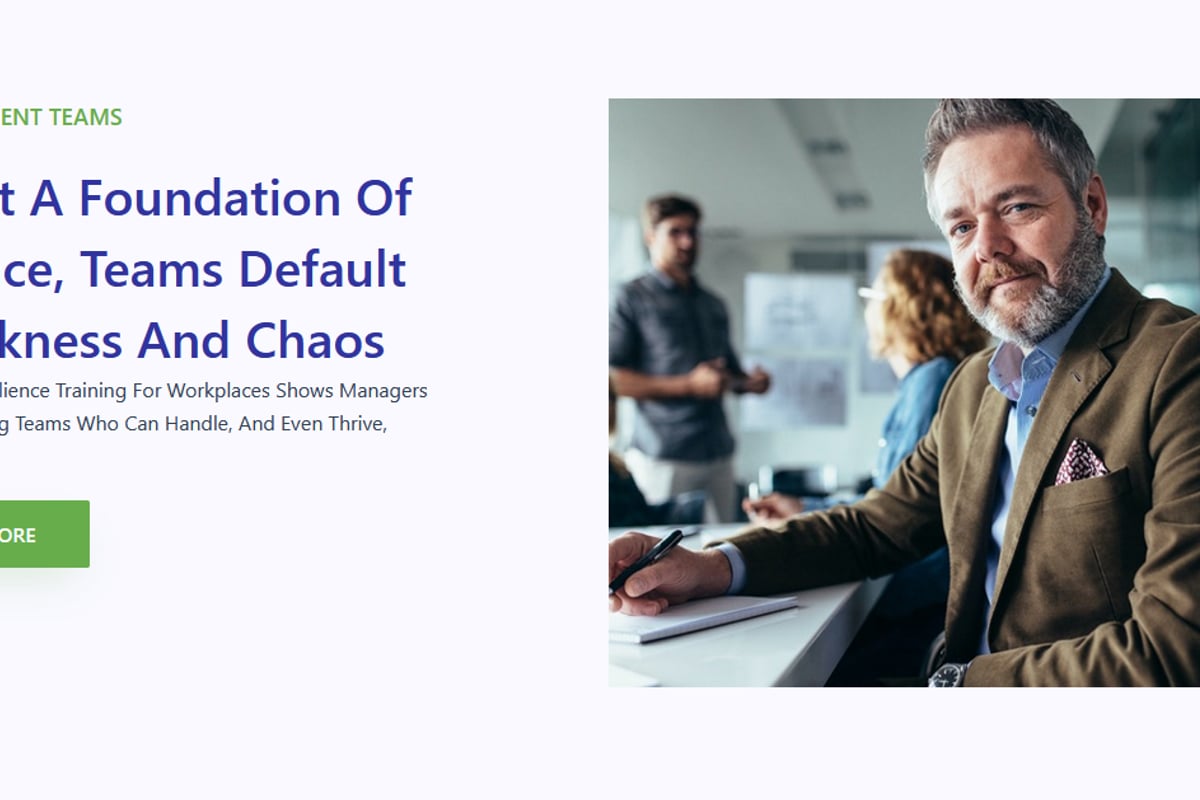
Equipping managers with skills to reduce employee burnout requires comprehensive training that addresses recognition of mental health challenges, psychologically safe communication, workload negotiation, and boundary setting. Programs like the Building Resilient Teams course provide leaders with evidence-based strategies to strengthen team resilience, prevent burnout, and create supportive workplace cultures that enable employees to thrive even under pressure.
Essential Manager Competencies
- Recognizing early signs of declining wellbeing in team members
- Conducting supportive conversations without judgment or problem minimization
- Making reasonable adjustments to work arrangements when employees struggle
- Modeling healthy behaviors around boundaries, recovery, and help-seeking
- Advocating upward for systemic changes that protect team wellbeing
Research consistently shows that manager quality predicts employee burnout more strongly than almost any other workplace factor, making leadership development a critical investment.
Fostering Psychological Safety
Efforts to reduce employee burnout must prioritize psychological safety as a foundational element. When employees fear negative consequences from speaking up about workload concerns, resource needs, or mistakes, they suppress these signals until burnout becomes severe.
Creating psychological safety requires deliberate action from leadership. This includes responding constructively to concerns, acknowledging organizational limitations, involving employees in problem-solving, and demonstrating that vulnerability is valued rather than penalized.

Practical Safety-Building Actions
Organizations can strengthen psychological safety through:
- Regular team retrospectives that examine what's working and what needs adjustment
- Anonymous feedback channels that capture concerns employees hesitate to voice directly
- Leadership acknowledgment of failures and lessons learned
- Celebrating help-seeking as strength rather than weakness
- Zero-tolerance policies for blame or retaliation
The connection between psychological safety and burnout prevention operates through multiple pathways. Safe environments enable earlier intervention, reduce the cognitive load of impression management, and strengthen social support systems that buffer against stress.
Implementing Recovery and Boundary Practices
Sustainable performance requires genuine recovery time, yet many workplace cultures inadvertently discourage disconnection. To reduce employee burnout effectively, organizations must legitimize and enable recovery practices at individual, team, and organizational levels.
Deloitte’s research emphasizes that reimagining workplace practices to support sustainable work norms proves essential for long-term burnout prevention. This includes examining meeting cultures, communication expectations, and workload distribution patterns.
Recovery Architecture
| Recovery Level | Example Practices | Implementation Considerations |
|---|---|---|
| Micro-breaks | 5-minute walks, breathing exercises | Normalize during work hours |
| Daily boundaries | Email cutoffs, lunch protection | Require manager modeling |
| Weekly rhythms | Meeting-free focus time | Block at team level |
| Extended leave | Vacation, sabbaticals | Ensure true disconnection |
Organizations that successfully reduce employee burnout create explicit permission structures for recovery. This might include no-meeting days, core collaboration hours with protected focus time, and leadership communication about their own boundary practices.
Addressing Psychosocial Hazards
Modern workplace health and safety frameworks increasingly recognize psychosocial hazards as critical factors in employee wellbeing. These hazards include job demands, low control, poor support, unclear roles, organizational change, and exposure to traumatic events or difficult interactions.
Understanding how to manage psychosocial safety equips organizations with systematic approaches to identify, assess, and control these risks before they contribute to burnout. This proactive stance aligns with regulatory requirements in many jurisdictions while protecting employee mental health.
Systematic Hazard Management
- Identify psychosocial hazards specific to different roles and teams
- Assess current controls and their effectiveness in mitigating risks
- Implement additional controls following the hierarchy of controls principle
- Monitor outcomes through wellbeing indicators and incident data
- Review and refine approaches based on changing conditions
This systematic approach to reduce employee burnout moves organizations from reactive crisis management to proactive risk prevention, embedding wellbeing into core operational processes.
Measuring What Matters
Organizations cannot improve what they don't measure. Effective burnout prevention requires metrics that capture leading indicators rather than waiting for trailing indicators like turnover or sick leave to signal problems.
Useful measurement approaches include regular pulse surveys focused on the dimensions of burnout, analysis of workload distribution patterns, tracking of discretionary effort indicators, and monitoring of help-seeking behaviors that suggest psychological safety.
Key Metrics Framework
- Emotional exhaustion levels tracked through validated survey items
- Perceived workload sustainability measured against available resources
- Recovery adequacy assessing whether employees feel they can disconnect
- Manager support quality rated by team members
- Values alignment between individual and organizational priorities
These metrics enable organizations to identify which teams or departments face elevated risk, evaluate intervention effectiveness, and demonstrate return on investment for burnout prevention initiatives.
Creating Culture Change
Sustainable efforts to reduce employee burnout ultimately require cultural transformation rather than programmatic interventions alone. Culture change means shifting underlying assumptions, norms, and behaviors around work intensity, availability, success definitions, and wellbeing priority.
Blue Cross Blue Shield research highlights the importance of creating organizational cultures that support full health, recognizing that employee wellbeing and organizational performance are interdependent rather than competing priorities.

Culture Transformation Elements
Successful culture change incorporates:
- Leadership commitment demonstrated through resource allocation and personal behavior
- Revised success metrics that include wellbeing alongside performance indicators
- Storytelling and recognition that celebrate sustainable high performance
- System alignment ensuring policies, practices, and rewards support desired behaviors
- Ongoing reinforcement through multiple channels and touchpoints
Cultural change represents the most challenging aspect of burnout prevention, yet also the most enduring. Organizations that successfully embed wellbeing into their cultural DNA create competitive advantages in talent attraction, retention, innovation, and sustained performance.
Tailoring Interventions to Context
Generic burnout prevention programs often fail because they ignore critical contextual differences. The factors that contribute to burnout among healthcare frontline workers differ substantially from those affecting remote knowledge workers or client-facing professionals exposed to vicarious trauma.
Effective strategies to reduce employee burnout require careful analysis of role-specific demands, available resources, organizational constraints, and employee preferences. What works in one context may prove ineffective or even counterproductive in another.
Context-Specific Considerations
Different work contexts require tailored approaches:
- High-intensity client work: Emphasis on emotional regulation, peer support, supervision quality
- Continuous change environments: Focus on clarity, involvement, realistic timelines
- Remote or hybrid settings: Priority on connection, boundary support, visibility
- Mission-driven organizations: Attention to sustainable passion, recovery legitimization
- High-risk sectors: Integration of safety, trauma exposure management, collective processing
Organizations must resist the temptation to implement one-size-fits-all solutions, instead investing in understanding the unique burnout drivers within their specific context and designing targeted interventions accordingly.
Sustaining Long-Term Commitment
Initial enthusiasm for burnout prevention often fades when immediate crises resolve or competing priorities emerge. Sustainable success requires embedding burnout prevention into ongoing organizational rhythms rather than treating it as a temporary initiative.
Long-term commitment manifests through integration into strategic planning, leadership development curricula, performance management systems, and resource allocation decisions. When wellbeing becomes part of "how we do business" rather than an add-on program, organizations create lasting protection against burnout.
Sustainability Mechanisms
| Mechanism | Purpose | Implementation |
|---|---|---|
| Wellbeing metrics in strategy | Elevate priority | Include in quarterly reviews |
| Manager accountability | Ensure capability | Add to performance criteria |
| Resource protection | Maintain capacity | Budget for adequate staffing |
| Regular assessment | Track progress | Annual comprehensive surveys |
| Leadership visibility | Model commitment | Public discussion of wellbeing |
Organizations that successfully reduce employee burnout over the long term view it as an ongoing practice requiring continuous attention, refinement, and investment rather than a problem to be solved once and forgotten.
Creating workplaces where employees can perform sustainably without sacrificing their mental health requires comprehensive, evidence-based approaches that address individual, team, and organizational factors. The strategies outlined here provide leaders with practical frameworks to reduce employee burnout through structural changes, manager capability building, cultural transformation, and ongoing measurement. The Workplace Mental Health Institute offers specialized training programs and consultation services designed to equip organizations with the skills, knowledge, and systems needed to build resilient, high-performing teams where employee wellbeing and organizational success advance together.

