
Employee mental health has emerged as a critical business priority, with organizations increasingly recognizing that workforce wellbeing directly impacts productivity, retention, and bottom-line results. Mental wellness activities for employees represent more than wellness perks-they constitute strategic interventions that address the psychological demands of modern work environments. Research consistently demonstrates that structured mental health initiatives reduce absenteeism, improve engagement, and foster organizational resilience when implemented with intentionality and appropriate professional guidance.
Understanding Mental Wellness in the Workplace Context
Mental wellness encompasses far more than the absence of diagnosable conditions. It represents employees’ capacity to manage stress effectively, maintain emotional regulation, navigate workplace relationships, and adapt to changing circumstances while sustaining performance.
Workplace mental wellness exists across multiple dimensions that organizations must address systematically. These include emotional stability, social connection, cognitive function, physical vitality, and sense of purpose. Research on wellness dimensions reveals how these components interact to shape overall employee wellbeing and performance outcomes.
Key characteristics of effective workplace mental wellness programs include:
- Integration with existing organizational systems and workflows
- Accessibility across diverse employee populations and work arrangements
- Evidence-based approaches grounded in psychological research
- Sustainability through manageable implementation requirements
- Measurable outcomes that demonstrate business value
Organizations often struggle to distinguish between superficial wellness gestures and substantive interventions. Effective mental wellness activities for employees address root causes rather than symptoms, build long-term capabilities rather than providing temporary relief, and create systemic support rather than placing responsibility solely on individuals.
The Business Case for Structured Mental Wellness Programming
Investment in employee mental wellness generates quantifiable returns. Organizations implementing comprehensive programs report reduced healthcare costs, decreased turnover expenses, and improved productivity metrics. More significantly, these initiatives strengthen organizational culture and employer brand in competitive talent markets.
The psychological safety created through mental wellness activities enables employees to perform optimally. When workers feel supported in managing mental health challenges, they demonstrate greater innovation, collaboration, and problem-solving capacity. This connection between psychological wellbeing and performance distinguishes strategic mental health programming from generic wellness offerings.
Evidence-Based Individual Mental Wellness Activities
Individual-focused interventions provide employees with personal tools and practices that build psychological resilience and self-management capabilities. These activities work best when organizations provide structured support, allocated time, and encouragement for consistent practice.

Mindfulness and Meditation Practices
Mindfulness-based interventions represent the most extensively researched mental wellness activities for employees, with decades of evidence supporting their effectiveness. These practices train attention regulation, emotional awareness, and response flexibility-capabilities directly applicable to workplace challenges.
Organizations can implement mindfulness programming through various formats:
- Guided meditation sessions led by qualified instructors during work hours
- Meditation apps with organizational subscriptions and usage tracking
- Quiet spaces designated specifically for mindfulness practice
- Mindfulness training courses that teach foundational techniques systematically
- Integration practices that apply mindfulness principles to routine work activities
Effective implementation requires more than providing access to meditation resources. Organizations should educate employees on the neurological and psychological mechanisms through which mindfulness affects mental health, establish realistic expectations about practice requirements, and create cultural permission for employees to utilize these resources during working hours.
Virtual reality applications for workplace wellbeing offer innovative delivery mechanisms for guided meditation and stress reduction activities, particularly valuable for distributed workforces or environments where traditional quiet spaces prove challenging.
Structured Journaling and Reflective Writing
Journaling activities provide employees with tools for processing workplace experiences, identifying stress patterns, and developing metacognitive awareness. Unlike casual note-taking, structured journaling follows specific frameworks that guide reflection and insight generation.
| Journaling Approach | Focus Area | Implementation Method | Primary Benefit |
|---|---|---|---|
| Gratitude journaling | Positive experiences | Daily three-item documentation | Shifts attention patterns |
| Stress tracking | Trigger identification | Event-response recording | Reveals patterns |
| Goal reflection | Progress assessment | Weekly review sessions | Maintains motivation |
| Emotion labeling | Affective awareness | Feeling identification practice | Improves regulation |
Organizations supporting journaling practices should provide guidance on effective techniques rather than mandating specific approaches. Privacy protections are essential-journaling remains most effective when employees maintain complete control over content and sharing decisions.
Physical Movement and Exercise Integration
Physical activity directly influences mental wellness through neurochemical, cardiovascular, and stress-regulation mechanisms. Movement-based mental wellness activities for employees need not require gym facilities or extensive time commitments to generate meaningful benefits.
Practical workplace movement initiatives include:
- Walking meetings that combine productivity with physical activity
- Stretching breaks scheduled into meeting-intensive days
- Standing desk options that reduce sedentary periods
- Lunchtime walking groups that add social connection
- Yoga or tai chi sessions led by certified instructors
The mental health benefits of physical activity stem partly from the activity itself and partly from the psychological experience of self-care and accomplishment. Organizations should emphasize diverse movement options that accommodate varying fitness levels, physical abilities, and personal preferences.
Team-Based Mental Wellness Interventions
Collective activities address the social dimensions of mental wellness while building team cohesion and mutual support capabilities. These interventions recognize that workplace mental health exists within relationship systems, not solely within individuals.
Peer Support Networks and Check-In Systems
Structured peer support creates horizontal accountability and assistance channels that complement formal mental health resources. Mental health-focused team-building activities strengthen these networks through intentional connection and skill development.
Effective peer support systems incorporate:
- Training that equips participants with active listening and referral skills
- Clear boundaries distinguishing peer support from clinical intervention
- Regular touchpoints that normalize mental health conversations
- Leadership modeling that demonstrates vulnerability and help-seeking
- Integration with professional resources for situations requiring clinical expertise
Organizations must carefully structure these initiatives to avoid creating additional burdens on participants or inadvertently establishing inadequate substitutes for professional mental health services. Peer support complements rather than replaces access to qualified mental health professionals.
Collaborative Stress Management Workshops
Group workshops provide employees with shared language, frameworks, and techniques for managing workplace stressors collectively. These sessions work best when facilitated by mental health professionals with workplace expertise who can address both individual coping strategies and systemic factors contributing to stress.
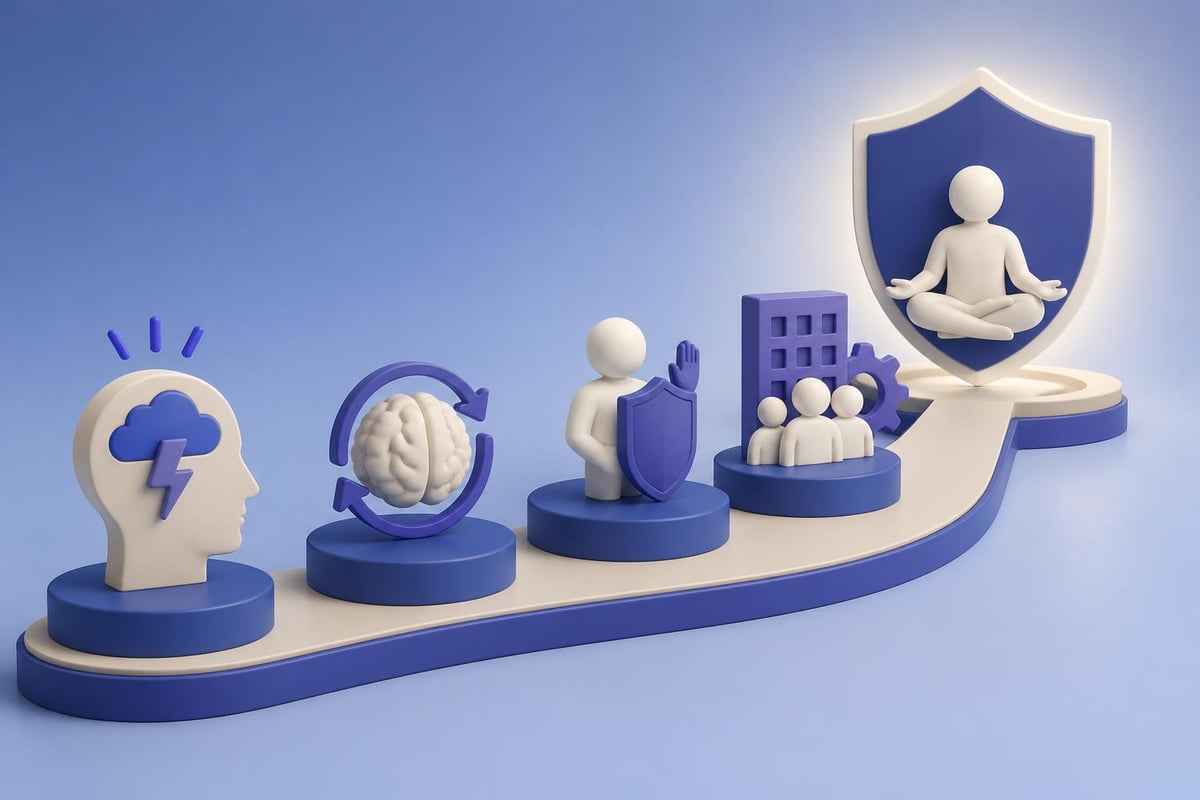
Workshop topics particularly relevant for mental wellness activities for employees include:
- Cognitive reframing techniques that challenge automatic negative interpretations
- Boundary-setting skills that protect personal time and energy
- Communication strategies that reduce interpersonal conflict
- Workload management approaches that prevent chronic overwhelm
- Resilience building that strengthens adaptive capacity
These interventions prove most effective when organizations address identified stressors simultaneously through policy or structural changes. Providing employees with coping tools while ignoring modifiable workplace conditions creates cynicism and diminishes program credibility.
Recognition and Appreciation Practices
Systematic recognition programs address psychological needs for acknowledgment, belonging, and competence. Mental health awareness activities frequently incorporate appreciation practices because they simultaneously improve mental wellness and strengthen organizational culture.
| Recognition Type | Implementation | Mental Health Impact | Sustainability Factor |
|---|---|---|---|
| Peer nominations | Monthly recognition cycles | Validates contributions | Requires minimal resources |
| Manager acknowledgment | Weekly team meetings | Strengthens relationships | Needs leadership training |
| Milestone celebrations | Project completions | Creates positive associations | Built into workflows |
| Skills spotlighting | Expertise sharing sessions | Enhances identity | Leverages existing talent |
Recognition programs fail when they become performative rituals disconnected from genuine appreciation. Authenticity, specificity, and timeliness determine whether acknowledgment practices genuinely support mental wellness or simply add to administrative burden.
Organizational and Environmental Interventions
Systemic approaches modify workplace conditions, policies, and cultural norms to reduce mental health risks and enhance protective factors. These interventions recognize that individual and team activities achieve limited impact within psychologically hazardous environments.
Flexible Work Arrangements and Autonomy
Workplace flexibility represents one of the most impactful mental wellness activities for employees because it addresses fundamental psychological needs for control, work-life integration, and self-determination. Flexibility encompasses schedule control, location options, and method autonomy.
Organizations implementing flexibility effectively establish:
- Clear guidelines that define available options and approval processes
- Equity safeguards ensuring access across organizational levels and roles
- Performance frameworks focused on outcomes rather than presence
- Technology infrastructure supporting distributed collaboration
- Manager training on leading flexible teams effectively
Research consistently demonstrates that autonomy over work conditions reduces stress, improves job satisfaction, and enhances mental health outcomes. However, flexibility initiatives fail when organizational culture continues to reward presenteeism or when managers lack skills for remote leadership.
Mental Health Resource Accessibility
Access to professional mental health services remains fundamental to comprehensive workplace mental wellness. Organizations should provide multiple entry points, reduce barriers, and integrate services seamlessly with other wellness offerings.
Essential components of accessible mental health resources include:
- Employee Assistance Programs with adequate session limits and provider networks
- Digital mental health platforms offering immediate support options
- Insurance coverage that includes mental health parity
- Clear communication about available services and utilization processes
- Stigma reduction initiatives that normalize help-seeking
Comprehensive wellness activities demonstrate how organizations can bundle mental health resources with physical wellness, financial planning, and social connection opportunities to create holistic support systems.
Psychological Safety and Cultural Norms
Psychological safety-the shared belief that interpersonal risk-taking is welcomed-fundamentally determines whether mental wellness activities for employees generate meaningful outcomes. Without psychological safety, employees avoid vulnerability, conceal struggles, and disengage from support resources.
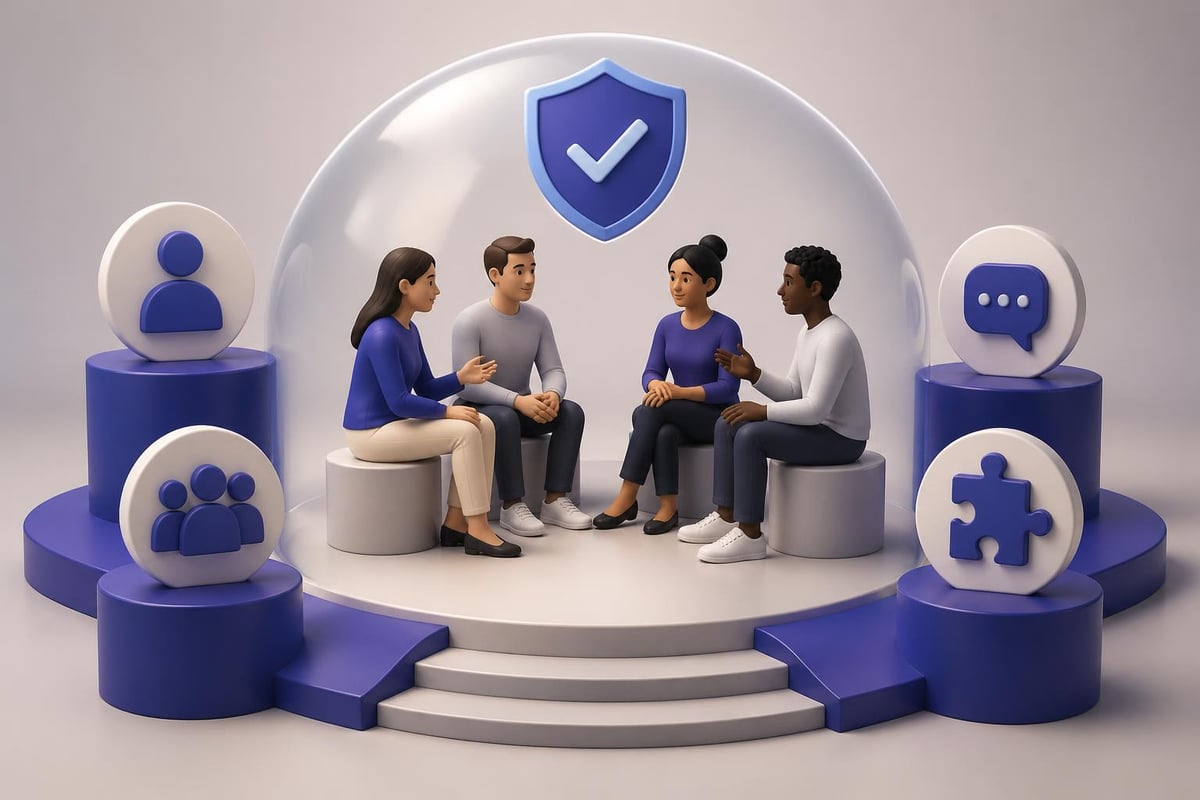
Building psychological safety requires leadership commitment to:
- Modeling vulnerability by acknowledging uncertainty and mistakes
- Responding to concerns with curiosity rather than defensiveness
- Establishing clear expectations that normalize mental health discussions
- Addressing performance issues supportively while maintaining standards
- Creating channels for anonymous feedback and concern reporting
Organizations can implement mental health awareness activities for employees that specifically target cultural transformation rather than solely providing individual interventions.
Implementation Strategies for Sustainable Impact
Effective deployment of mental wellness activities requires strategic planning, stakeholder engagement, and continuous improvement processes. Organizations frequently underestimate the change management requirements inherent in shifting workplace mental health cultures.
Assessment and Needs Identification
Workplace wellbeing assessments provide baseline data that informs program design and establishes measurement benchmarks. Professional assessments examine individual wellbeing indicators, team dynamics, organizational practices, and environmental factors contributing to mental health outcomes.
Assessment approaches include:
- Anonymous surveys measuring stress levels, burnout symptoms, and wellbeing indicators
- Focus groups exploring employee experiences and perceived needs
- Utilization analysis reviewing existing resource engagement patterns
- Risk assessments identifying psychosocial hazards within work systems
- Benchmark comparisons evaluating organizational performance against industry standards
Organizations partnering with mental health training specialists gain access to validated assessment tools and expert interpretation that translates data into actionable strategies. Resources from Workplace Mental Health Institute demonstrate how professional assessment informs targeted intervention design.
Manager Training and Leadership Development
Managers significantly influence team mental wellness through daily interactions, workload decisions, and response patterns to employee distress. Data-backed mental wellness activities achieve optimal impact when coupled with manager capability development.
Manager training should address:
- Mental health literacy including symptom recognition and appropriate responses
- Conversation skills for discussing mental health concerns supportively
- Accommodation processes for employees managing mental health conditions
- Workload management to prevent chronic stress and burnout
- Boundary respect that protects both manager and employee wellbeing
- Referral pathways connecting employees with professional resources
Trauma-informed care training equips managers to support employees who have experienced workplace or personal trauma without requiring disclosure of specific experiences. This approach recognizes trauma’s prevalence while avoiding assumptions about individual circumstances.
Program Evaluation and Continuous Improvement
Measuring mental wellness program effectiveness requires multiple data sources and longer timeframes than many organizations anticipate. Mental health improvements manifest gradually, and attribution challenges complicate direct causation claims.
| Evaluation Metric | Data Source | Collection Frequency | Primary Purpose |
|---|---|---|---|
| Participation rates | Program tracking | Monthly | Monitors engagement |
| Wellbeing scores | Employee surveys | Quarterly | Assesses outcomes |
| Absenteeism patterns | HR systems | Monthly | Identifies trends |
| Resource utilization | EAP data | Quarterly | Evaluates access |
| Employee feedback | Focus groups | Biannually | Guides refinement |
Organizations should establish realistic expectations about outcome timelines and measurement challenges. Qualitative feedback often provides the most actionable insights for program refinement, while quantitative metrics demonstrate business value to stakeholders.
Integration with Organizational Strategy
Mental wellness activities for employees achieve maximum impact when integrated with broader talent management, performance systems, and business objectives rather than existing as standalone initiatives. This integration requires executive sponsorship and cross-functional collaboration.
Strategic integration connects mental wellness to:
- Recruitment and onboarding processes that establish wellbeing expectations immediately
- Performance management systems that recognize sustainable achievement patterns
- Career development opportunities that build meaningful work experiences
- Diversity and inclusion initiatives addressing mental health disparities
- Business continuity planning that accounts for workforce psychological resilience
Organizations viewing mental wellness as integral to operational excellence rather than peripheral benefits programming develop more comprehensive and effective approaches. This perspective shift transforms mental health from individual responsibility to shared organizational commitment.
Resources from specialized training providers offer frameworks for strategic integration. Programs available through WMHI Online provide structured learning pathways for building organizational mental health capabilities systematically.
Addressing Implementation Barriers
Common obstacles to effective mental wellness programming include stigma, resource constraints, competing priorities, and measurement challenges. Successful organizations address these barriers directly rather than assuming activities alone will overcome resistance.
Stigma reduction strategies include:
- Leadership disclosure of mental health experiences when appropriate
- Language normalization through consistent, respectful communication
- Success story sharing that demonstrates recovery and resilience
- Education challenging mental health misconceptions
- Confidentiality protections that reduce disclosure risks
Budget limitations require creative solutions such as peer-led initiatives, technology leveraging, and partnership development. Organizations can implement meaningful mental wellness activities for employees within constrained resources by prioritizing high-impact interventions and utilizing internal expertise effectively.
Australian organizations seeking region-specific guidance can access tailored resources through WMHI Australia that address local regulatory requirements and cultural contexts.
Technology-Enabled Mental Wellness Solutions
Digital platforms expand mental wellness activity access, particularly for distributed workforces and employees with scheduling constraints. Technology solutions range from self-directed apps to therapist-guided digital interventions.
Considerations for technology adoption include:
- Evidence base supporting specific platforms and approaches
- Privacy protections and data security measures
- Integration with existing systems and workflows
- User experience quality and accessibility features
- Cost-effectiveness relative to traditional delivery methods
Technology complements rather than replaces human connection and professional expertise. Organizations should view digital tools as access expansion mechanisms while maintaining interpersonal support options for employees preferring traditional approaches.
Visual learning resources, such as those available on Workplace Mental Health Institute’s YouTube channel, provide accessible education on mental wellness concepts and implementation strategies.
Creating Sustainable Mental Wellness Cultures
Long-term mental health improvements require cultural transformation beyond activity implementation. Sustainable cultures embed mental wellness into organizational identity, decision-making processes, and daily operations.
Cultural indicators of mature mental wellness integration include:
- Mental health considerations in business planning and project design
- Resource allocation reflecting wellbeing as strategic priority
- Leadership accountability for team mental health outcomes
- Employee empowerment to modify work practices supporting wellness
- Continuous learning and adaptation based on emerging research
Organizations committed to cultural transformation view mental wellness activities for employees as entry points for broader system change rather than endpoints themselves. This perspective enables progressive sophistication as organizational capabilities mature.
Workplace mental health activities prove most effective when embedded within supportive cultures that value employee wellbeing authentically rather than instrumentally. Employees distinguish between organizations genuinely committed to mental health and those implementing activities for reputational purposes.
Building Internal Expertise and Capabilities
Developing internal mental health champions and trained facilitators creates sustainability and reduces dependence on external providers. Organizations can build capabilities through:
- Mental Health First Aid certification programs for volunteer employees
- Train-the-trainer models that develop internal facilitation capacity
- Communities of practice connecting mental wellness advocates
- Professional development opportunities in workplace mental health
- Partnerships with academic institutions for research collaboration
Internal expertise complements rather than replaces professional mental health services. Organizations should maintain clear distinctions between peer support, manager capability, and clinical intervention to ensure appropriate response to varying mental health needs.
Implementing effective mental wellness activities for employees requires strategic planning, sustained commitment, and integration with organizational systems and culture. Organizations that approach mental wellness systematically-through evidence-based individual activities, team interventions, and environmental modifications-create workplaces where employees can thrive psychologically while achieving business objectives. Workplace Mental Health Institute provides comprehensive training, assessment services, and strategic consultation to help organizations develop mental health capabilities that reduce absenteeism, improve performance, and build genuinely supportive workplace cultures.

