
Did you know that in 2026, 1 in 5 adults will experience mental illness each year? This reality underscores the urgent need to understand mental illness in our changing world. The purpose of this guide is to offer a clear, up-to-date resource for navigating mental illness, from recognizing symptoms to supporting those affected.
You will discover updated definitions, common types, causes, warning signs, diagnosis, modern treatments, support strategies, and the latest trends shaping mental health. Ready to take informed action? Let’s explore how you can make a positive difference for yourself and others.
Defining Mental Illness in 2026
Understanding mental illness in 2026 requires a fresh perspective. As society evolves, so does our knowledge of mental health. Definitions have expanded, new conditions have emerged, and awareness of early signs has grown. This section will clarify what mental illness means today, outline common types, highlight symptoms, and explain when to seek help.

The Evolving Definition of Mental Illness
The definition of mental illness has shifted significantly by 2026. Updates to the DSM-5-TR and ICD-11 have broadened the scope, now including a wider range of conditions. This spectrum covers mood disorders, anxiety disorders, psychotic disorders, neurodevelopmental disorders, and personality disorders.
Technology and cultural changes have also shaped how mental illness is viewed. Increased digital connectivity, greater cultural sensitivity, and social awareness have influenced diagnostic criteria. These changes allow for more nuanced understanding and recognition of mental illness, supporting individuals from all backgrounds.
Common Types of Mental Illness
Several conditions are now recognized as the most prevalent forms of mental illness. These include depression, anxiety disorders, bipolar disorder, schizophrenia, eating disorders, and substance use disorders. According to mental health statistics and facts, about 1 in 5 adults has a mental illness in any given year.
Comorbidity is common; for example, depression and substance use often occur together. Understanding these overlaps is important for early intervention and effective treatment. The recognition of these patterns helps professionals and families support those affected by mental illness.
Symptoms and Warning Signs
Recognizing the symptoms of mental illness is crucial for timely support. Emotional and cognitive symptoms may include persistent sadness, confusion, mood swings, withdrawal from social activities, and changes in sleep or appetite. Some individuals experience suicidal thoughts.
Physical symptoms are also common, such as unexplained aches and fatigue. Early warning signs should not be ignored. Identifying these symptoms can make a significant difference in the lives of people experiencing mental illness.
When and How to Seek Help
Knowing when to seek help for mental illness is vital. If symptoms interfere with daily life or relationships, professional intervention is recommended. Suicidal thoughts or self-harm require immediate action; call the 988 Suicide & Crisis Lifeline if you are in the US.
Open conversations about mental illness reduce stigma and encourage support. Reaching out to healthcare providers, trusted friends, or community resources is a strong first step. Early help can lead to better outcomes and improved quality of life for those living with mental illness.
Causes and Risk Factors of Mental Illness
Understanding the causes and risk factors of mental illness is crucial for prevention and early intervention. In 2026, research highlights the interplay of genetic, environmental, social, and emerging global challenges that shape mental health outcomes.
Biological and Genetic Factors
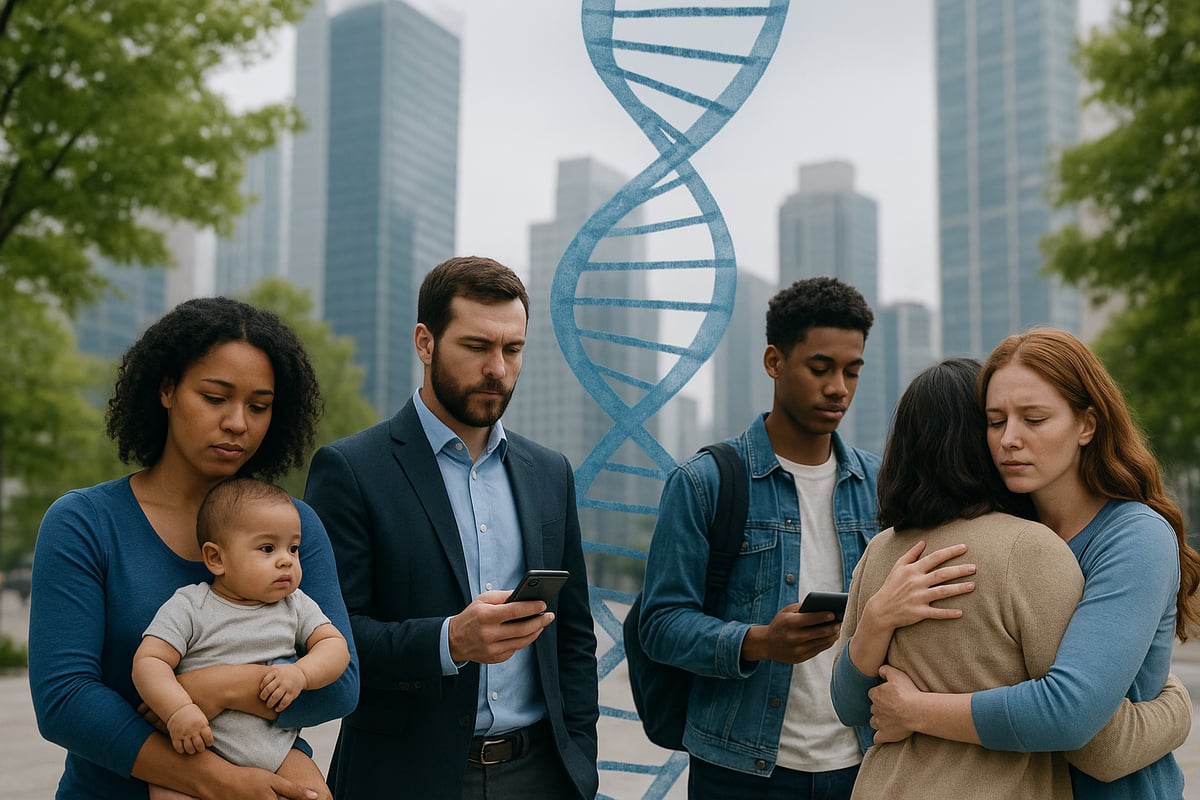
The roots of mental illness often trace back to biology and genetics. Individuals with a family history of mental illness face a higher risk due to inherited genes. Complex interactions between multiple genes, rather than a single gene, contribute to vulnerability. Brain chemistry also plays a critical role, as imbalances in neurotransmitters like serotonin and dopamine can trigger symptoms.
Additionally, exposure to toxins or infections before birth is now recognized as a significant risk factor. For example, prenatal exposure to certain viruses or substances may increase the likelihood of developing mental illness later in life. According to Mental health statistics for 2025, demographic trends and genetic predispositions continue to shape prevalence rates worldwide.
Environmental and Lifestyle Influences
Environmental and lifestyle elements shape mental illness risk across the lifespan. Traumatic experiences such as childhood abuse, neglect, or witnessing violence can have long-term effects. Major life stressors, including job loss, financial strain, or the death of a loved one, may also trigger symptoms.
Chronic medical conditions like diabetes or heart disease, as well as brain injuries, further increase vulnerability. Lifestyle choices, such as lack of physical activity, poor nutrition, and substance misuse, contribute to the risk. The quality of social support and personal relationships often determines resilience against mental illness.
Social and Cultural Contributors
Social and cultural factors play a pivotal role in mental illness risk. Social isolation, loneliness, and discrimination can worsen symptoms or even spark new ones. The digital age introduces new stressors, with increased screen time, exposure to cyberbullying, and the pressure of social media shaping mental health.
Cultural beliefs and societal stigma may prevent individuals from seeking help. Different communities may have unique barriers, such as language differences or mistrust of healthcare systems, making it harder to access support. Addressing these social and cultural contributors is essential for effective prevention.
Emerging Risk Factors in 2026
In 2026, new risk factors for mental illness have surfaced. The aftermath of global events, like pandemics and climate change, has increased anxiety and uncertainty. Workplace stress is evolving, especially with the rise of remote and hybrid work arrangements, which can blur boundaries and intensify isolation.
Trends in substance use, such as the misuse of prescription medications or the rise in vaping, are linked to higher rates of mental illness. Technology addictions, including excessive gaming and social media use, are also emerging concerns. Recognizing these evolving risks is key to building resilience and supporting mental health in the modern era.
Diagnosis and Treatment: The Modern Approach
Diagnosing and treating mental illness in 2026 requires a blend of science, technology, and compassion. As our understanding grows, so do the tools and strategies available to support individuals on their journey to wellness.

How Mental Illness is Diagnosed in 2026
The process of diagnosing mental illness in 2026 blends traditional and innovative methods. Mental health professionals follow updated criteria from DSM-5-TR and ICD-11 to ensure accuracy. Digital assessments and AI-powered symptom tracking have become common, making early identification more accessible. Comprehensive evaluations include medical, psychological, and social factors, providing a holistic view of a person's needs.
Recognizing critical symptoms is essential. If you notice signs such as persistent sadness, confusion, or withdrawal, consult a professional. For urgent concerns, especially suicidal thoughts, review Warning signs of suicide to understand when immediate help is needed. Early intervention can make a significant difference in outcomes.
Treatment Options: Medication and Psychotherapy
Treatment for mental illness in 2026 is highly personalized. Clinicians often prescribe medications such as antidepressants, antipsychotics, and mood stabilizers, tailored to individual needs. Psychotherapy remains a cornerstone of care, with approaches like cognitive behavioral therapy (CBT), dialectical behavior therapy (DBT), and mindfulness-based therapies.
A combined treatment plan is common, integrating medication and talk therapy. This approach addresses both the biological and psychological aspects of mental illness. Regular follow-ups and adjustments help ensure each person receives the most effective support for their unique situation.
Integrative and Holistic Approaches
Holistic care is increasingly valued in managing mental illness. Lifestyle interventions—such as regular exercise, balanced nutrition, and healthy sleep routines—play a vital role in improving mental health. Mindfulness practices and meditation are widely used to reduce stress and enhance emotional regulation.
Complementary therapies like yoga, art therapy, and animal-assisted therapy offer additional avenues for healing. These integrative strategies support overall wellbeing and empower individuals to take an active role in their mental health journeys.
Digital Mental Health Innovations
Technology is transforming how mental illness is managed and treated. Telepsychiatry and virtual therapy platforms provide accessible care, regardless of location. Mental health apps allow users to track mood, practice meditation, and access crisis support 24/7.
AI-driven chatbots assist with self-help strategies and offer guidance between appointments. These digital tools bridge gaps in traditional care, making support available whenever it is needed. Innovations continue to expand, offering hope for more personalized and timely interventions.
Overcoming Barriers to Care
Despite advances, barriers to mental illness care persist. Stigma and misinformation still discourage many from seeking help. Efforts to improve access include insurance parity, expanding community clinics, and increasing the availability of online resources.
Special attention is given to marginalized and underserved populations, ensuring culturally sensitive and affordable care. Overcoming these challenges requires collaboration among healthcare providers, policymakers, and communities. By addressing barriers, more people can receive the support they need to thrive.
Supporting Individuals with Mental Illness
Supporting individuals with mental illness requires empathy, practical knowledge, and a commitment to fostering safe environments. As awareness of mental illness improves in 2026, understanding how to provide effective support is essential for families, friends, colleagues, and communities. This section explores concrete ways to help, from daily interactions to crisis intervention, emphasizing proactive strategies that make a real difference.
Providing Emotional and Practical Support
Talking to someone about mental illness can be challenging, but honest, compassionate communication is key. Start by expressing concern and listening without judgment, giving the person space to share their feelings. Avoid making assumptions or offering unsolicited advice. Instead, ask how you can help and respect their choices.
Practical support matters too. Offer to accompany them to appointments or help manage daily tasks when needed. Encourage seeking professional help, and provide information about available resources. Remember, even small gestures—like regular check-ins—can have a significant impact on someone coping with mental illness.
Building a Supportive Environment
Creating an environment that supports those living with mental illness involves intentional actions at home, work, and in the community. Prioritize safety and comfort by reducing stressors and triggers, such as loud noises or overwhelming situations. Promote open dialogue and respect for personal boundaries.
In community spaces, advocate for policies that foster inclusion and accessibility. Small adjustments, like flexible work arrangements or quiet zones, can make a big difference. By modeling acceptance and encouraging others to do the same, you help build a culture where mental illness is understood and supported.
Workplace Support and Mental Health
Employers play a crucial role in supporting employees with mental illness. Offering mental health training for managers and staff raises awareness and equips teams with practical skills. Resilience programs and regular wellbeing assessments create a proactive approach, helping to identify issues early.
Trauma-informed care in the workplace ensures employees feel safe and valued. Encourage open conversations about mental illness and provide access to employee assistance programs. By fostering a supportive culture, organizations can reduce absenteeism, boost productivity, and create a healthier work environment for all.
Workplace Mental Health Institute: Enhancing Support in the Workplace
The Workplace Mental Health Institute (WMHI) leads the way in workplace mental illness support through psychologist-designed training and consultancy. WMHI programs help both managers and employees develop practical skills for addressing mental health challenges at work.
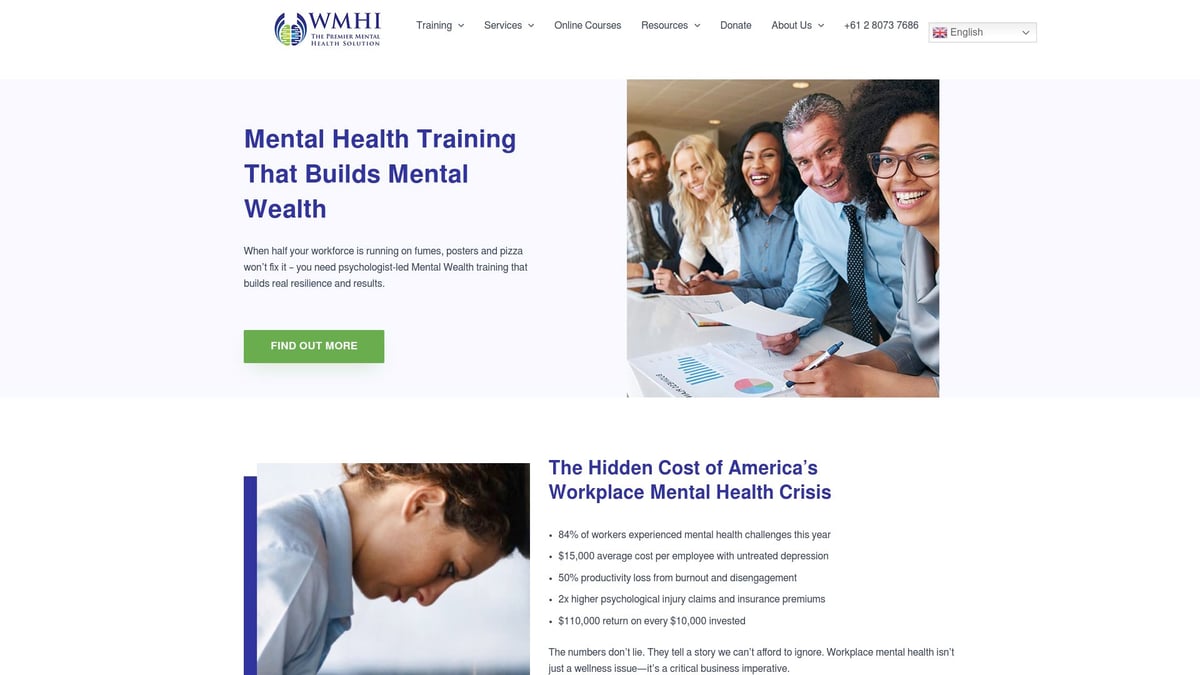
Evidence shows their initiatives reduce absenteeism by 33 percent, cut depression rates by 79 percent, and increase overall wellbeing by 282 percent. With flexible delivery options—face-to-face, virtual, and multilingual—WMHI customizes solutions for organizations worldwide, regardless of size or industry. Their expertise ensures mental illness support is effective and accessible.
Crisis Intervention and Suicide Prevention
Recognizing when someone with mental illness is in crisis is vital. Warning signs include talk of suicide, self-harm, or sudden withdrawal from daily life. If you notice these, act immediately: call 988 in the US, contact mental health professionals, or reach out to trusted friends or family.
Immediate and ongoing support saves lives. For practical steps on what to do in a crisis, consult a mental health first aid guide. Open communication, follow-up, and access to resources are essential for supporting recovery and preventing future crises.
Reducing Stigma and Promoting Mental Health Awareness
Understanding and Challenging Stigma
Stigma around mental illness remains a major barrier to seeking help, even in 2026. Stigma involves negative attitudes, prejudice, and discrimination toward people with mental illness. These attitudes can lead to exclusion in workplaces, schools, and social circles.
The impact of stigma is far-reaching. Individuals may hesitate to disclose their struggles for fear of judgment, which can worsen symptoms. Social isolation, reduced career opportunities, and reluctance to access care are common consequences. Examples include workplace discrimination and harmful stereotypes in media, both of which reinforce misunderstandings about mental illness.
Recognizing the presence and effects of stigma is the first step toward change. Open discussions and education are vital for breaking down these barriers.
Strategies for Reducing Stigma
Overcoming stigma connected to mental illness requires ongoing, multi-level efforts. Education and awareness campaigns inform the public, dispelling myths and replacing them with facts. Sharing personal stories, whether in person or through digital platforms, helps to humanize mental illness and foster empathy.
Advocacy by organizations, schools, and community leaders is critical. They can implement programs that encourage open dialogue and provide resources. For actionable ways to address workplace stigma, see these strategies to break mental health stigma.
Effective approaches include:
- Mental health literacy programs in schools and workplaces
- Encouraging employees and students to share experiences
- Highlighting positive recovery stories
By normalizing conversations and promoting understanding, these strategies create a supportive environment for anyone facing mental illness.
The Role of Media and Technology
Media and technology play a powerful role in shaping perceptions of mental illness. News outlets, films, and online platforms can either reinforce harmful stereotypes or challenge them through accurate representation. Responsible reporting is essential, as sensationalism or negative portrayals can increase stigma.
Positive use of social media helps raise awareness and connect individuals to support. Campaigns that highlight lived experiences and share educational content foster a sense of community. Technology also enables mental illness awareness to reach broader audiences, making resources more accessible.
However, misinformation and negative portrayals can still spread quickly online. It is important for media professionals and users to promote responsible, factual, and compassionate narratives.
Community Initiatives and Support Networks
Community-based efforts are vital for reducing stigma around mental illness. Peer support groups offer safe spaces for sharing experiences and building resilience. Local organizations and online communities provide education, resources, and a sense of belonging.
Programs such as Mental Health First Aid give people the skills to support others in crisis. Public workshops and outreach events help increase awareness and reduce fear or misunderstanding. Inclusive, culturally sensitive approaches ensure that support reaches all members of the community, regardless of background.
By working together, communities can foster acceptance and empower individuals with mental illness to seek help and thrive.
The Future of Mental Health: Trends and Innovations for 2026
The landscape of mental illness is changing rapidly, shaped by groundbreaking research, digital advancements, policy shifts, and community-focused strategies. As we look ahead to 2026, understanding these trends is crucial for anyone invested in mental wellbeing, whether personally or professionally.
Advances in Research and Treatment
In 2026, mental illness research is driving a new era of personalized care. Scientists are uncovering genetic markers and neurobiological pathways that influence conditions like depression and schizophrenia. This knowledge leads to precision psychiatry, where treatments are tailored to an individual's unique biology.
Clinical trials are now exploring innovative therapies, such as neuromodulation and rapid-acting medications. These advances promise faster relief and fewer side effects. Researchers also focus on early identification, aiming to detect mental illness before symptoms fully emerge. This proactive approach is transforming the outlook for millions, offering hope and improved outcomes.
Technology’s Role in Mental Health
Technology is revolutionizing how mental illness is understood, diagnosed, and managed. Artificial intelligence assists clinicians by analyzing patterns in speech, behavior, and biometrics, enabling earlier and more accurate diagnoses. Virtual reality therapy immerses patients in controlled environments, helping treat phobias and trauma.
Telehealth platforms break down barriers, connecting people to care regardless of location. Mobile apps offer daily support, from guided meditation to crisis intervention. These digital innovations are making mental illness care more accessible, personalized, and effective than ever before.
Policy, Advocacy, and Global Health
Addressing mental illness at a global scale requires systemic change. Governments are investing in mental health parity, ensuring insurance covers psychological care on par with physical health. International collaborations focus on closing treatment gaps and standardizing best practices.
Awareness of regional disparities grows, with global mental health crisis statistics revealing that access and outcomes vary widely. Advocacy groups push for funding, research, and anti-stigma campaigns. Together, these efforts are shaping a more equitable future for mental illness care worldwide.
Building Resilient Communities
Building resilience is key to preventing and managing mental illness in 2026. Schools integrate social-emotional learning, teaching children coping skills and emotional intelligence. Workplaces offer resilience training and peer support, empowering employees to manage stress.
Community organizations foster connection through support groups and outreach programs. Early intervention and prevention are prioritized, helping individuals and families address mental illness before it escalates. By strengthening these networks, societies are better equipped to promote mental wellbeing for all.
As we've explored, understanding mental illness in 2026 means staying informed about new definitions, emerging risk factors, and the best ways to support ourselves and those around us—especially in the workplace. If you want practical strategies to improve mental wellbeing for your team, or you're curious about how tailored training and resilience programs can make a measurable difference, you're not alone. Let’s take the next step together toward building a healthier, more supportive work environment.
Find Out More

