
Mental health issues affect people across all stages of life and can influence emotional wellbeing, relationships, work, and daily functioning. As awareness grows and stigma continues to decline, more people are seeking reliable information and practical pathways to support. At the same time, advances in research, digital tools, workplace strategies, and approaches to prevention and early intervention are expanding the ways mental health issues can be understood and addressed.
Navigating mental health issues requires access to trustworthy information, awareness of available support options, and an understanding of when professional help may be appropriate. This guide explores symptom recognition, support options, digital resources, workplace strategies, resilience-building approaches, and practical steps for managing mental health challenges.
Understanding the Evolving Landscape of Mental Health Issues
The landscape of mental health issues continues to evolve as research, public awareness, and digital innovation influence how mental health is understood and supported. Greater recognition of the factors that affect mental wellbeing is also encouraging more comprehensive approaches that include prevention, early intervention, treatment, recovery, and ongoing support.

Shifting Definitions and New Diagnoses
Since 2020, the concept of mental health issues has expanded significantly. The pandemic brought trauma and stress into sharper focus, leading to new understandings of what constitutes mental wellbeing. The DSM-5-TR and ICD-11 have introduced fresh diagnoses, reflecting the complexity of modern life. Notably, conditions like eco-anxiety and digital addiction have gained recognition. These updates help clinicians better identify and support people facing challenges once overlooked. As definitions evolve, so does the language we use, encouraging a broader and more inclusive conversation about mental health issues.
Global and Regional Trends
Recent data highlights that by 2026, one in four people globally is expected to experience mental health issues. However, prevalence and access to care vary considerably between regions. In some countries, stigma remains a significant barrier, while others have made strides in public education and support services. Socioeconomic factors, remote work trends, and ongoing global crises all influence mental health outcomes. For a deeper dive into these patterns, see Mental Health Statistics and Trends. Understanding these differences is crucial for developing effective, culturally sensitive interventions.
Advances in Research and Treatment
Research in neuroscience and pharmacology is yielding breakthroughs that promise more effective care for mental health issues. Personalized and precision mental health care is on the rise, with treatments tailored to individual genetics and life circumstances. New therapies such as digital cognitive behavioral therapy (CBT) and psychedelic-assisted therapy are gaining traction. These advances offer hope for those who have not responded to traditional approaches. As the science evolves, so do the strategies for addressing a wide spectrum of mental health issues.
The Role of Technology and Social Media
Technology is a double-edged sword in the realm of mental health issues. Telehealth and online support platforms have expanded access, especially for people in remote or underserved areas. At the same time, the rise of cyberbullying and doomscrolling presents new challenges. Studies continue to link heavy social media use with increased rates of anxiety and depression. Navigating these digital landscapes requires awareness and balance, as technology can both alleviate and exacerbate mental health issues.
Ongoing Stigma and Barriers
Despite growing awareness, stigma around mental health issues persists. Cultural myths and misinformation can prevent individuals from seeking help. Disparities in care access remain, particularly for marginalized groups. Data shows that many still face obstacles such as cost, lack of local services, or fear of discrimination. Breaking down these barriers requires ongoing education, advocacy, and policy change to ensure everyone can access the support they need.
The Importance of Early Intervention
Early recognition and treatment of mental health issues lead to significantly better outcomes. Studies consistently show that timely support reduces the risk of chronic problems and improves long-term wellbeing. Schools, workplaces, and communities are increasingly emphasizing early intervention strategies. By identifying symptoms and providing help early, we can change the trajectory for countless individuals facing mental health issues in 2026.
Recognizing the Signs: Symptoms and Early Warning Signals
Understanding the early signs of mental health issues can support timely recognition, appropriate intervention, and access to professional help. Symptoms can vary considerably between individuals, and changes in behaviour, mood, physical health, or daily functioning may sometimes indicate that additional support is needed.

Common Signs of Mental Health Issues
Mental health issues can present in many different ways. Depression may involve persistent sadness, loss of interest or pleasure, changes in sleep or appetite, low energy, difficulty concentrating, or feelings of hopelessness. Anxiety may involve excessive or persistent worry, restlessness, irritability, difficulty concentrating, sleep disturbances, or physical symptoms such as a racing heartbeat.
Emerging concerns such as eco-anxiety and problematic or compulsive digital use may also affect wellbeing, although these experiences should not automatically be treated as standalone mental health disorders. Their impact can include persistent worry, difficulty disengaging from distressing information, disrupted sleep, or interference with daily activities.
Signs can also vary across different stages of life. Children may show increased irritability, changes in behaviour, or difficulties at school. Adolescents may experience withdrawal, changes in relationships, sleep disruption, or risky behaviour. Adults may notice changes in mood, sleep, concentration, work performance, or social engagement, while older adults may experience changes in mood, behaviour, cognition, or daily functioning.
No single symptom confirms a mental health condition. Persistent or significant changes that interfere with everyday life warrant attention and, where appropriate, discussion with a qualified health professional.
| Age Group | Common Symptoms |
|---|---|
| Children | Irritability, school refusal |
| Teens | Withdrawal, self-harm |
| Adults | Insomnia, lack of motivation |
| Seniors | Confusion, apathy |
Recognizing these differences is key to addressing mental health issues promptly.
Subtle and Overlooked Signs
Not all mental health issues announce themselves clearly. Subtle symptoms like irritability, unexplained aches, or changes in sleep patterns are often missed. For example, someone who becomes unusually quiet or starts avoiding activities may be struggling.
Case studies show that early signs can include frequent headaches, social withdrawal, or a sudden drop in work or school performance. These overlooked signals are especially common in high-functioning individuals, making it vital to stay observant.
By being attentive to these nuances, we create more opportunities for early intervention and reduce the risk of escalation.
When to Seek Professional Help
Distinguishing between everyday stress and clinical mental health issues can be challenging. Persistent symptoms lasting more than two weeks, significant changes in mood, or thoughts of self-harm are clear indicators that professional support is needed.
Delays in seeking help are still common, often leading to worsening conditions and longer recovery times. Recognizing crisis warning signs, such as those outlined in Recognizing Suicide Warning Signs, can be life-saving.
Seeking help early leads to better outcomes and reduces the long-term impact of mental health issues.
Self-Assessment Tools and Resources
Validated self-assessment and screening tools are widely available online and can help individuals identify possible signs of depression, anxiety, and other mental health issues. These tools can provide a useful starting point for increasing awareness and deciding whether further support may be appropriate.
However, screening tools have important limitations. A screening result does not provide a diagnosis or confirm the presence of a mental health condition. Symptoms can have different causes, and a qualified health professional can provide a more comprehensive assessment when concerns persist or significantly affect daily life.
Use self-assessment tools as a starting point for reflection and awareness, rather than as a substitute for professional evaluation. When appropriate, seek guidance from a qualified health professional to better understand your concerns and explore suitable support options.
The Role of Family and Friends
Family and friends play a crucial role in identifying early warning signs of mental health issues. Loved ones are often the first to notice subtle changes, such as withdrawal from social activities, irritability, or shifts in daily routines.
Effective support includes expressing concern, offering to help find resources, and encouraging open conversations. In many cases, early intervention by a trusted person leads to quicker recovery and reduces the stigma around mental health issues.
By staying engaged and supportive, families and friends can be powerful allies in the journey toward better mental health.
Steps to Seeking Help: Navigating the Mental Health System
Seeking support for mental health issues can feel overwhelming, especially as the mental health system evolves. Understanding the steps involved can empower individuals to access effective care and improve outcomes. Here is a practical roadmap for navigating mental health issues in 2026.

Step 1: Acknowledging the Need for Support
The first step in addressing mental health issues is recognizing when support is needed. Many people experience denial or minimize their symptoms, which can delay recovery. Research shows that self-awareness and breaking through stigma are crucial for positive outcomes.
If you notice ongoing changes in mood, behavior, or daily functioning, it is important to acknowledge these signs. Early recognition of mental health issues allows for timely intervention and improved wellbeing. Remember, seeking help is a sign of strength, not weakness.
Step 2: Exploring Support Options
Once you have acknowledged the presence of mental health issues, the next step is to explore available support. There are various types of mental health professionals, including psychiatrists, psychologists, counselors, and peer support workers.
Different therapy modalities suit different needs. Cognitive Behavioral Therapy (CBT), Acceptance and Commitment Therapy (ACT), group therapy, and teletherapy are widely used in 2026. Consider your preferences and needs when choosing an approach for your mental health issues.
A simple comparison table:
| Professional Type | Focus | Typical Approach |
|---|---|---|
| Psychiatrist | Medical | Medication, diagnosis |
| Psychologist | Therapy | CBT, assessments |
| Counselor | Support | Talk therapy, guidance |
| Peer Support | Lived experience | Mutual support |
Step 3: Accessing Care
Accessing care for mental health issues is easier than in previous years, thanks to digital advancements and expanded services. Online directories, telehealth platforms, and community clinics help connect people to the right professionals.
Since 2020, virtual therapy and digital mental health tools have made support more accessible, especially in remote areas. International organizations, such as the WHO’s Comprehensive Mental Health Action Plan 2013–2030, have highlighted the urgent need to scale up services and close treatment gaps worldwide.
When searching for care, consider your location, language, and cultural needs. Many providers now offer flexible appointment times and virtual sessions to accommodate diverse schedules.
Step 4: Navigating Insurance and Financial Barriers
Financial concerns are often a significant barrier to addressing mental health issues. In 2026, changes in both public and private insurance have improved coverage for mental health services in many regions.
Check your insurance policy for mental health benefits, including coverage for therapy, medication, and telehealth. Some countries provide subsidies or public programs to reduce out-of-pocket costs for mental health issues. If you encounter financial barriers, ask providers about sliding scale fees or payment plans.
Step 5: Building a Support Network
A strong support network is vital when managing mental health issues. Support groups, online communities, and peer-led initiatives offer connection and understanding from others with similar experiences.
Joining a support group can reduce feelings of isolation and provide practical advice. Online forums and moderated communities have grown rapidly, allowing people to share stories and coping strategies. Family and friends are also important allies in your journey with mental health issues.
Step 6: Advocating for Yourself or Others
Advocacy is essential for effective treatment of mental health issues. Communicate openly with healthcare providers about your symptoms, treatment goals, and preferences. Understand your rights regarding confidentiality and informed consent.
If you are supporting a loved one, help them prepare questions for appointments and encourage them to express their needs. In the workplace, knowing your rights and discussing accommodations can make a significant difference for those facing mental health issues.
Step 7: Following Up and Adjusting Treatment
Mental health issues often require ongoing evaluation and adjustment of care plans. Regular follow-up appointments help track progress and address any side effects or new symptoms.
Treatment for mental health issues may evolve over time, with changes in therapy approach, medication, or support network. Stay engaged with your care team, and do not hesitate to seek a second opinion if needed. Flexibility and persistence are key to long-term recovery.
Leveraging Digital Tools and Technology for Mental Health
The digital revolution has dramatically transformed how we address mental health issues. In 2026, technology provides both new opportunities and unique challenges for those seeking support. With rapid innovation, individuals now have access to personalized tools and resources that were unimaginable just a few years ago.
The Rise of Mental Health Apps and Platforms
Mental health apps have become a cornerstone for managing mental health issues. These platforms offer a range of services, from guided meditation and mood tracking to cognitive behavioral therapy (CBT) modules and crisis support.
Popular apps now feature AI-driven personalization, daily check-ins, and instant access to professional advice. For those seeking to understand what constitutes mental health issues, many of these tools reference foundational concepts, as seen in Understanding Mental Health Definitions. This clarity helps users identify and address their unique needs.
With over one billion downloads globally, mental health apps are used by people of all ages. User feedback highlights increased engagement, improved symptom tracking, and greater self-awareness.
Teletherapy and Virtual Support
Teletherapy has revolutionized access to care for people facing mental health issues. Virtual sessions allow individuals to connect with licensed therapists from the comfort of their own home, eliminating travel barriers and reducing wait times.
In rural and remote areas, teletherapy has closed longstanding gaps in mental health support. Privacy settings and secure video platforms ensure that sessions remain confidential and safe. Recent studies report high satisfaction rates, with users noting flexibility and convenience as key benefits.
Virtual support groups have also gained traction, offering real-time peer connection and professional facilitation. These resources are especially valuable for those hesitant to seek help in person.
AI and Personalized Mental Health Care
Artificial intelligence is reshaping how mental health issues are monitored and treated. AI-powered tools can analyze speech patterns, text inputs, and behavior data to flag early warning signs of distress.
Personalized interventions, such as tailored CBT exercises or mood-boosting activities, are delivered based on individual symptom profiles. Studies in 2026 reveal that AI-driven care increases engagement and leads to earlier intervention, improving outcomes across diverse populations.
Chatbots now provide immediate, empathetic responses for those in crisis, guiding users to appropriate resources. AI also assists clinicians by tracking progress and suggesting adjustments to care plans.
Online Peer Support and Community Resources
Online forums and moderated communities play a vital role in supporting those with mental health issues. These spaces offer a sense of belonging, reduce isolation, and allow for the sharing of lived experiences.
Benefits include 24/7 accessibility, anonymity, and diverse perspectives. Moderated groups ensure safety and foster respectful, constructive dialogue. However, users should be mindful of misinformation and seek guidance from professionals when in doubt.
Many individuals find that combining online peer support with formal treatment leads to better outcomes, especially during periods of high stress or transition.
Digital Safety and Data Privacy
As digital tools for mental health issues proliferate, data privacy becomes a top priority. Users are encouraged to choose platforms with strong encryption, transparent data policies, and clear consent procedures.
To safeguard sensitive information, review app permissions regularly and avoid sharing personal details in unmoderated forums. Trusted platforms will always explain how your data is used and provide options to control sharing.
Staying informed and vigilant helps ensure that digital innovation continues to empower, rather than endanger, those seeking support for mental health issues.
Mental Health in the Workplace: Challenges and Solutions
The workplace of 2026 is vastly different from what it was just a few years ago. Organizations are facing new and complex mental health issues that require agile solutions and a strong commitment to employee wellbeing. As the boundaries between work and home blur, the need for robust mental health strategies has never been greater.
The Changing Nature of Work and Its Impact on Mental Health
Hybrid work models, the rise of the gig economy, and ongoing job insecurity have reshaped how people experience mental health issues at work. Employees are expected to be more adaptable, which often leads to increased stress and blurred work-life boundaries.
Recent data highlights that nearly 60% of employees globally report heightened stress and anxiety related to workplace changes. These shifts have made it more important than ever to understand how mental health issues evolve within diverse work settings.
| Work Factor | Stress Prevalence | Common Mental Health Issues |
|---|---|---|
| Remote/Hybrid Work | 68% | Anxiety, Isolation, Burnout |
| Gig Economy | 55% | Financial Stress, Depression |
| Job Insecurity | 72% | Sleep Problems, Chronic Stress |
Recognizing and Addressing Burnout
Burnout is a growing concern as workloads intensify and expectations rise. Burnout is defined by chronic exhaustion, reduced productivity, and feelings of detachment. Burnout is often mistaken for general fatigue, but it is a distinct mental health issue that can lead to long-term consequences if not addressed.
Key symptoms to watch for include:
- Persistent tiredness, despite adequate rest
- Emotional numbness or cynicism about work
- Declining work performance
The business impact of burnout is significant, resulting in decreased productivity and increased turnover. Recognizing burnout early is vital for preventing more severe mental health issues among staff.
Building a Supportive Workplace Culture
A supportive workplace culture is essential for preventing and managing mental health issues. Employers are now investing in strategies that promote psychological safety and open dialogue about mental health. These include regular wellbeing check-ins, flexible scheduling, and access to confidential support services.
Practical actions for fostering support:
- Encourage open conversations about mental health issues
- Provide clear information on available resources
- Recognize and celebrate resilience and recovery
By normalizing these practices, organizations can reduce stigma and make it easier for employees to seek help for mental health issues.
The Role of Leaders and Managers
Leaders and managers play a pivotal role in shaping the workplace response to mental health issues. Mental health training equips managers to recognize early warning signs, respond with empathy, and direct team members to appropriate support.
Case studies show that when managers are trained in mental health awareness, teams report higher job satisfaction and lower absenteeism. Leadership support is crucial for integrating mental health strategies across all levels of an organization and reducing the impact of mental health issues on performance.
How Comprehensive Workplace Training Improves Mental Health Outcomes
Psychologist-led workplace training offers practical skills for managers and employees to address mental health issues with confidence. These programs focus on resilience, trauma-informed care, and effective communication about mental health.
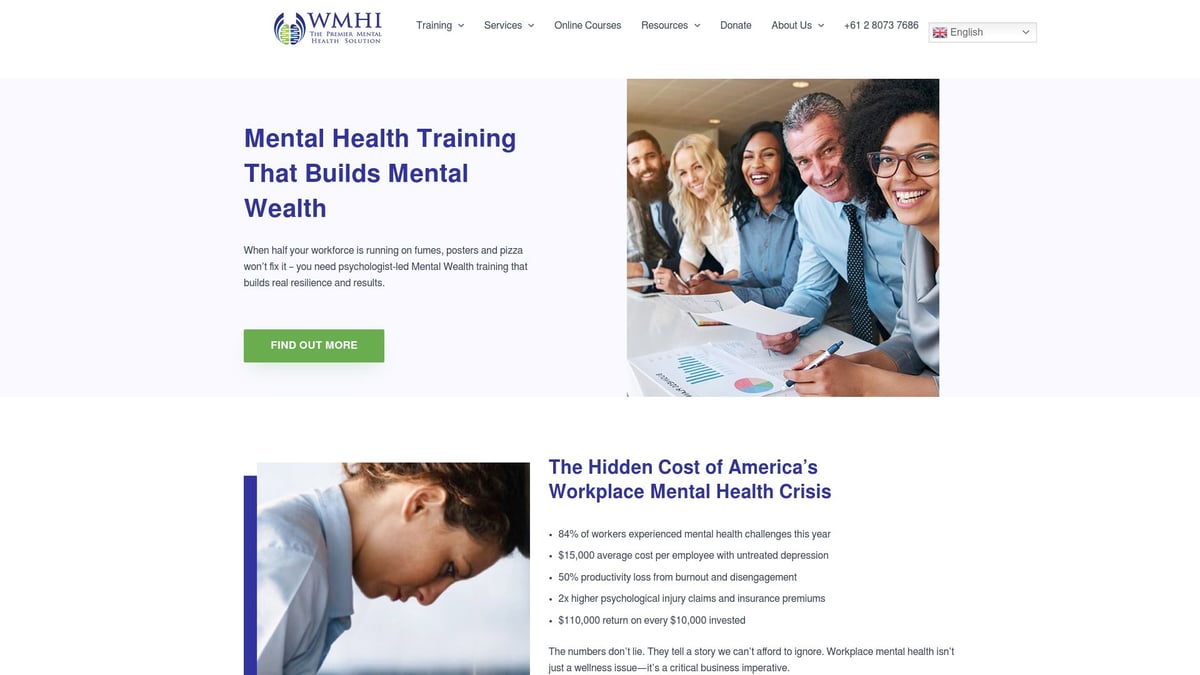
Evidence shows that organizations investing in tailored, strengths-based training see:
- Reduced absenteeism and psychological injury claims
- Improved employee wellbeing metrics
- Greater engagement and productivity
Flexible delivery options, including in-person, virtual, and hybrid formats, ensure accessibility for all staff. Ongoing training and strategy development are key for organizations to create lasting change and support employees facing mental health issues.
Legal and Ethical Considerations
Employers must navigate an evolving landscape of legal obligations related to mental health issues. Updated workplace mental health laws require organizations to provide reasonable accommodations, maintain confidentiality, and enforce anti-discrimination policies.
Key employer responsibilities include:
- Ensuring fair access to mental health support
- Protecting employee privacy
- Providing training on workplace rights and responsibilities
By prioritizing these legal and ethical standards, employers can create a safer, more inclusive environment for all employees facing mental health issues.
Building Personal Resilience and Long-Term Mental Wellbeing
Building personal resilience is essential for navigating mental health issues. As our understanding of wellbeing evolves, new research highlights how adaptable the human mind can be. This section explores the science behind resilience, practical strategies for daily life, the power of community, and the importance of ongoing support for lasting mental health.
The Science of Resilience
Recent advances in neuroscience reveal that our brains remain adaptable throughout life thanks to neuroplasticity. This means that with the right habits, anyone can strengthen their ability to cope with mental health issues. Studies show that resilience training programs can significantly reduce symptoms of anxiety and depression, while boosting overall wellbeing.
Research also demonstrates that learning to manage stress, reframe negative thoughts, and build coping skills leads to measurable improvements in mental health. As more people face global uncertainty, resilience is seen as both a protective factor and a skill that can be developed at any age.
Practical Strategies for Everyday Resilience
Building resilience is not just about theory, it requires action. Simple daily habits make a real difference when dealing with mental health issues. Here are some evidence-based strategies:
- Practice mindfulness and meditation for greater emotional balance.
- Prioritize regular physical activity to support brain health.
- Foster social connections through family, friends, or community groups.
- Maintain good sleep hygiene with consistent routines.
- Set realistic goals and celebrate small achievements.
For more in-depth guidance, check out Building Personal Resilience, which offers step-by-step techniques proven to help manage and prevent mental health issues.
The Role of Community and Social Support
Having a strong support system is a key buffer against mental health issues. Community involvement, volunteering, and a sense of belonging all contribute to greater resilience. Studies in 2026 confirm that people with robust social networks experience lower rates of depression and anxiety.
Whether joining a local group or participating in online forums, staying connected helps individuals feel supported during difficult times. Even small acts of kindness or shared interests can make a meaningful impact on mental wellbeing.
Preventing Relapse and Managing Chronic Conditions
Long-term management of mental health issues requires ongoing attention and self-care. Relapse prevention strategies include regular check-ins with healthcare providers, sticking to maintenance therapy, and monitoring early warning signs.
Developing a personalized self-care plan, which may involve journaling, exercise, or creative activities, can help manage chronic conditions. Proactive steps and early intervention are crucial for minimizing setbacks and maintaining progress.
Embracing Hope and Growth After Adversity
Many people discover new strengths and a deeper sense of purpose after overcoming mental health issues. This phenomenon, known as post-traumatic growth, is supported by positive psychology research. Individuals who reflect on their experiences and seek meaning often show increased optimism, compassion, and resilience.
Stories of hope and transformation inspire others facing similar challenges, proving that recovery is possible and growth can emerge from adversity.
Accessing Ongoing Resources and Support
Sustaining mental health and resilience is an ongoing journey. Reliable support is available through helplines, online courses, and community programs. Exploring resources such as https://thewmhionline.com can empower individuals to take charge of their mental health issues and continue building resilience.
Engaging with these tools and seeking help when needed ensures that support is always within reach, making long-term wellbeing more attainable for everyone.
As we’ve explored, understanding mental health in 2026 means staying informed about evolving symptoms, treatment options, and the growing importance of workplace wellbeing. If you’re ready to support yourself or your team with practical, evidence-based strategies—like resilience training, trauma-informed care, and expert-led workplace programs—there’s never been a better time to take action. You don’t have to navigate these changes alone. Let’s empower ourselves and our workplaces with the right knowledge and resources for lasting wellbeing. If you’d like to dive deeper or discover how tailored solutions can help, Find Out More.

