
In 2026, nearly 20% of adults worldwide reported experiencing a mental health challenge, highlighting the urgent need for clarity around the mental health definition. This guide aims to deliver the latest, evidence-based insights on what mental health means today and how wellbeing is understood in modern society.
Mental health impacts every area of life, from personal relationships to workplace performance and community involvement. Understanding the mental health definition is now more vital than ever, as it shapes how we approach support, prevention, and growth.
Throughout this guide, you will discover how definitions have evolved, what truly shapes wellbeing, and which future trends matter most. Ready to take actionable steps toward better mental health? Start by exploring each section and applying these insights in your daily life.
The Evolving Definition of Mental Health in 2026
Understanding the mental health definition in 2026 requires a look at its evolution over time. Mental health is now recognized as vital for everyone, not just those diagnosed with a condition. The definition has broadened, reflecting changes in science, society, and global priorities. Let’s explore how this transformation shapes our understanding today.

Historical Perspective and WHO’s Role
The mental health definition has changed dramatically from the early 20th century to today. Originally, mental health was seen simply as the absence of mental illness. Over the decades, the World Health Organization (WHO) has played a central role in shaping a more dynamic view.
In 2026, WHO’s definition highlights “a state of mental well-being that enables people to cope with stresses, realize abilities, learn, work, and contribute.” This shift marks a move from only treating illness to promoting wellbeing. Recent statistics show that 1 in 5 adults worldwide experience mental health problems each year, emphasizing the need for a broader mental health definition that serves everyone.
Expanding the Scope: Beyond Disorders
Today’s mental health definition goes beyond diagnosing conditions. It includes emotional, psychological, and social wellbeing, recognizing that mental health is about thriving, not just surviving.
For example, managing stress, building resilience, and maintaining strong relationships are essential parts of mental health. This proactive approach encourages individuals to seek wellbeing before issues arise. If you want to dive deeper into how the mental health definition now encompasses these broader elements, the concept of Mental Wealth Explained offers a holistic perspective.
The Impact of Culture, Technology, and Society
Culture, technology, and society have all shaped the mental health definition in 2026. Social media and global connectivity have increased awareness, while remote work has changed how people experience daily stress and support.
Digital platforms, such as telehealth and mental health apps, now play a vital role in care. These tools make support more accessible, but they also introduce new challenges like screen fatigue and digital privacy. As these influences grow, the mental health definition continues to adapt, reflecting our changing world.
Individual, Community, and Societal Wellbeing
A modern mental health definition recognizes that wellbeing exists on multiple levels. Individual mental health is deeply connected to community and societal health.
Community resilience programs, workplace initiatives, and government policies all contribute to collective wellbeing. As a result, there is a rising focus on equity, access, and inclusivity in mental health care. This broader perspective ensures that the mental health definition addresses barriers and opportunities for all groups.
The Language of Mental Health: Myths, Facts, and Stigma
Language shapes how we view mental health. Many still believe myths, such as “mental health conditions are rare” or “people can just snap out of it.” In reality, mental health conditions are common and treatable, and seeking help is a sign of strength.
Using conscious, inclusive language in 2026 is essential for reducing stigma and supporting a positive mental health definition. Fact-based communication helps create a culture where everyone feels safe to discuss and prioritize their wellbeing.
| Myth | Fact |
|---|---|
| Mental health conditions are uncommon | 1 in 5 adults experience them each year |
| Only severe cases need attention | Early support benefits everyone |
| Mental health is separate from wellbeing | Wellbeing is central to the definition |
Key Components of Mental Wellbeing
Understanding the key components of mental wellbeing is essential for a complete mental health definition in 2026. These elements form the foundation of how individuals function, relate, and thrive in their personal and professional lives. Modern perspectives highlight that wellbeing is multidimensional, involving emotional, psychological, social, cognitive, behavioral, and physical factors.

Emotional, Psychological, and Social Health
Emotional, psychological, and social wellbeing are at the heart of any modern mental health definition. Emotional health involves recognizing, expressing, and managing feelings constructively. Psychological wellbeing is about self-acceptance, positive self-image, and the ability to set and achieve goals.
Social wellbeing reflects how we connect and build healthy relationships. Examples include effectively communicating, offering empathy, and maintaining supportive networks. Self-awareness and empathy are vital in all three dimensions.
To explore these pillars in depth, visit Emotional and Mental Wellness for practical strategies and insights.
Cognitive and Behavioral Aspects
A comprehensive mental health definition includes cognitive and behavioral factors. Cognitive health refers to patterns of thinking, such as flexibility, optimism, and the ability to solve problems. Behavioral health relates to how actions align with thoughts and emotions.
Adaptive coping is crucial—responding to stress with mindfulness, seeking support, or reframing challenges. Real-life scenarios might involve managing anxiety during transitions or bouncing back from setbacks. These skills support resilience and long-term wellbeing.
Physical Health and Its Connection
Physical health is inseparable from a robust mental health definition. Research shows that conditions like depression often have physical symptoms, including fatigue or pain. Conversely, chronic physical illnesses can increase the risk of mental health challenges.
A holistic approach to wellbeing means considering sleep, nutrition, and physical activity. For example, regular exercise has been shown to lower depression risk and improve mood. Prioritizing physical health supports overall mental resilience.
Resilience and Coping Skills
Resilience is a critical part of the mental health definition in 2026. It describes the ability to adapt and recover from adversity. Building resilience involves developing coping strategies such as mindfulness, stress management, and seeking help when needed.
Recent research highlights the value of learning practical techniques, like deep breathing or journaling, to navigate challenges. Community programs now focus on teaching these skills early, helping individuals maintain wellbeing even in difficult times.
The Role of Purpose, Meaning, and Fulfillment
A meaningful mental health definition incorporates purpose and fulfillment. People who find meaning—through volunteering, career satisfaction, or personal growth—report higher wellbeing. Positive psychology emphasizes that having clear goals and a sense of direction increases life satisfaction.
Examples include engaging in community service, pursuing lifelong learning, or nurturing passions. These experiences foster a deeper sense of connection and happiness, reinforcing other components of mental wellbeing.
Risk Factors and Protective Factors for Mental Health
Understanding what shapes mental health is crucial for a complete mental health definition. Risk and protective factors interact at every stage of life, influencing the likelihood of developing mental health conditions or building resilience. Let us examine these factors across society, biology, lifestyle, and support systems.

Socioeconomic and Environmental Influences
Socioeconomic status, living conditions, education, and employment are deeply tied to mental health definition and outcomes. People in poverty or poor housing face higher risks of anxiety, depression, and chronic stress. Unemployment, discrimination, and lack of access to resources further intensify these challenges.
Recent data reveals that over a billion people globally are affected by mental health conditions, with disadvantaged communities bearing a disproportionate burden. For more on these statistics, see the Over a billion people living with mental health conditions report. Modifiable factors, like improving access to education or housing, can reduce risk, while nonmodifiable elements, such as systemic inequality, require broader policy interventions.
Childhood Adversity and Trauma
Early life experiences are a core component of the mental health definition in 2026. Trauma, neglect, parental loss, and abuse in childhood can set the stage for future mental health challenges. Studies link adverse childhood experiences to conditions including PTSD, anxiety, and depression later in life.
However, early intervention and prevention strategies, such as trauma-informed care in schools or community programs supporting families, can make a significant difference. Recognizing and addressing adversity early is key to breaking cycles and promoting lifelong wellbeing.
Biological and Genetic Factors
Genetics play a role in the mental health definition, with family history increasing susceptibility to certain conditions. Having a genetic predisposition does not guarantee a mental illness will develop, but it does raise the level of risk. Physical health issues, such as chronic pain or major illnesses like cancer, can also affect mental health.
Biological factors interact with environmental and psychological influences, making it important to consider the whole person. Advancements in neuroscience continue to clarify how genes and brain chemistry contribute to mental health outcomes.
Lifestyle and Behavioral Factors
Lifestyle choices are increasingly recognized in the mental health definition. Sleep patterns, nutrition, substance use, and physical activity all influence mental health. Poor sleep and high substance use are linked to higher rates of depression and anxiety, while regular exercise and a balanced diet are protective.
For example, research shows that exercise can significantly lower the risk of depression. Making healthy lifestyle changes is an accessible way for many people to support their mental wellbeing and reduce risk.
Protective Factors and Building Resilience
Protective factors are essential in any mental health definition, helping individuals thrive and recover from challenges. Strong social support, access to quality care, positive relationships, and community involvement are all linked to better outcomes.
Early education, community programs, and evidence-based interventions build resilience. The table below summarizes key risk and protective factors:
| Risk Factors | Protective Factors |
|---|---|
| Poverty, unemployment | Stable income, quality housing |
| Childhood trauma | Supportive family, early care |
| Genetic predisposition | Healthy lifestyle, medical care |
| Substance use, poor sleep | Exercise, balanced nutrition |
| Social isolation | Strong social connections |
Building resilience is an ongoing process, but with the right supports, individuals and communities can flourish.
Types of Mental Health Disorders: A 2026 Overview
Understanding the mental health definition in 2026 means recognizing a wide spectrum of conditions that impact how people think, feel, and act. Mental health disorders are diverse, affecting millions worldwide and influencing daily life, relationships, and work. This section provides a concise overview of the most common types, reflecting the latest evidence and terminology.
Anxiety Disorders
Anxiety disorders remain the most prevalent category within the mental health definition worldwide. These conditions are characterized by persistent, excessive worry and fear that interfere with daily activities. Common symptoms include restlessness, rapid heartbeat, and difficulty concentrating.
Examples include generalized anxiety disorder, which involves chronic anxiety about various aspects of life, panic disorder with sudden episodes of intense fear, and specific phobias such as fear of flying or heights. According to recent data, anxiety disorders affect nearly one in five adults each year, making them a central focus in modern mental health care.
Mood Disorders
Mood disorders are a core element of the mental health definition, involving significant disturbances in emotional state. The most recognized mood disorders are depression, bipolar disorder, and dysthymia. Symptoms may include persistent sadness, irritability, loss of interest, or dramatic mood swings.
Depression is now one of the leading causes of disability globally, often accompanied by changes in sleep, appetite, and energy levels. Bipolar disorder features alternating periods of depression and elevated mood. Early diagnosis and treatment are crucial, as these disorders can deeply impact personal and occupational functioning.
Psychotic Disorders
Psychotic disorders, such as schizophrenia and schizoaffective disorder, are defined by disruptions in thinking and perception. The mental health definition in 2026 emphasizes early recognition of symptoms like hallucinations, delusions, and disorganized speech.
People experiencing psychosis may have difficulty distinguishing reality from their perceptions. Early intervention is key to improving outcomes and supporting recovery. Treatment often involves a combination of medication, therapy, and community support services to help individuals manage symptoms and maintain quality of life.
Trauma- and Stressor-Related Disorders
Trauma- and stressor-related disorders are an important part of the mental health definition. These conditions develop following exposure to distressing events, such as accidents, violence, or natural disasters. Post-traumatic stress disorder (PTSD), acute stress disorder, and adjustment disorders are common examples.
PTSD, for instance, may cause flashbacks, nightmares, and emotional numbness. Individuals like military veterans or survivors of disasters often face these challenges. Early intervention, including trauma-informed care, can greatly reduce long-term impacts and support resilience.
Obsessive-Compulsive and Related Disorders
Within the mental health definition, obsessive-compulsive and related disorders are defined by intrusive thoughts and repetitive behaviors. Obsessive-compulsive disorder (OCD), body dysmorphic disorder, and hoarding disorder are included in this group.
OCD typically involves unwanted thoughts (obsessions) and ritualistic behaviors (compulsions) such as repeated handwashing or checking locks. These behaviors are time-consuming and can interfere significantly with daily functioning. For a more comprehensive overview of these and other conditions, visit the Behavioral Health Disorders Overview.
Neurodevelopmental and Other Disorders
Neurodevelopmental and other mental health disorders are increasingly recognized in the mental health definition. Attention-deficit/hyperactivity disorder (ADHD), autism spectrum disorder, and eating disorders like anorexia and bulimia affect individuals from childhood into adulthood.
These conditions influence learning, communication, and behavior. In 2026, awareness of their prevalence and impact has grown, leading to better screening and support in schools and workplaces. Early identification and tailored interventions are crucial for positive long-term outcomes.
Modern Approaches to Mental Wellbeing
The landscape of mental health definition and care in 2026 is rapidly evolving, focusing on proactive, holistic, and accessible solutions. Modern approaches prioritize prevention, integration, digital innovation, workplace wellbeing, and evidence-based leadership. Each of these strategies plays a vital role in supporting overall mental wellbeing for individuals, organizations, and communities.
Prevention and Early Intervention
Prevention and early intervention are now cornerstones of any effective mental health definition. In 2026, there is a strong emphasis on catching issues before they escalate. Schools launch mental health literacy programs, teaching students coping skills early on. Public awareness campaigns break down stigma, making it easier to ask for help.
Digital screening tools allow for quick, private self-assessment, connecting individuals to care sooner. Preventive strategies reduce the overall incidence and severity of mental health challenges. By acting early, communities save resources and improve long-term outcomes. This approach is transforming how society understands and applies the mental health definition in daily life.
Integrated Care and Holistic Models
Integrated care is a critical part of the modern mental health definition. In this model, mental and physical health care are treated as inseparable. Multidisciplinary teams—psychologists, doctors, social workers—collaborate to create personalized plans for each patient.
Primary care clinics now routinely offer mental health screenings alongside physical checkups. Patients benefit from seamless referrals and shared decision-making. Holistic models consider nutrition, sleep, exercise, and emotional support as essential for recovery. This comprehensive approach ensures that the mental health definition is not limited to symptoms but includes overall wellbeing.
Digital Mental Health Solutions
Digital solutions are redefining the boundaries of the mental health definition. Telehealth, mental health apps, and AI-powered tools make support accessible anytime, anywhere. In 2026, people can connect with therapists through video calls, track their mood with apps, or access guided self-help programs from home.
Virtual care increases engagement, especially for those in remote areas or with mobility challenges. However, challenges like privacy concerns and the digital divide remain. For more insights on these evolving trends, see Mental Health Trends in U.S. Care (2026). Digital innovation is a key driver in shaping an inclusive and responsive mental health definition.
Workplace Mental Health and Organizational Wellbeing
Workplaces are now central to the mental health definition conversation. Employers recognize that employee wellbeing directly impacts productivity and retention. In 2026, organizations implement resilience training, flexible work arrangements, and regular wellbeing assessments.
Statistics show that companies with robust mental health programs experience reduced absenteeism and higher morale. Initiatives often include peer support networks, confidential counseling, and leadership training in mental health awareness. This cultural shift ensures the mental health definition is put into practice, fostering healthier, more supportive work environments.
Workplace Mental Health Institute: Leading Workplace Wellbeing Solutions
The Workplace Mental Health Institute stands at the forefront of workplace mental health definition and practice. As a global leader, the Institute provides psychologist-designed programs tailored for leaders, managers, and employees across industries.
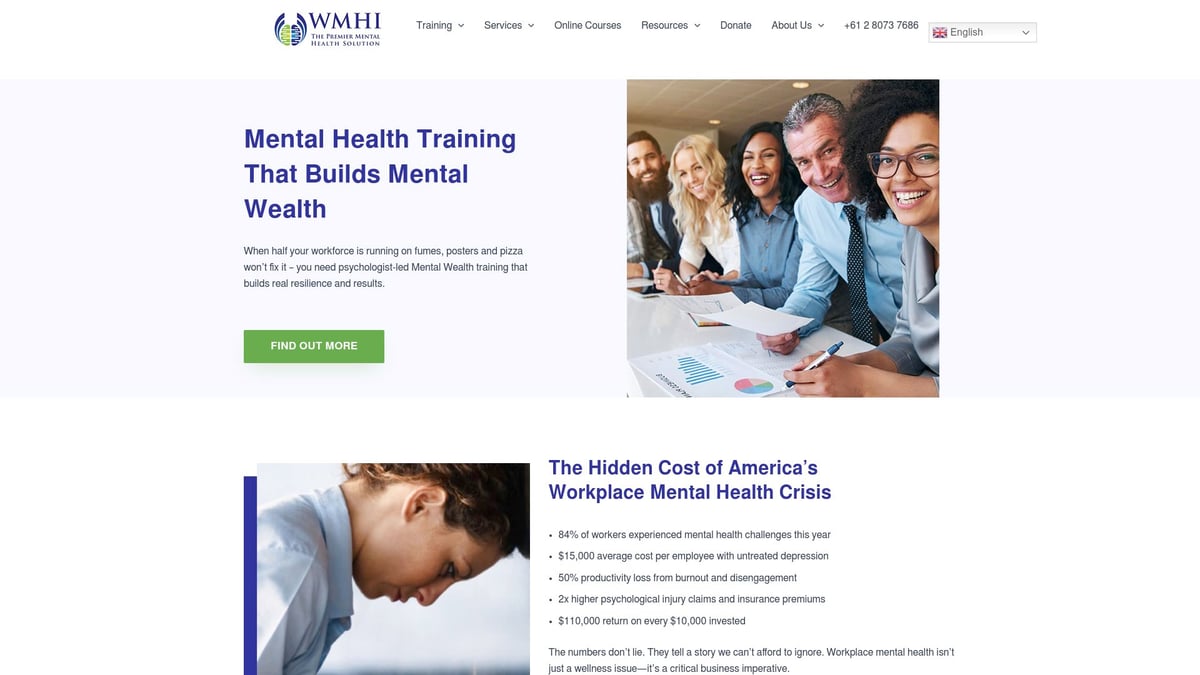
Evidence-based strategies have led to measurable reductions in absenteeism, psychological injury claims, and depression rates. Programs are strengths-based, practical, and available in flexible formats to meet diverse needs. With an international reach, the Institute delivers customized solutions, ensuring the mental health definition is actionable and relevant for every organization.
The Future of Mental Health: Trends and Innovations for 2026
The landscape of mental health is transforming rapidly as we enter 2026. Innovations in science, technology, and policy are changing how we understand and support mental wellbeing. In this section, we explore the key trends shaping the future of the mental health definition and highlight what to expect in the coming years.
Advances in Neuroscience and Genetics
Breakthroughs in neuroscience and genetics are expanding the mental health definition by uncovering the complex biological factors behind mental wellbeing. Researchers now use advanced brain imaging and genetic analysis to identify unique risk factors and predict individual responses to treatment.
Personalized medicine is on the rise, guiding targeted therapies for conditions like depression and anxiety. However, these advances also raise important ethical questions around accessibility and data privacy. As our understanding deepens, the mental health definition continues to evolve, reflecting both scientific progress and societal values.
Artificial Intelligence and Mental Health Care
Artificial intelligence is playing a pivotal role in the new mental health definition. AI-driven diagnostics and chatbots provide instant support, while predictive analytics help identify individuals at risk before crises occur.
Real-world applications include virtual therapy assistants, crisis text lines, and AI-powered symptom trackers. Although AI enhances access and efficiency, it cannot replace the human touch. Data security and privacy remain top concerns as technology becomes further integrated into mental health care.
Policy, Advocacy, and Global Initiatives
Policy changes are central to shaping the mental health definition for 2026. Governments and organizations worldwide are prioritizing access, equity, and anti-stigma measures. The United Nations and WHO are driving global initiatives to close treatment gaps and promote mental wellbeing for all.
Recent updates to mental health parity laws, such as the Mental Health Parity Rules for Providers, are ensuring equal insurance coverage for mental and physical health. These efforts highlight the continued evolution of the mental health definition within policy and advocacy spheres.
Community-Led and Peer Support Models
Community-driven approaches are redefining the mental health definition in practice. Peer support networks, local groups, and online communities empower individuals to share experiences and offer mutual support.
Examples include peer counseling, support groups, and digital forums where people connect over shared challenges. These models foster belonging, reduce isolation, and increase engagement. The mental health definition now recognizes community support as vital for holistic wellbeing.
The Role of Education and Lifelong Learning
Education is a cornerstone of the modern mental health definition. Schools, workplaces, and communities are implementing mental health literacy programs to break down stigma and improve outcomes.
Innovative curricula teach emotional regulation, resilience, and self-care from an early age. Lifelong learning opportunities ensure that people of all ages are equipped to navigate mental health challenges. By prioritizing education, society is broadening the mental health definition to include prevention and empowerment.
Measuring Wellbeing: Data, Metrics, and Outcomes
Accurate measurement is essential to the mental health definition in 2026. New digital tools and self-assessment apps enable individuals and organizations to track mental wellbeing in real time.
Population-level surveys, such as those summarized in Mental Health Statistics (2025), provide valuable insights into prevalence and trends. Data-driven approaches support informed policy and practice, ensuring the mental health definition remains relevant and actionable for the future.
As we’ve explored, understanding mental health in 2026 goes far beyond diagnosing disorders—it’s about fostering resilience, empowering individuals, and building supportive environments at work and beyond. If you’re ready to take the next step in creating a thriving, mentally healthy workplace, I encourage you to dive deeper into the strategies and evidence-based programs that can make a real difference for your team. Let’s work together to promote wellbeing, reduce absenteeism, and unlock the full potential of your organization.
Find Out More

