
Did you know that 1 in 8 people worldwide lives with a mental disorder? As global awareness continues to rise, understanding mental disorders has never been more important. This essential guide is designed to equip you with the latest knowledge on mental disorders, their impact on daily life, and effective ways to manage them. You will discover definitions, major types, causes, symptoms, diagnosis methods, treatment options, prevention strategies, and cutting-edge trends. Ready to gain practical insights and make informed decisions? Read on for a clearer, actionable understanding.
Defining Mental Disorders: What You Need to Know
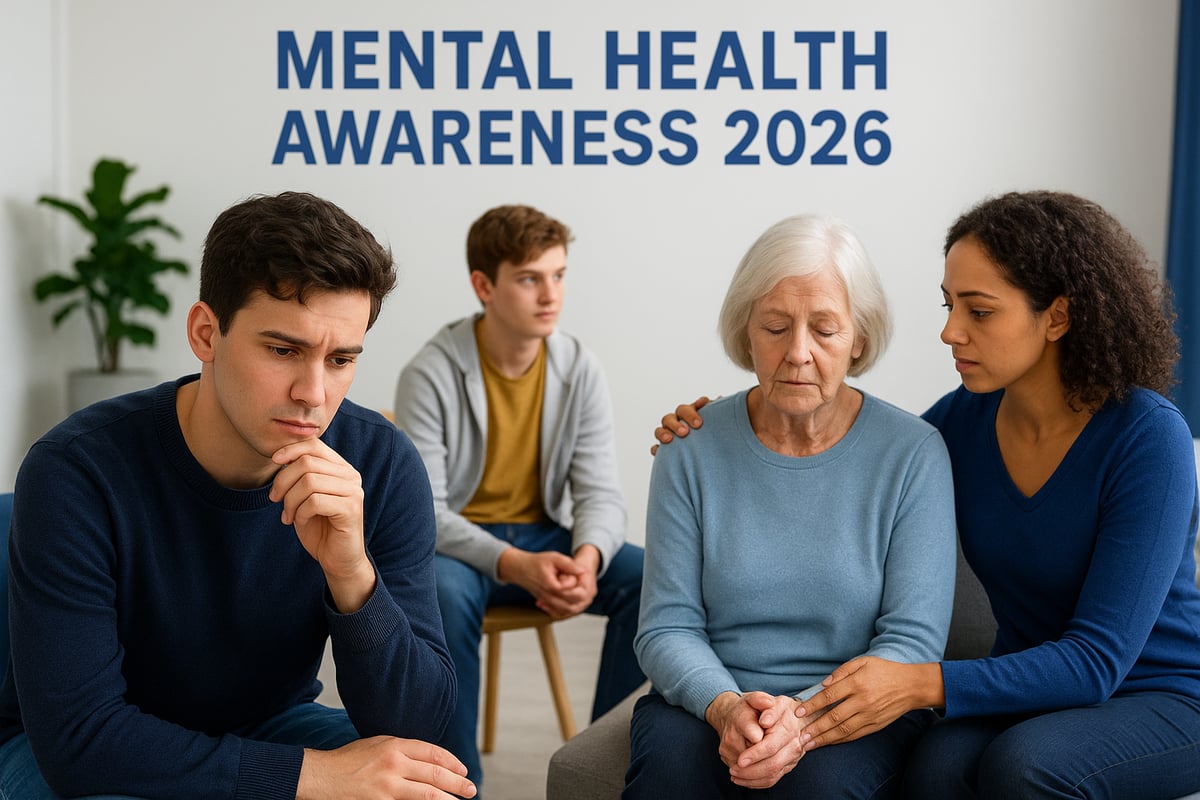
Understanding the Concept of Mental Disorders
Mental disorders are medical conditions that disrupt a person’s thoughts, emotions, and behaviors. These conditions can range from mild to severe, affecting how individuals interact with the world around them. It is important to distinguish between mental health, which refers to overall emotional and psychological well-being, and mental illness, which involves diagnosable conditions.
Globally, there are over 200 recognized mental disorders, according to leading organizations like the World Health Organization and Cleveland Clinic. These disorders can impact daily life, making it challenging to function at home, work, or school. Unfortunately, stigma and widespread misconceptions still surround diagnosis, often preventing people from seeking help. For a deeper understanding of these distinctions, visit Understanding Mental Illness.
Prevalence and Global Impact
Recent data shows that 1 in 8 people worldwide is affected by mental disorders. This prevalence varies by age, gender, and location. For example, youth and young adults are experiencing rising rates of anxiety and depression, particularly in the wake of recent global events.
Geographic and cultural factors influence who is most at risk. Workplace stress and social isolation have contributed to more reported cases among adults, while teenagers face increased pressures from academic and social environments. The economic burden is significant, impacting productivity and healthcare costs, while the social effects include strained relationships and reduced community participation.
Classification Systems and Diagnostic Criteria
Mental disorders are categorized using standardized systems like the DSM-5-TR and ICD-11. These tools help professionals group conditions into categories such as mood, anxiety, and psychotic disorders. Recent updates have clarified diagnostic criteria, making it easier to distinguish between similar conditions.
For example, changes to the criteria for depression now consider both emotional and physical symptoms. Standardized criteria are essential for accurate research, effective treatment, and global communication. Categories include mood disorders like depression, anxiety disorders, and neurodevelopmental conditions, ensuring consistency in diagnosis and care.
Common Myths and Misconceptions
Several myths about mental disorders persist. Some believe these conditions are rare or signs of personal weakness. In reality, mental disorders are common, and anyone can be affected regardless of background or strength.
Such misconceptions contribute to stigma, making it harder for individuals to seek help or talk openly about their experiences. For instance, a student who avoids classes due to anxiety might be misunderstood as simply unmotivated. Accurate knowledge encourages early intervention, supports recovery, and fosters a more inclusive society.
Major Types of Mental Disorders: An Overview
Understanding the landscape of mental disorders is essential for recognizing, managing, and supporting those affected. Each category presents unique challenges, symptoms, and impacts across different stages of life. Below is a comprehensive overview of the most prevalent types.

Mood Disorders
Mood disorders are a group of mental disorders characterized by significant disturbances in emotional state. Common types include depression, bipolar disorder, and dysthymia. Symptoms often involve persistent sadness, loss of interest, or extreme mood swings that disrupt daily life.
Globally, depression remains a leading cause of disability, affecting millions. Risk factors include genetics, stressful life events, and early onset typically occurs in late adolescence or early adulthood. For a real-world example of resilience and recovery, see this Bipolar Disorder Recovery Story. Early recognition and intervention are crucial for positive outcomes.
Anxiety Disorders
Anxiety disorders represent one of the most common categories of mental disorders. These include generalized anxiety disorder (GAD), panic disorder, social anxiety disorder, specific phobias, obsessive-compulsive disorder (OCD), and post-traumatic stress disorder (PTSD).
Symptoms can range from excessive worry and restlessness to avoidance of certain situations. Recent years have seen a marked increase in anxiety rates, especially following global events. Anxiety disorders can impact work performance and relationships, as illustrated in cases of workplace-related anxiety. Prompt support can significantly improve quality of life.
Psychotic Disorders
Psychotic disorders are a severe category of mental disorders that disrupt an individual’s perception of reality. Schizophrenia and schizoaffective disorder are among the most recognized.
Key symptoms include hallucinations, delusions, and disorganized thinking. These often appear in late adolescence or early adulthood, with significant stigma attached. Early intervention programs are improving outcomes, especially when symptoms are identified and treated promptly. Supportive environments help reduce isolation and enhance recovery.
Neurodevelopmental and Disruptive Behavior Disorders
This category of mental disorders typically emerges in childhood or adolescence. It includes attention-deficit/hyperactivity disorder (ADHD), autism spectrum disorders, conduct disorder, and oppositional defiant disorder.
Early signs may involve difficulties in attention, impulsivity, social interaction, or disruptive behaviors. Prevalence of these disorders has risen, partly due to better awareness and diagnostic tools. School-based interventions and family support play key roles in promoting positive development and social integration.
Eating Disorders
Eating disorders are serious mental disorders affecting eating behaviors and self-image. The most common types are anorexia nervosa, bulimia nervosa, and binge eating disorder.
Symptoms include extreme food restriction, cycles of binging and purging, and intense fear of weight gain. These disorders are most prevalent among adolescents and young adults, with social and cultural influences playing a major role. Media portrayal of body image can contribute to risk, but early intervention can help prevent long-term health complications.
Personality and Substance Use Disorders
Personality disorders are enduring patterns of inner experience and behavior that deviate from societal expectations. Common forms include borderline, antisocial, and narcissistic personality disorders. Substance use disorders involve problematic use of alcohol, drugs, or other substances, often co-occurring with other mental disorders.
Both types can strain relationships, increase legal risk, and complicate recovery. Dual diagnosis—when both a personality and substance use disorder are present—requires integrated treatment approaches. Reducing stigma and improving access to care are vital for long-term success.
Causes and Risk Factors: Understanding the Roots
Understanding the roots of mental disorders is essential for prevention, early intervention, and effective care. Multiple factors interact to influence whether someone develops a mental health condition. Let’s explore these causes and risk factors in detail.

Biological and Genetic Influences
Biological and genetic factors play a significant role in the development of mental disorders. Individuals with a family history of certain conditions, such as schizophrenia or bipolar disorder, have a higher risk of experiencing similar challenges themselves.
Imbalances in brain chemicals like serotonin and dopamine can disrupt mood, thinking, and behavior. Twin studies and genetic research have shown that heritability is particularly strong for some mental disorders, especially bipolar disorder and schizophrenia.
Modern advances in neuroimaging and biomarkers now allow researchers to observe changes in brain structure and function associated with these conditions. Gene-environment interactions further highlight how genetic predisposition and life experiences combine to influence risk.
Environmental and Social Factors
The environment in which a person grows up and lives can have a profound impact on mental disorders. Childhood trauma, neglect, or abuse are well-established risk factors. Chronic stress, social isolation, and poverty increase vulnerability to mental health conditions.
Peer pressure and negative experiences in schools or workplaces can also contribute to the onset of mental disorders. For example, bullying during adolescence is strongly linked to anxiety and depression in later life.
Societal changes after the pandemic have intensified some of these pressures, leading to rising rates of mental disorders worldwide. For up-to-date data on prevalence and trends, see the Mental Health Statistics page.
Psychological and Developmental Contributors
Psychological and developmental factors also influence the likelihood of developing mental disorders. Personality traits like perfectionism and impulsivity can increase risk, especially for conditions such as eating disorders and substance use disorders.
Early attachment experiences and parental relationships shape emotional regulation and resilience. Cognitive patterns, such as persistent negative thinking or rumination, are common in depression and anxiety.
Life transitions, including moving, starting a new job, or experiencing loss, can trigger mental disorders in individuals with underlying vulnerabilities. For example, perfectionism often plays a central role in the development of eating disorders.
Modern Risk Factors
New risk factors for mental disorders are emerging. Digital overload, constant connectivity, and exposure to social media have increased rates of cyberbullying and online harassment.
Substance abuse trends have shifted, with new drugs and vaping becoming more prevalent among youth. Climate anxiety and eco-distress are affecting mental well-being as news about environmental crises becomes more widespread.
Family structures and support systems are also changing, sometimes reducing protective factors. Notably, anxiety linked to climate change is now a common concern among younger generations, highlighting the evolving landscape of mental disorders.
Recognizing Symptoms and Early Warning Signs
Recognizing symptoms of mental disorders is crucial for timely intervention and effective support. Early identification can lead to better outcomes, reduce distress, and promote recovery. Understanding the spectrum of warning signs helps individuals, families, and professionals respond appropriately.

Core Symptoms Across Disorders
Mental disorders often present with a range of symptoms that overlap between different conditions. Common signs include noticeable changes in mood, persistent sadness, or unexplained irritability. Shifts in behavior, such as withdrawal from social activities or loss of interest in previously enjoyed hobbies, are also typical.
Other core symptoms involve disturbances in sleep patterns, appetite changes, and difficulty concentrating. People may experience fatigue, low motivation, or unexplained aches and pains. These symptoms can be subtle at first, making it important to observe patterns and duration when considering mental disorders.
- Mood changes: sadness, irritability, or mood swings
- Behavioral shifts: social withdrawal, decreased participation
- Cognitive issues: trouble focusing, indecisiveness
- Physical symptoms: sleep or appetite disruptions
Recognizing these early signs can set the stage for appropriate help and intervention.
Age-Specific Presentations: Children, Teens, Adults
Symptoms of mental disorders can appear differently depending on age. In children, warning signs might include frequent tantrums, trouble with schoolwork, or sudden social withdrawal. Academic decline and changes in friendships often point to emotional distress.
For teens, risk-taking behaviors, substance use, and dramatic mood swings are key indicators. They may struggle with identity, leading to isolation or conflict at home and school. Adults, on the other hand, often show symptoms through work performance issues, relationship problems, or unexplained physical complaints.
| Age Group | Common Signs of Mental Disorders |
|---|---|
| Children | Tantrums, academic decline, withdrawal |
| Teens | Mood swings, risk-taking, substance use |
| Adults | Work issues, relationship struggles |
Tailoring assessment to the individual’s age ensures that subtle symptoms are not overlooked.
Red Flags for Immediate Attention
Certain symptoms signal the need for urgent intervention when dealing with mental disorders. These include thoughts of suicide, self-harm behaviors, or expressing hopelessness. Experiencing hallucinations, delusions, or severe confusion also require immediate attention.
Other red flags are sudden withdrawal from all social contact, aggressive outbursts, or drastic declines in functioning. Recognizing these warning signs early can save lives. For detailed guidance on urgent symptoms and what to watch for, consult the Suicide Warning Signs resource.
Prompt action in response to these critical signs is vital for safety and recovery.
Barriers to Recognition and Diagnosis
Despite growing awareness, many people fail to recognize symptoms of mental disorders due to stigma or misinformation. Cultural beliefs may lead to misattributing emotional distress to physical illness, delaying proper diagnosis. Fear of judgment often prevents individuals from seeking help.
Language and cultural differences can mask or alter symptom presentation, especially in minority communities. Low mental health literacy further complicates early identification. Real-life scenarios show that underdiagnosis is common, particularly where access to care is limited.
Reducing stigma and increasing knowledge about mental disorders are essential steps toward earlier intervention and support.
Diagnosis and Assessment: How Mental Disorders Are Identified
Accurate diagnosis is the cornerstone of effective care for mental disorders. The process involves multiple steps, collaboration among professionals, and continuous advancements in technology. Understanding how mental disorders are identified helps reduce stigma and encourages timely intervention.
The Diagnostic Process: Steps and Tools
Diagnosing mental disorders begins with a thorough evaluation. Clinicians collect detailed medical and psychiatric histories, often using structured interviews and validated symptom checklists. Physical examinations help rule out underlying medical issues that might mimic or contribute to symptoms.
Assessment tools like the PHQ-9 for depression or GAD-7 for anxiety offer standardized ways to screen for specific mental disorders. Family history is also essential, as genetic factors can influence risk. Clinicians may observe behavior and assess mood, cognition, and functioning across settings.
This comprehensive approach ensures that mental disorders are not overlooked or misattributed to physical illnesses. Early identification supports better outcomes and guides appropriate treatment.
Role of Mental Health Professionals
A range of specialists collaborate to diagnose and support individuals with mental disorders. Psychiatrists, psychologists, social workers, and counselors each bring unique expertise. They work together, often within multidisciplinary teams, to ensure holistic care.
Building rapport is crucial. Trust and confidentiality encourage open communication, allowing patients to share symptoms honestly. In primary care, general practitioners may identify early signs and refer patients to specialists for further assessment.
Referral pathways are well-established, streamlining the process for complex mental disorders. Effective teamwork leads to accurate diagnosis and comprehensive care plans tailored to each individual.
Challenges in Diagnosis
Diagnosing mental disorders can be complex. Many conditions have overlapping symptoms, such as fatigue or concentration problems, which appear in both depression and anxiety. Comorbidities, when multiple mental disorders occur together, further complicate the picture.
| Symptom | Possible Disorders |
|---|---|
| Sleep problems | Depression, anxiety, PTSD |
| Mood swings | Bipolar, borderline PD |
| Social withdrawal | Schizophrenia, depression |
Cultural and linguistic differences may affect how symptoms are expressed or understood. Diagnostic criteria also evolve, impacting clinical practice. For a deeper look at how changes in diagnostic systems like DSM-5 and ICD-11 affect mental disorders, see this Major Diagnostic Differences Between DSM-5 and ICD-11 comparison.
Ongoing assessment is often needed, especially for conditions with fluctuating symptoms. Misdiagnosis or delays can hinder access to treatment.
Advances in Diagnostic Technologies
Technology is transforming how mental disorders are assessed. Neuroimaging techniques, such as fMRI and PET scans, help visualize brain structure and function, offering insights into underlying mechanisms. Digital health tools, including AI-powered symptom tracking apps, make it easier to monitor changes over time.
Genetic testing and personalized medicine are emerging, providing new ways to understand risk for certain mental disorders. Wearable devices can detect shifts in mood or activity, supporting early intervention.
Despite rapid progress, these innovations have limitations and ethical considerations, such as privacy and access. However, they hold promise for improving accuracy and personalization in diagnosing mental disorders.
Treatment and Management: Current Best Practices
Understanding the best practices for treating and managing mental disorders is essential for individuals, families, and professionals. The landscape of care continues to evolve, offering more options and greater hope for recovery. This section explores proven therapies, medication strategies, holistic models, crisis protocols, innovations, and the ongoing challenge of ensuring equitable access.
Psychotherapy and Counseling Approaches
Psychotherapy remains a cornerstone in managing mental disorders. Cognitive Behavioral Therapy (CBT) is widely used for depression and anxiety, helping individuals identify and change unhelpful thought patterns. Dialectical Behavior Therapy (DBT) supports those with emotional regulation challenges, while family therapy brings in loved ones for holistic healing.
Individual and group therapy options allow for tailored approaches. Group sessions foster connection and reduce isolation. Evidence shows that CBT and other structured therapies improve outcomes across many mental disorders.
Teletherapy and online counseling have gained momentum, increasing accessibility for remote or underserved populations. This digital shift has made support more flexible and immediate, breaking down traditional barriers.
Medication and Pharmacological Interventions
Medication is often vital in treating mental disorders, especially when symptoms are moderate to severe. Antidepressants, such as SSRIs, target neurotransmitter imbalances linked to depression and anxiety. Antipsychotics manage symptoms like hallucinations in psychotic disorders, and mood stabilizers are key for bipolar disorder.
It is important to understand how these medications work and to monitor for side effects. Adherence to prescribed regimens is crucial for effectiveness. Newer medications in 2026 offer improved tolerability and targeted action, reflecting advances in psychiatric pharmacology.
Emerging treatments, including novel agents and delivery systems, provide hope for those who have not responded to traditional options. Collaborative care with regular follow-up enhances safety and outcomes for individuals with mental disorders.
Integrated and Holistic Care Models
Best practices now emphasize integrated care that combines therapy, medication, and lifestyle interventions. Nutrition, exercise, and sleep hygiene play a significant role in stabilizing mood and preventing relapse. Social support, including peer groups and community programs, is essential for sustained recovery.
Holistic care plans are patient-centered, adapting to individual needs and preferences. Recovery-oriented models prioritize empowerment, helping people set goals and track progress. Community mental health teams coordinate services, reducing fragmentation of care.
Integrated models have been strengthened by standardized diagnostic frameworks, as described in Global mental health and psychiatric nosology: DSM-5, ICD-11, and RDoC, ensuring that care is consistent and evidence-based for all mental disorders.
Crisis Intervention and Emergency Care
Some mental disorders require urgent intervention. Hospitalization may be necessary for severe risk of harm to self or others. Crisis teams and hotlines, like the 988 Suicide & Crisis Lifeline in the US, deliver immediate support and safety planning.
Effective crisis care includes de-escalation strategies and clear protocols for assessment. After a crisis, follow-up care is vital to prevent recurrence and support long-term stability. Collaborative crisis plans involving families and professionals are increasingly common.
Community-based crisis services help reduce unnecessary hospitalizations and connect individuals with ongoing resources. Rapid response is key to minimizing harm and promoting recovery for those experiencing acute episodes of mental disorders.
Innovations in Mental Health Care
The treatment landscape for mental disorders is rapidly changing with digital therapeutics and technology-driven interventions. Mental health apps now offer guided self-help, symptom tracking, and reminders for medication or therapy appointments.
Virtual reality exposure therapy is used for phobias and PTSD, providing immersive environments for safe practice. AI-powered chatbots deliver psychoeducation and crisis triage, expanding access to support.
Personalized treatment algorithms use data from wearables and electronic health records to tailor interventions. Digital CBT platforms have made therapy more widely available, especially for those facing barriers to in-person care.
Barriers to Access and Equity in Care
Despite advances, many people with mental disorders still face obstacles to care. Geographic distance, financial constraints, and cultural stigma all limit treatment opportunities. Rural populations often have fewer mental health professionals, while minorities may encounter language or cultural mismatches.
Disparities in service availability impact outcomes, with marginalized groups at higher risk for untreated symptoms. Solutions include telehealth expansion, community-based care, and stigma reduction campaigns.
Efforts to close the equity gap are ongoing, ensuring that everyone living with mental disorders can access high-quality, compassionate support when they need it.
Prevention, Early Intervention, and Support Systems
Early action is key to reducing the impact of mental disorders on individuals and communities. Prevention strategies, timely interventions, and strong support systems can change lives and improve long-term outcomes. Let us explore how education, workplace culture, family, community, and self-help play vital roles in addressing mental disorders.
Public Health Strategies and Education
Public health campaigns are essential for raising awareness and reducing stigma about mental disorders. Schools now introduce mental health education early, teaching students how to recognize signs and seek help. These programs focus on building resilience and supporting positive coping skills.
Governments and organizations partner to launch media campaigns that challenge myths and encourage open discussions. For example, the World Health Organization’s mental health awareness initiatives have shown that early intervention improves recovery rates and reduces the severity of mental disorders.
Providing accurate information helps communities understand the importance of prevention and early support. As awareness grows, more people feel empowered to seek help without fear of judgment.
Workplace Mental Health: Trends and Best Practices
Workplace mental health has become a top priority in recent years. Employers are investing in employee assistance programs and resilience training to address mental disorders among staff. Supportive work environments encourage employees to speak up about struggles and access resources early.
Training managers to recognize early warning signs and respond appropriately can reduce absenteeism and improve productivity. Recent data shows that companies implementing mental health programs report fewer sick days and increased job satisfaction.
Workplace policies that promote work-life balance and flexible schedules also help reduce stress, making it easier to manage mental disorders while maintaining performance.
Family, Peer, and Community Support
Strong family and community networks are vital in preventing and managing mental disorders. Family education programs teach relatives how to support loved ones, recognize symptoms, and navigate care options. Peer support groups, such as those offered by NAMI, provide a safe space for individuals to share experiences and recovery strategies.
Community-based resources, including advocacy organizations, offer practical support and reduce isolation. Social connectedness is linked to better outcomes for people with mental disorders, as it fosters a sense of belonging and hope.
Encouraging open conversations within families and communities helps break down barriers and promotes early intervention.
Self-Help, Digital Tools, and Lifestyle Approaches
Self-help and digital tools empower individuals to take an active role in managing mental disorders. Mindfulness practices, meditation, and stress management techniques are widely used to build resilience. Many rely on digital apps and online courses for guided support and symptom tracking.
Lifestyle modifications, such as regular exercise, healthy sleep routines, and balanced nutrition, play a crucial role in prevention and relapse management. Online platforms, including digital CBT and mindfulness resources, offer accessible support for those seeking to improve their mental well-being.
Research shows that combining self-help with professional care leads to better long-term outcomes for those affected by mental disorders.
As we’ve explored, understanding mental disorders is more important than ever in today’s dynamic workplaces and communities. With up-to-date insights on causes, symptoms, and the latest trends, you’re better equipped to recognize early signs and support those around you. If you want to take the next step and discover practical strategies for improving mental health and resilience in your organization, I invite you to dive deeper into the resources and expert training available. You can make a real difference in wellbeing and performance—find the tools and guidance you need by clicking Find Out More.

