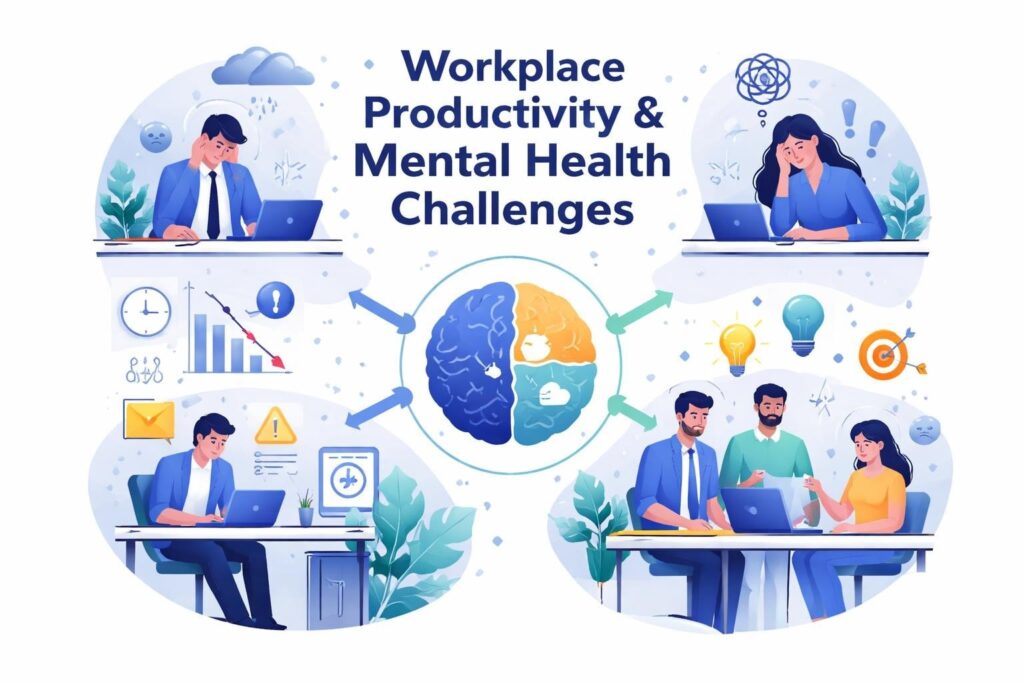
Depression represents one of the most significant yet frequently overlooked factors affecting workplace productivity in 2026. With approximately one in five adults experiencing mental health challenges annually, understanding the relationship between depression and work performance has become essential for organizational success. The impact extends beyond individual employees, affecting team dynamics, project outcomes, and overall business performance in measurable ways.
The Measurable Impact of Depression on Workplace Productivity
Research demonstrates that depression lowers productivity across multiple performance dimensions. The condition affects cognitive function, energy levels, and interpersonal effectiveness in ways that directly translate to reduced output and engagement.
Key performance areas affected by depression include:
- Concentration and focus during complex tasks
- Decision-making accuracy and speed
- Memory retention and information processing
- Meeting attendance and participation quality
- Project completion rates and deadline adherence
The economic implications are substantial. Presenteeism, where employees attend work but function at reduced capacity, often costs organizations more than absenteeism itself. An employee experiencing depression may be physically present yet operating at 60-70% of their normal capacity, creating a hidden performance gap that many leaders fail to recognize.
| Performance Metric | Average Impact | Duration of Effect |
|---|---|---|
| Task Completion Speed | 35-40% reduction | Throughout episode |
| Error Rates | 25-30% increase | Variable by severity |
| Creative Problem-Solving | 45% reduction | Most pronounced early |
| Team Collaboration | 30-35% decline | Social withdrawal phase |
Organizations that implement comprehensive mental health training programs observe significant improvements in both employee wellbeing and operational metrics. The connection between supporting mental health and maintaining performance standards becomes increasingly clear when leaders understand the mechanisms through which depression affects workplace functioning.

Recognizing Depression Symptoms in Professional Settings
Depression manifests differently in workplace contexts compared to personal environments. Employees often develop sophisticated masking strategies, making early identification challenging for managers and colleagues. Understanding these professional presentations enables earlier intervention and support.
Behavioral Changes That Signal Potential Concerns
Observable shifts in work patterns frequently indicate underlying mental health challenges. These changes often appear gradually, making them easy to dismiss as temporary stress or personal issues.
Managers should note patterns such as:
- Consistent decline in work quality despite adequate skills and experience
- Increased irritability or emotional reactions disproportionate to situations
- Withdrawal from team activities and informal workplace interactions
- Noticeable changes in communication patterns or response times
- Difficulty completing previously routine tasks without clear external obstacles
Physical presentation also provides important clues. Employees experiencing depression may exhibit changes in grooming standards, posture, or energy levels during meetings. While individual instances mean little, consistent patterns over weeks warrant compassionate attention.
Cognitive and Emotional Indicators
The relationship between depression and work performance becomes particularly evident in cognitive tasks. Employees may struggle with activities that previously posed no difficulty, creating frustration and additional stress.
Building resilience at work requires recognizing these cognitive challenges early. Research shows that workplace support and job demands significantly influence how depression affects employee functioning.
Common cognitive impacts include:
- Reduced working memory capacity affecting multitasking abilities
- Slowed information processing requiring more time for decisions
- Difficulty prioritizing tasks or distinguishing urgent from routine matters
- Increased mental fatigue following activities that previously energized
- Negative thought patterns affecting professional confidence
Creating Supportive Management Practices
Leaders play a crucial role in moderating how depression and work performance intersect within their teams. Effective management approaches balance compassionate support with maintaining necessary performance standards.
Establishing Psychologically Safe Communication Channels
Teams perform optimally when employees feel comfortable discussing challenges without fear of professional consequences. This psychological safety doesn’t mean eliminating accountability but rather creating space for honest dialogue about obstacles affecting performance.
Practical strategies for managers:
- Schedule regular one-on-one check-ins focused on wellbeing, not just deliverables
- Use open-ended questions that invite authentic responses about workload and stress
- Respond to performance concerns with curiosity before criticism
- Normalize mental health discussions by sharing organizational resources proactively
- Train yourself to recognize distress signals through professional development programs
Implementing Flexible Accommodation Frameworks
Depression affects individuals differently, requiring personalized accommodation approaches. The most effective frameworks provide flexibility while maintaining clear expectations and boundaries.
| Accommodation Type | Implementation Example | Performance Monitoring |
|---|---|---|
| Schedule Flexibility | Core hours with flexible start/end times | Output-based metrics rather than time-based |
| Work Location Options | Hybrid arrangements during difficult periods | Regular check-ins on project milestones |
| Task Restructuring | Redistributing high-stress responsibilities temporarily | Weekly progress reviews with support |
| Extended Deadlines | Additional time for complex deliverables | Quality standards maintained with time adjustment |
These accommodations work best when implemented proactively rather than reactively. Organizations that build flexibility into their standard operating procedures report better outcomes than those requiring employees to request special treatment during vulnerable periods.
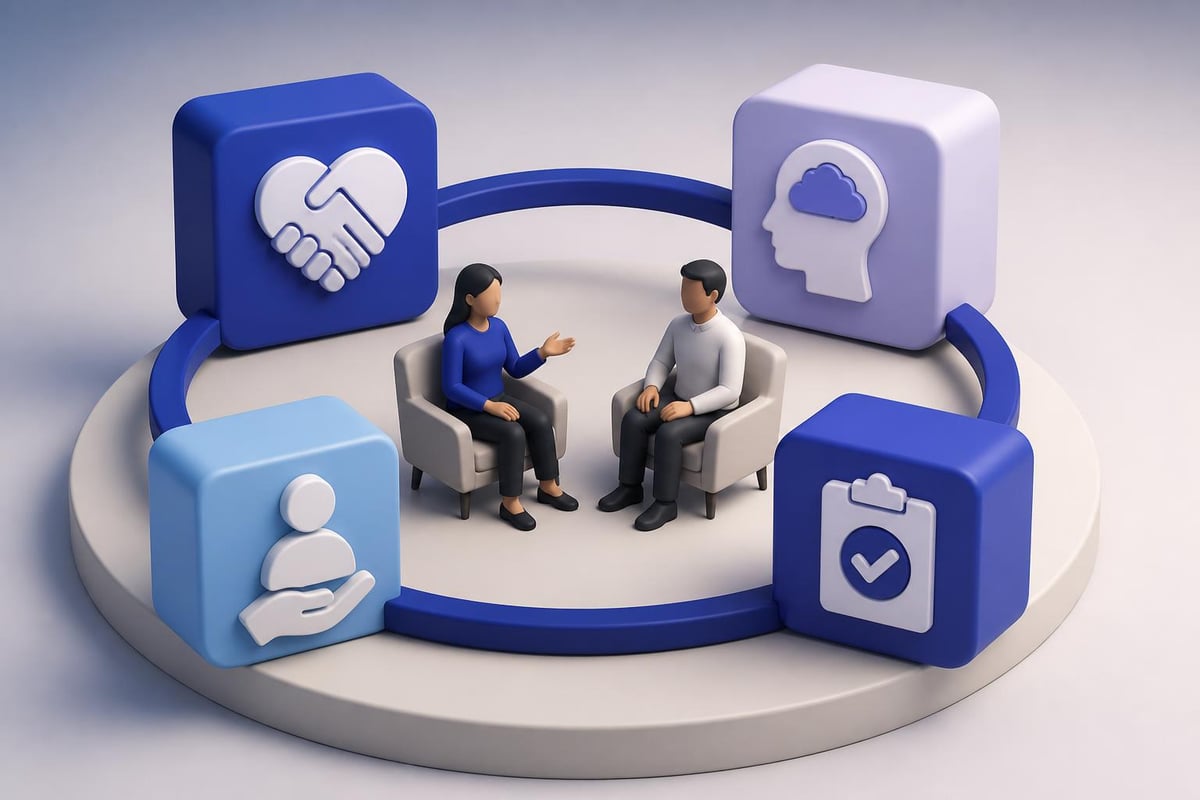
Organizational Systems That Reduce Depression’s Workplace Impact
Individual interventions provide essential support, but systemic approaches create sustainable change. Organizations serious about addressing depression and work performance invest in comprehensive infrastructure supporting employee mental health.
Workplace Wellbeing Assessment Protocols
Regular assessment identifies risk factors before they escalate into significant performance issues. These evaluations should measure both organizational culture elements and individual employee experiences.
Effective assessment programs examine:
- Workload distribution and perceived fairness across teams
- Manager relationships and quality of supervisory support
- Role clarity and alignment between responsibilities and authority
- Recognition practices and appreciation frequency
- Access to mental health resources and utilization rates
Data from these assessments inform targeted interventions. An organization discovering widespread concerns about workload imbalance can restructure assignments before burnout and depression become prevalent. This proactive approach prevents the performance declines associated with untreated mental health conditions.
Training Initiatives for Managers and Employees
Comprehensive mental health training equips managers and employees with the knowledge, skills, and confidence to recognize challenges early and respond appropriately. Training should address the distinct needs of both managers, who require skills for supportive leadership and effective workplace responses, and employees, who benefit from greater awareness of their own mental health and how to support colleagues.
Essential training components include:
- Recognizing signs of depression and other mental health challenges in workplace settings
- Developing communication skills for sensitive conversations about mental health
- Understanding relevant legal obligations, confidentiality, and privacy considerations
- Applying practical strategies for managing workloads and supporting wellbeing during challenging periods
- Identifying appropriate resources for professional support, referrals, and crisis intervention
Engaging, scenario-based learning can further strengthen these skills by using realistic workplace situations that make mental health education more relatable, practical, and actionable for diverse employee populations.
Evidence-Based Interventions That Maintain Performance Standards
Supporting employees experiencing depression requires balancing compassion with organizational needs. The most successful interventions maintain performance expectations while providing necessary support for employees to meet them.
Structured Return-to-Work Programs
Employees returning to work after mental health leave may experience uncertainty about performance expectations, workload, and workplace reintegration. A structured return-to-work approach can help make the transition more manageable while providing appropriate support as employees readjust to their roles.
Effective return-to-work frameworks may include:
- Gradually increasing work hours or responsibilities based on individual circumstances
- Temporarily modifying responsibilities or workloads during the initial reintegration period
- Regular check-ins to assess adjustment and identify emerging concerns
- Clear documentation of temporary accommodations and agreed review timelines
- Peer support or mentorship to help employees reconnect with colleagues and workplace routines
These approaches recognize that recovery and workplace reintegration do not always follow a linear path. Some employees may experience fluctuations in their wellbeing and require temporary adjustments even after an initially successful return. Flexible, individualized support can help organizations respond appropriately while maintaining clear expectations and effective communication.
Ongoing Performance Management Adaptations
Traditional annual performance reviews often fail employees managing mental health conditions. More frequent, supportive feedback conversations provide better outcomes for both individuals and organizations.
| Traditional Approach | Mental Health-Informed Approach | Performance Outcome |
|---|---|---|
| Annual formal review | Quarterly developmental conversations | Earlier identification of struggles |
| Focus on past performance | Balance past reflection with future support | Reduced anxiety and improved engagement |
| Manager-driven assessment | Collaborative goal-setting and problem-solving | Greater ownership of improvement plans |
| Generic development plans | Personalized strategies accounting for individual needs | Higher success rates in skill development |
This adapted approach maintains accountability while acknowledging that employees experiencing depression may need different support structures to achieve their potential.

The Role of Team Culture in Moderating Depression Effects
Individual support proves insufficient without broader cultural change. Team environments that normalize mental health discussions and prioritize sustainable work practices reduce the impact of depression on overall performance.
Building Stigma-Free Workplace Environments
Stigma remains the primary barrier preventing employees from seeking help early. Organizations that actively counter stigma through consistent messaging and visible leadership support see higher utilization of mental health resources.
Stigma reduction strategies include:
- Leadership sharing personal or family experiences with mental health challenges
- Incorporating mental health into diversity and inclusion initiatives
- Celebrating Mental Health Awareness Month with substantive programming, not token gestures
- Ensuring mental health benefits receive equal prominence to physical health offerings
- Addressing inappropriate comments or jokes about mental health immediately
These cultural shifts take time but produce measurable results. Organizations with strong anti-stigma cultures report earlier intervention, shorter disability durations, and better retention of valued employees experiencing mental health challenges.
Promoting Sustainable Work Practices
Workplace cultures that glorify overwork and constant availability create environments where depression flourishes. Sustainable practices protect employee mental health while maintaining organizational effectiveness.
Practical sustainability measures include:
- Enforcing reasonable working hours and discouraging after-hours email
- Ensuring adequate staffing levels to prevent chronic overload
- Building slack into project timelines for realistic completion expectations
- Rotating high-stress assignments to prevent burnout concentration
- Modeling work-life balance through leadership behavior
Research consistently demonstrates that sustainable work practices improve rather than diminish overall productivity. The short-term gains from overwork disappear when accounting for increased errors, turnover costs, and disability claims associated with burnout and depression.
Manager Self-Care and Secondary Trauma Considerations
Supporting employees through mental health challenges takes emotional toll on managers themselves. Organizations must recognize this dynamic and provide appropriate support for those in caregiving leadership roles.
Recognizing Vicarious Trauma in Leadership Roles
Managers regularly exposed to employee distress may experience vicarious trauma affecting their own mental health and performance. This phenomenon receives insufficient attention in most organizational settings.
Warning signs of vicarious trauma in managers:
- Increased cynicism or emotional numbness toward employee concerns
- Difficulty maintaining boundaries between work and personal life
- Sleep disturbances related to worry about team members
- Physical symptoms of stress including headaches or digestive issues
- Reduced effectiveness in other aspects of leadership role
Organizations offering trauma-informed care training help managers recognize these patterns early and access appropriate support. Leaders cannot effectively support team members experiencing depression while neglecting their own mental health needs.
Support Systems for Supporting Roles
Managers need dedicated resources separate from general employee assistance programs. These specialized supports acknowledge the unique challenges of holding space for others’ difficulties while maintaining leadership responsibilities.
Recommended manager support structures include:
- Confidential consultation services for guidance on complex employee situations
- Peer support groups where managers discuss challenges with colleagues in similar roles
- Regular supervision or coaching focused on emotional aspects of leadership
- Clear protocols for escalating situations beyond manager capability
- Time and budget allocation for manager self-care and professional development
When organizations invest in manager wellbeing, they create sustainable support systems that benefit all employees experiencing mental health challenges.
Measuring Intervention Effectiveness and Return on Investment
Evidence-based approaches to depression and work performance require systematic evaluation. Organizations should track both process metrics and outcome measures to assess program effectiveness.
Key Performance Indicators for Mental Health Initiatives
Effective measurement balances quantitative data with qualitative insights. The most meaningful metrics connect mental health interventions to business outcomes without reducing employee wellbeing to purely financial terms.
| Metric Category | Specific Measures | Data Collection Method |
|---|---|---|
| Utilization Rates | Mental health benefit usage, training participation | Benefits administration systems |
| Absence Patterns | Short-term disability claims, sick leave frequency | HR information systems |
| Performance Indicators | Quality scores, productivity measures, goal achievement | Performance management platforms |
| Employee Feedback | Psychological safety scores, manager support ratings | Engagement surveys, pulse checks |
| Retention Metrics | Turnover rates by department, exit interview themes | HRIS and exit interview data |
These metrics inform continuous improvement rather than one-time evaluation. Organizations committed to supporting employee mental health review data quarterly and adjust interventions based on emerging patterns.
Calculating the Business Case for Mental Health Investment
Financial stakeholders increasingly expect mental health initiatives to demonstrate clear organizational value. A strong business case can connect workplace mental health investment to measurable outcomes such as employee retention, productivity, absenteeism, engagement, and healthcare and disability costs.
Potential business benefits of effective mental health initiatives include:
- Reduced absenteeism and disability-related costs
- Improved employee retention and reduced recruitment and replacement costs
- Increased productivity and employee engagement
- Earlier identification of mental health concerns and more appropriate access to support
- Stronger workplace culture and employee experience
- Enhanced employer reputation and ability to attract and retain talent
Organizations can strengthen the business case by establishing clear objectives, identifying relevant performance indicators, and measuring outcomes over time. Tracking both financial and workforce measures helps demonstrate the value of mental health initiatives and supports informed decisions about ongoing investment.
The connection between supporting employees experiencing depression and maintaining organizational performance becomes clearer when mental health initiatives are evaluated through a comprehensive measurement framework. Rather than viewing workplace mental health as an isolated employee benefit, organizations can assess how effective support contributes to a healthier, more resilient, and sustainable workforce.
Addressing depression and work performance requires organizational commitment that extends beyond individual interventions to supportive workplace practices and organizational culture. By implementing evidence-informed training, equipping managers with practical skills, creating appropriate support pathways, and measuring outcomes systematically, organizations can support employee wellbeing while strengthening organizational performance.
Workplace Mental Health Institute offers specialized workplace mental health training designed to help organizations build these capabilities, providing managers and employees with practical skills to recognize mental health challenges, respond appropriately, and create healthier, more supportive work environments.