A stressed workforce does not become more resilient simply because an organization runs a wellbeing week or launches another employee initiative.
Effective workplace mental health consulting is about turning good intentions into practical leadership practices, safer systems, and meaningful organizational change.
That means looking beyond individual wellbeing and understanding the workplace conditions that influence how people experience work every day.
What Workplace Mental Health Consulting Should Achieve
Effective consulting should help an organization understand what is affecting its people and identify where practical changes can make the greatest difference.
This may include issues such as excessive workload, role ambiguity, poor change management, incivility, low levels of control, exposure to traumatic material, or gaps in manager capability.
The most useful approach connects three levels of the organization:
Organizational Systems
The policies, structures, workloads, processes, and working conditions that shape the employee experience.
Leadership Capability
The skills, behaviors, and accountability leaders and managers need to create healthier and more supportive working environments.
Employee Experience
How work is actually experienced by employees, including psychological safety, workload, relationships, support, and access to appropriate resources.
Miss one of these levels and progress can stall. Sustainable change requires attention to the system, the people leading it, and the people experiencing it.
Start With Understanding the Workplace
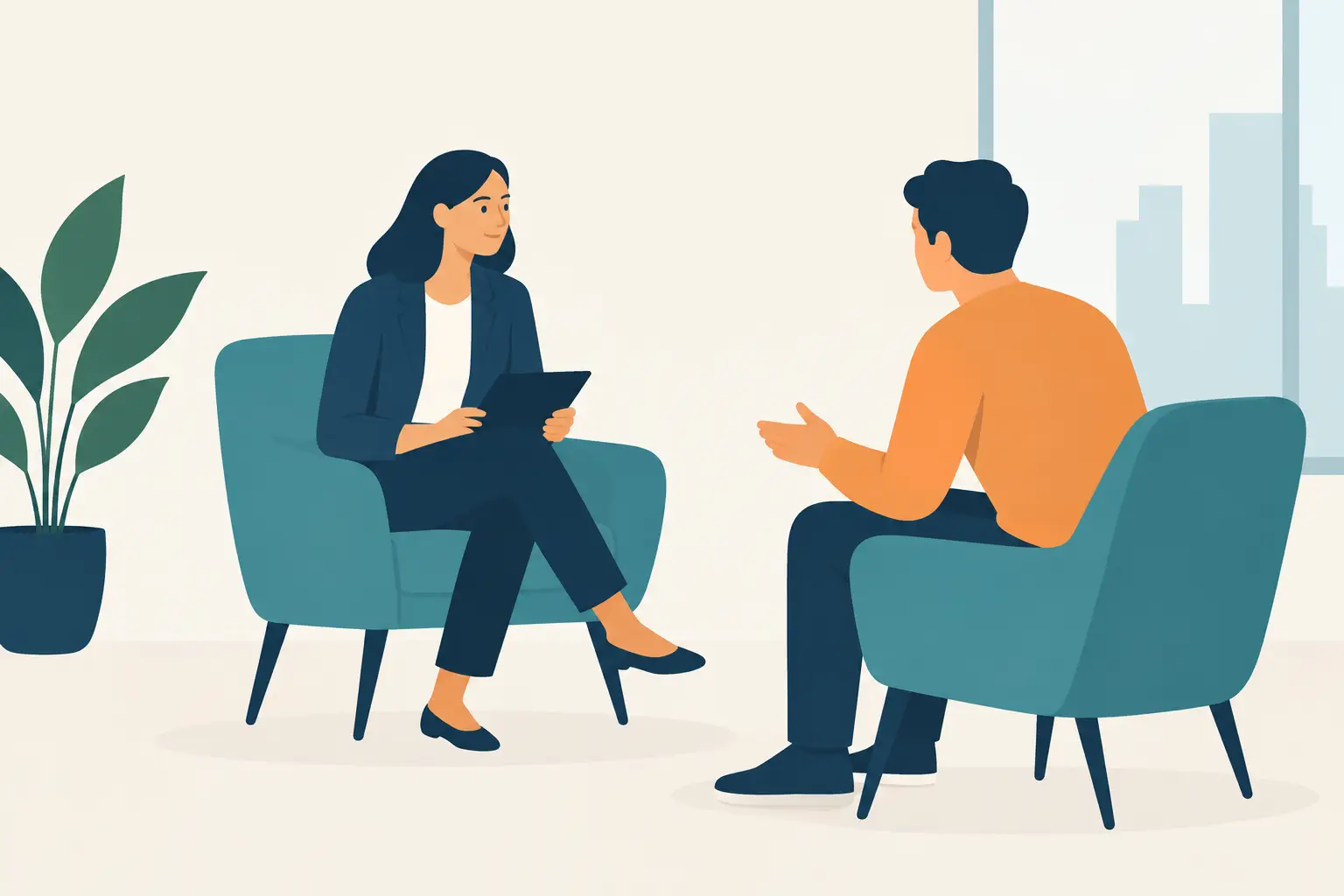
Organizations sometimes begin with a solution before fully understanding the problem. That might mean introducing mental health first aid training, resilience programs, an awareness campaign, or an employee survey before identifying what is actually driving concern.
These initiatives can be valuable, but they are more effective when they respond to a clearly understood need.
A stronger consulting process combines organizational information with employee experience to identify patterns, priorities, and areas where action may be required.
The context matters. A fast-growing technology company may face very different pressures from a healthcare or human services organization where employees regularly encounter distressing or traumatic situations. Distributed professional services teams may face different challenges again.
The objective is to understand the workplace as it actually operates, not simply how it is intended to operate.
Turn Assessment Into Practical Action
Assessment only creates value when it leads to meaningful action.
Once priorities have been identified, organizations need to determine what can realistically be changed, who is responsible, and how progress will be reviewed.
This may involve changes to workloads, role clarity, communication, leadership practices, team processes, escalation pathways, or the way psychosocial risks are identified and managed.
It can also reveal a gap between an organization’s stated values and the everyday experience of employees.
Workplace mental health consulting should help close that gap by translating findings into practical priorities rather than producing another report that sits unused.
Build Manager Capability Where It Counts
Managers often sit at the point where organizational expectations and employee experience meet.
They may notice changes in behavior, increased workload, conflict, disengagement, or signs that someone is struggling. But being responsible for a team does not automatically give someone the skills to respond effectively.
Managers need practical guidance rather than vague instructions to simply “be supportive.”
Scenario-based learning can help managers understand how to start appropriate conversations, listen effectively, respond within their role, recognize when an issue requires escalation, and connect employees with appropriate support.
The objective is not to make every manager a mental health expert. It is to give them enough capability and clarity to respond appropriately within their role.
Senior leaders also have an important role. Manager capability is difficult to sustain when organizational systems, expectations, or leadership behaviors work against it.
Treat Psychosocial Risk as a Business Discipline
Psychosocial risk should not be treated as a separate wellbeing initiative that sits outside normal business processes.
Organizations need to understand potential hazards, who may be exposed, the nature and level of the risk, and what controls can reasonably be put in place.
This can include factors such as excessive demands, low job control, poor support, workplace conflict, bullying, inadequate role clarity, poorly managed change, and exposure to traumatic or emotionally demanding work.
A practical approach considers:
- What hazards or workplace conditions are present?
- Who may be affected?
- How significant is the exposure?
- What controls are already in place?
- Where are the gaps?
- What actions are realistic and measurable?
This moves workplace mental health from an awareness exercise toward an ongoing organizational discipline.
Make Measurement Useful, Not Intrusive
Measurement should help organizations understand whether their approach is making a meaningful difference without creating unnecessary reporting or employee fatigue.
Useful measures may include a small number of meaningful indicators combined with qualitative feedback from employees and managers.
Establishing a baseline can help organizations understand where they are starting from and whether priorities are changing over time.
Importantly, participation should not be confused with impact. High attendance at a training session does not necessarily mean that workplace practices have changed.
A more useful review cycle is:
Assess. Prioritize. Act. Check. Adjust.
This creates an ongoing process rather than treating workplace mental health as a one-off project.
Choose a Delivery Model That Fits Your Organization
There is no single delivery model that works for every organization.
Depending on the needs identified, an effective approach may combine:
- Facilitated workshops
- Online learning
- Manager capability development
- Leadership education
- Practical manager toolkits
- Workplace assessments
- Ongoing consultation and support
A blended approach can be particularly useful when organizations need to build capability across different roles, locations, or levels of leadership.
At WMHI, this approach is grounded in psychologist-led training, workplace assessments, and practical consultation designed for the realities leaders face.
The Standard Is Everyday Practice
The real measure of workplace mental health strategy is not how impressive the initiative looks when it launches. It is what changes in everyday work.
Does the organization address harmful workplace conditions?
Do managers have the capability and authority to respond appropriately?
Are employees able to raise concerns without unnecessary barriers?
Are leaders willing to examine workloads, processes, behaviors, and expectations that may be contributing to psychological risk?
And does the organization review whether its actions are actually making a difference?
Workplace mental health consulting is most valuable when it helps answer these questions and turns the answers into practical action.
Frequently Asked Questions
What is workplace mental health consulting?
Workplace mental health consulting helps organizations understand the workplace factors that influence employee mental health and identify practical ways to strengthen leadership capability, manage psychosocial risks, and improve workplace practices.
When should an organization consider workplace mental health consulting?
Organizations may benefit from consulting when they are experiencing concerns such as increasing workplace stress, burnout, psychosocial risks, manager capability gaps, organizational change, employee disengagement, or uncertainty about where to focus their mental health efforts.
What does workplace mental health consulting typically involve?
The approach depends on the organization’s needs. It may include workplace assessments, consultation with leaders and employees, psychosocial risk identification, manager capability development, leadership education, training, practical recommendations, and ongoing support.
Is workplace mental health consulting the same as employee wellbeing training?
No. Training can be one component of a broader approach, but consulting looks at the wider workplace environment. It considers organizational systems, leadership practices, employee experience, and the workplace conditions that may influence mental health.
How can workplace mental health consulting help managers?
Consulting can help organizations identify the specific capabilities managers need and provide practical guidance for responding to concerns, having appropriate conversations, supporting employees within their role, and recognizing when an issue requires further escalation or support.
How is the impact of workplace mental health consulting measured?
Measurement should reflect the organization’s priorities. This may include baseline data, selected workplace indicators, qualitative employee and manager feedback, and regular reviews of whether agreed actions are producing meaningful changes in workplace practice.